Global Pasta Market to Reach $112.9 Billion by 2030, CAGR 4.4%
Global pasta and noodles sales are projected to reach $112.9 billion by 2030, driven by convenience formats, health-forward options and e-commerce growth.

A new market projection places the global pasta and noodles sector at $87.97 billion in 2024 and forecasts growth to $112.90 billion by 2030, with a compound annual growth rate of 4.4% from 2025 to 2030. That expansion reflects shifting consumer habits and product innovation that matter whether you run a small artisanal shop, manage grocery assortments, or follow pantry trends.
The analysis breaks the market into clear product segments: dried pasta, instant formats and frozen or canned varieties. Distribution is captured across online and offline channels, with e-commerce expansion called out as a key growth engine. Demand for convenience formats and rising disposable incomes are pushing volume, while product-level drivers include protein- and fiber-fortified formulations and premium, health-forward varieties such as high-protein, plant-based and whole-grain offerings.
For producers and brands, this creates a two-track opportunity: compete on price and scale in traditional dried pasta, or pursue premium differentiation through nutrition-forward ingredients and novel formats. Retailers will need to think beyond shelf space. Offline assortments that once focused on classic shapes now intersect with private-label fortified options and direct-to-consumer subscription offerings, while online channels reward discoverability, clear labeling and niche storytelling.
Smaller makers and community producers have room to twirl into the market. High-protein and plant-based pastas command curiosity and higher price points among health-conscious shoppers, and whole-grain lines continue to convert mainstream eaters seeking simple nutrition upgrades. Frozen and ready-to-eat noodles respond to time-squeezed consumers and can fit into meal-prep and convenience strategies at cafés, cafeterias and retail outlets.
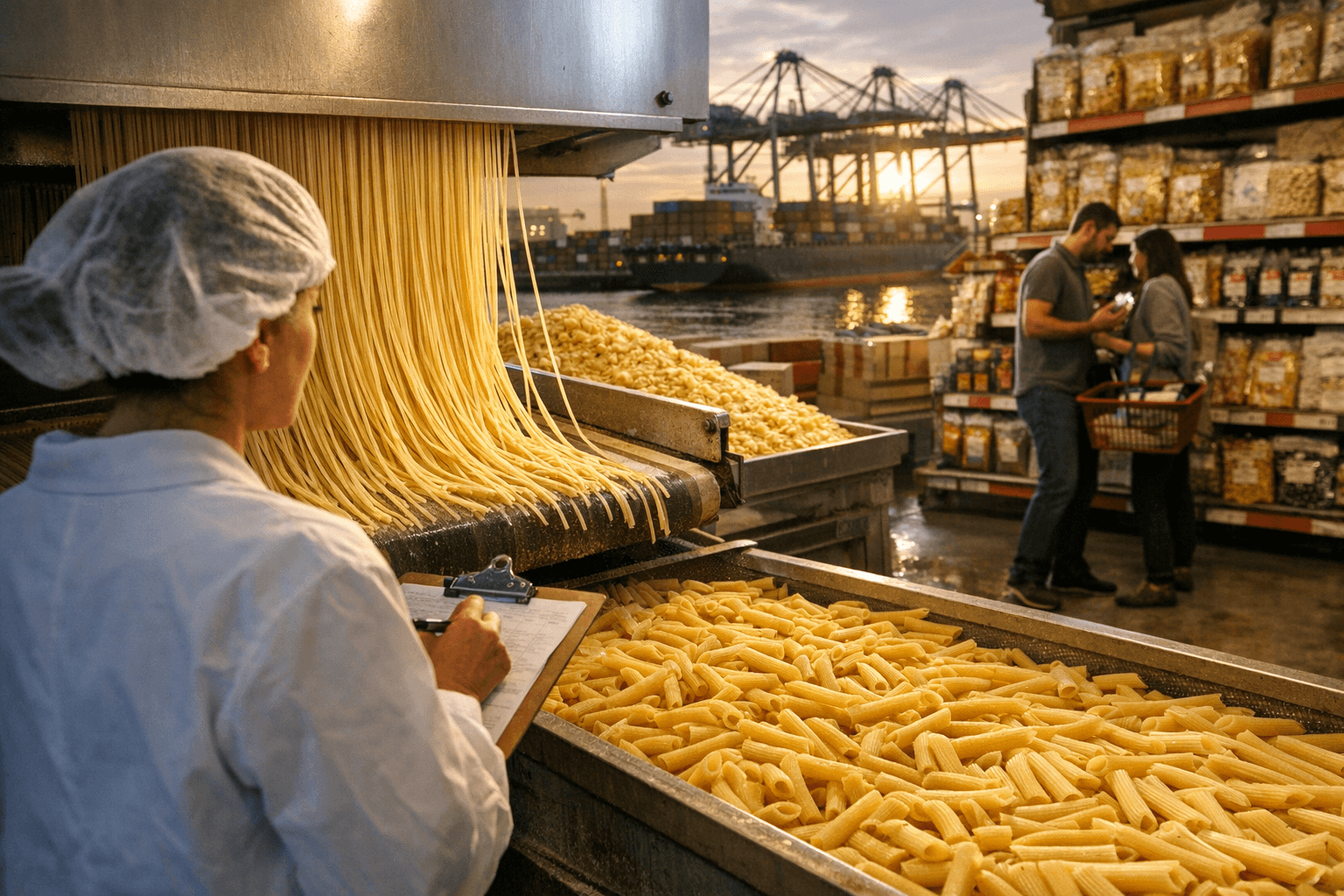
The projection also flags strategic implications for supply chains and ingredient sourcing. Fortified and specialty formulations require different inputs and processing steps compared with commodity semolina-based dried pasta. That creates sourcing, packaging and regulatory considerations for manufacturers scaling new SKUs. E-commerce growth adds a logistics layer: fulfillment, shelf-life management and packaging optimized for shipping become competitive levers.
For the pasta community, the takeaway is practical: invest where demand is growing. If you run a brand, test premium and fortified SKUs and strengthen online channels. If you stock shelves, think health-forward placement and ready-to-eat cross-merchandising. If you make pasta locally, consider partnerships that move your product into digital marketplaces or meal-kit bundles.
Growth is steady rather than explosive, but it carries a clear direction: convenience, nutrition and digital distribution. Expect innovation to keep the market lively and watch product launches and retail experiments that respond to those trends, there's plenty of sauce to go around for makers and sellers who want a share.
This article was produced by Prism’s automated news system from verified source data, official records, and press releases, then run through automated quality and moderation checks before publishing. The system is built and supervised by the people who set the standards it runs under. Read our full AI policy.
Did this article answer your question?