Global Uncooked Pasta Market Projected to Grow to 49 Million Tons by 2035
An updated market analysis released Jan 1, 2026 showed global uncooked pasta consumption reached about 43 million tons in 2024, with an estimated market value of $59.1 billion, and is forecast to climb to roughly 49 million tons by 2035. The numbers highlight shifting demand in China, Mexico and the United States, Italy’s continued export dominance, and a clear price premium for egg pasta that matters for makers, retailers and suppliers.
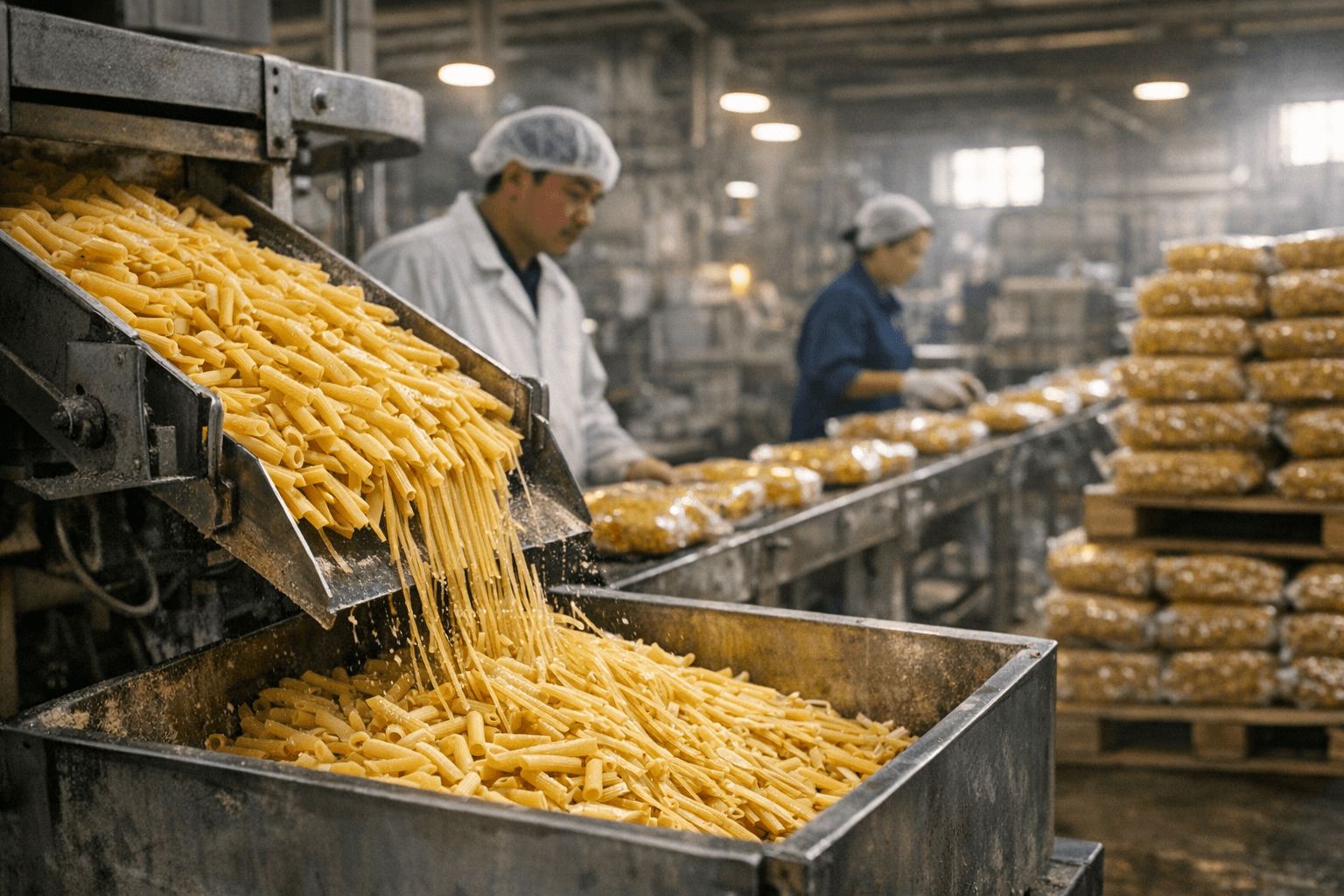
An updated market analysis released Jan 1, 2026 presented a clear picture of steady, long-term expansion in the uncooked pasta market. Global consumption reached about 43 million tons in 2024, valuing the market at roughly $59.1 billion. Forecasts extend to 2035 with volume rising to around 49 million tons and value increasing to approximately $72.4 billion, representing a compound annual growth rate of about +1.1% in volume and +1.9% in value.
Major consuming markets stand out. China led global consumption at approximately 5.9 million tons in 2024, followed by Mexico at about 3.4 million tons and the United States at roughly 3.2 million tons. Production and import levels both peaked in 2024 and are expected to continue moderate, steady growth as international demand remains stable.
Italy remains a central player on the supply side, accounting for about 39% of global exports, or roughly 2.2 million tons. Per-capita consumption is highest in Italy at about 34 kilograms per person, underscoring strong domestic demand alongside export strength.
Trade flows are dominated by non-egg pasta, which made up about 93% of traded volume. Pasta containing eggs commands a significant price premium on the global market, with an average import price noted around $2,251 per ton compared with about $1,368 per ton for non-egg pasta. Price differentials and segment-level trends were accompanied by country-level import and export tables and historical growth calculations spanning 2013–2024, supporting the forecasted trajectory.
Practical implications are direct for makers, sellers and hobby cooks. Expect steady demand rather than rapid spikes; factor the egg-pasta premium into pricing for artisanal or specialty lines; and monitor supply chains in Italy given its export footprint. If you sell pasta, consider testing premium egg-based SKUs in markets with rising per-capita consumption. If you source ingredients or finished product, review price assumptions in light of the projected value growth and the persistent gap between egg and non-egg pasta prices.
Long-term expansion is driven by stable global demand and shifting consumption patterns in major markets. For anyone involved in making, selling or enjoying pasta, the next decade looks like a period of steady growth with opportunities in premium and niche segments.
This article was produced by Prism’s automated news system from verified source data, official records, and press releases, then run through automated quality and moderation checks before publishing. The system is built and supervised by the people who set the standards it runs under. Read our full AI policy.
Did this article answer your question?