High-Protein, Gluten-Free Bean Pasta Market to Reach $6.5B by 2031
Bean pasta sales are set to nearly double to $6.49B by 2031, signaling mainstream adoption of gluten-free, protein-rich legume noodles.
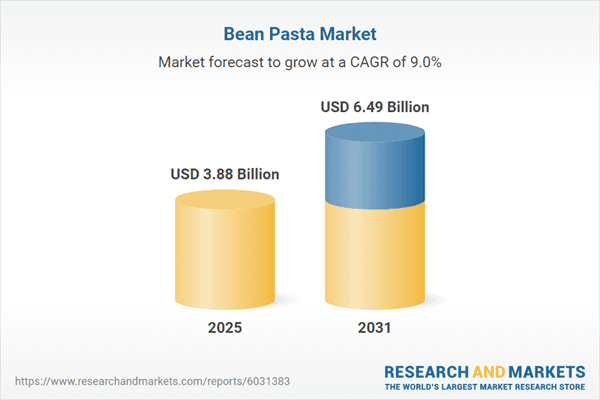
A market analysis projects the global bean pasta market will rise from an estimated USD 3.88 billion in 2025 to USD 6.49 billion by 2031, growing at a compound annual growth rate of about 8.95%. That jump reflects both rising celiac diagnoses and the broader shift toward plant-based diets, putting legume-based noodles squarely in supermarket sightlines and home pantries.
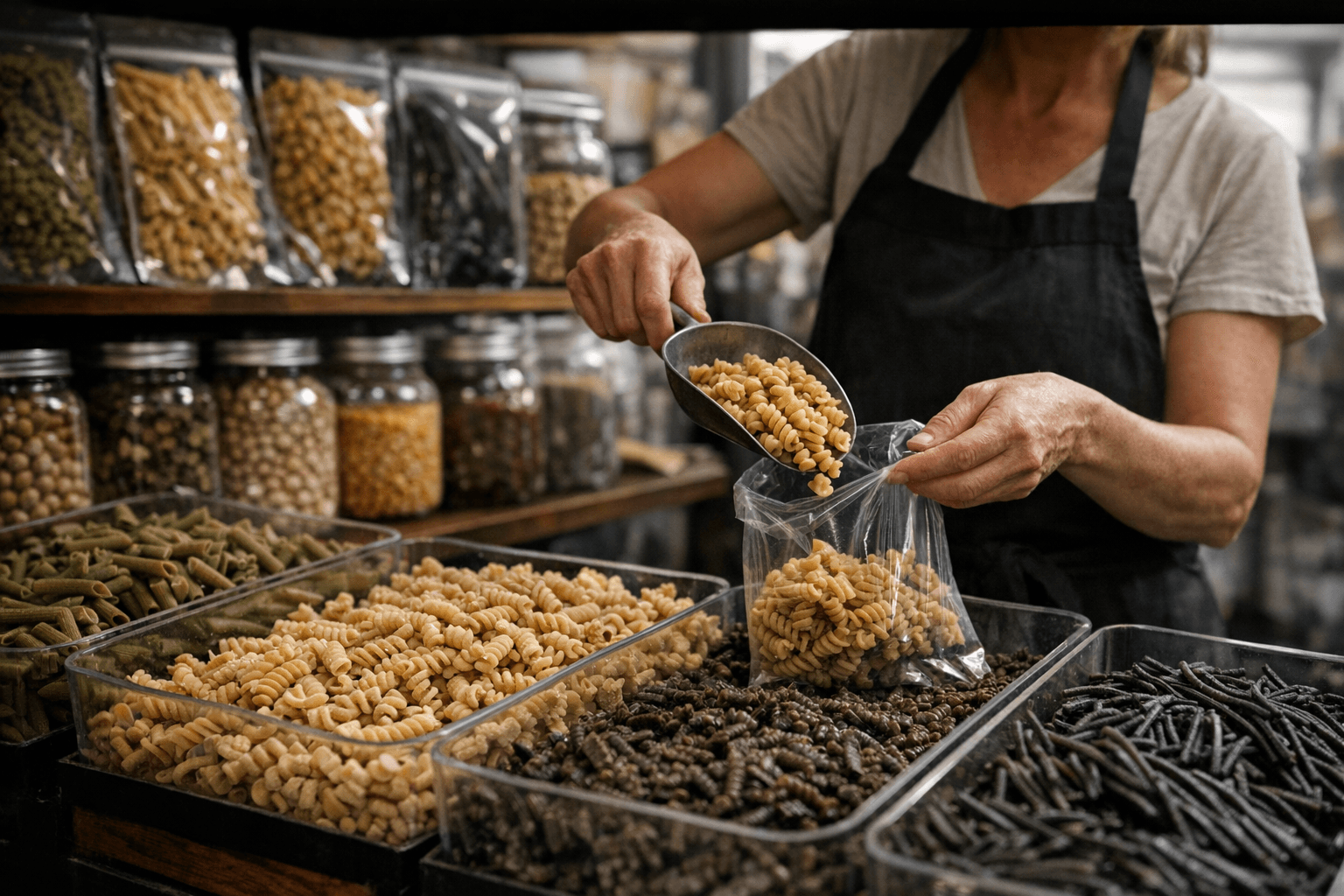
Bean pasta refers to legume-based pasta made from chickpea, lentil, black bean, mung bean, soy and other beans. Manufacturers and retailers are expanding offerings across familiar shapes - spaghetti, penne, fusilli, fettuccine, shells - and across channels, with hypermarket and supermarket distribution increasing alongside online sales. North America and Europe currently lead placement, with Asia-Pacific, South America and the Middle East and Africa also named as growth regions in the forecast period of 2025-2031.
Key industry names are already visible on shelves. Banza LLC, Barilla, Trader Joe’s private-label entries, and Explore Cuisine are among the players noted for headline activity and product expansion. Retailers are moving private-label legume pastas out of specialty aisles and into mainstream pasta bays, while independent brands continue product innovation to compete on price and taste.
Taste and texture remain the industry’s primary hurdle. Sensory acceptance differences versus semolina pasta can limit mainstream repeat purchases, prompting food scientists to refine formulations. Clean-label single-ingredient formulations are a rising trend; manufacturers are experimenting with processing, blending, and ingredient lists to improve mouthfeel while keeping ingredient panels simple. Private-label expansion and improved distribution are also shifting perceptions: wide availability means more consumers will try bean pasta, and repeat trials will hinge on how closely the product matches expectations for texture, cooking behavior and sauce compatibility.
For home cooks, the immediate practical value is expanded choice: expect more high-protein, gluten-free options across formats and price points at both supermarkets and online grocers. Try different bean bases to find the best match for your recipes; chickpea and lentil pastas often behave differently in sauces than black bean or mung bean varieties. For small-scale producers and local retailers, the forecast signals a window for product development and shelf trials as consumer demand climbs.
The full market analysis runs about 180 pages and covers segmentation by bean source, pasta type, channel and region, offering deeper detail for product developers and buyers. For readers, the takeaway is clear: bean pasta is moving from niche to mainstream, and the next few years will test whether improved formulations and broader retail placement can turn first-timers into regulars.
Know something we missed? Have a correction or additional information?
Submit a Tip