Home Cooks Embrace Pasta Cooked Directly in Sauce for Richer Flavor
Cooking pasta directly in its sauce is winning over home cooks with deeper flavor and a silkier finish that boiling water simply can't match.
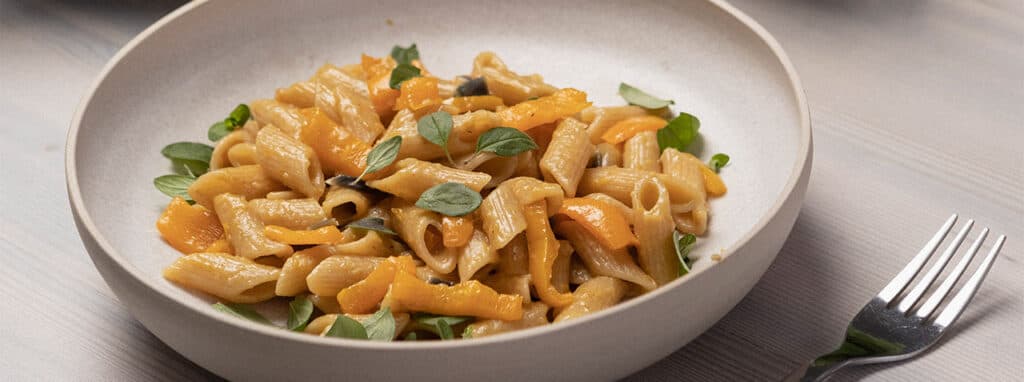
There's a quiet revolution happening on home stovetops, and it starts with skipping the pot of boiling water entirely. The technique known as pasta cooked in the sauce, or *pasta risottata* in certain Italian culinary traditions, has been gaining serious momentum among everyday cooks who want more from their weeknight dinners. Rather than boiling pasta separately and combining it with sauce at the end, this method involves cooking the pasta directly in the sauce itself, allowing the noodles to absorb flavor from the very first minute they hit the heat.
What is pasta risottata?
The name *pasta risottata* comes from the same idea behind risotto: instead of draining away starchy cooking liquid, you let the pasta drink it all in. The technique borrows the logic of the risotto method and applies it to pasta, adding ladlefuls of liquid gradually and letting the pasta cook low and slow in a seasoned sauce rather than plain salted water. The result is a dish where the pasta and sauce are genuinely unified, not just combined at the last moment. Every strand or tube carries the sauce inside and out, producing a depth of flavor that conventional boil-and-toss cooking rarely achieves.
This approach isn't entirely new to Italian kitchens. Regional traditions, particularly in southern Italy, have long included preparations where pasta finishes cooking in a sauce or broth rather than being added to it after the fact. What's changed is the audience: home cooks outside Italy are now discovering these techniques through food media, social platforms, and a growing interest in process-driven cooking that goes beyond following a box of dried spaghetti.
Why the method is spreading
The appeal is easy to understand once you try it. When pasta cooks in sauce, the starch released from the noodles thickens the liquid naturally, creating a glossy, clingy coating that no amount of pasta water whisked into a separate sauce can fully replicate. The sauce becomes richer and more integrated without adding cream or extra fat. For cooks who have ever felt that their pasta and sauce seem to be two separate things sitting on the same plate, this technique is a direct answer to that problem.
There's also a practical side that resonates with home cooks managing weeknight meals. Cooking everything in one pan reduces washing up, and the method encourages a more attentive, hands-on style of cooking that many people find satisfying. Watching a sauce reduce and a pasta absorb it in real time gives a clearer sense of what's actually happening in the pan, which builds confidence and intuition in the kitchen.
How to approach the technique
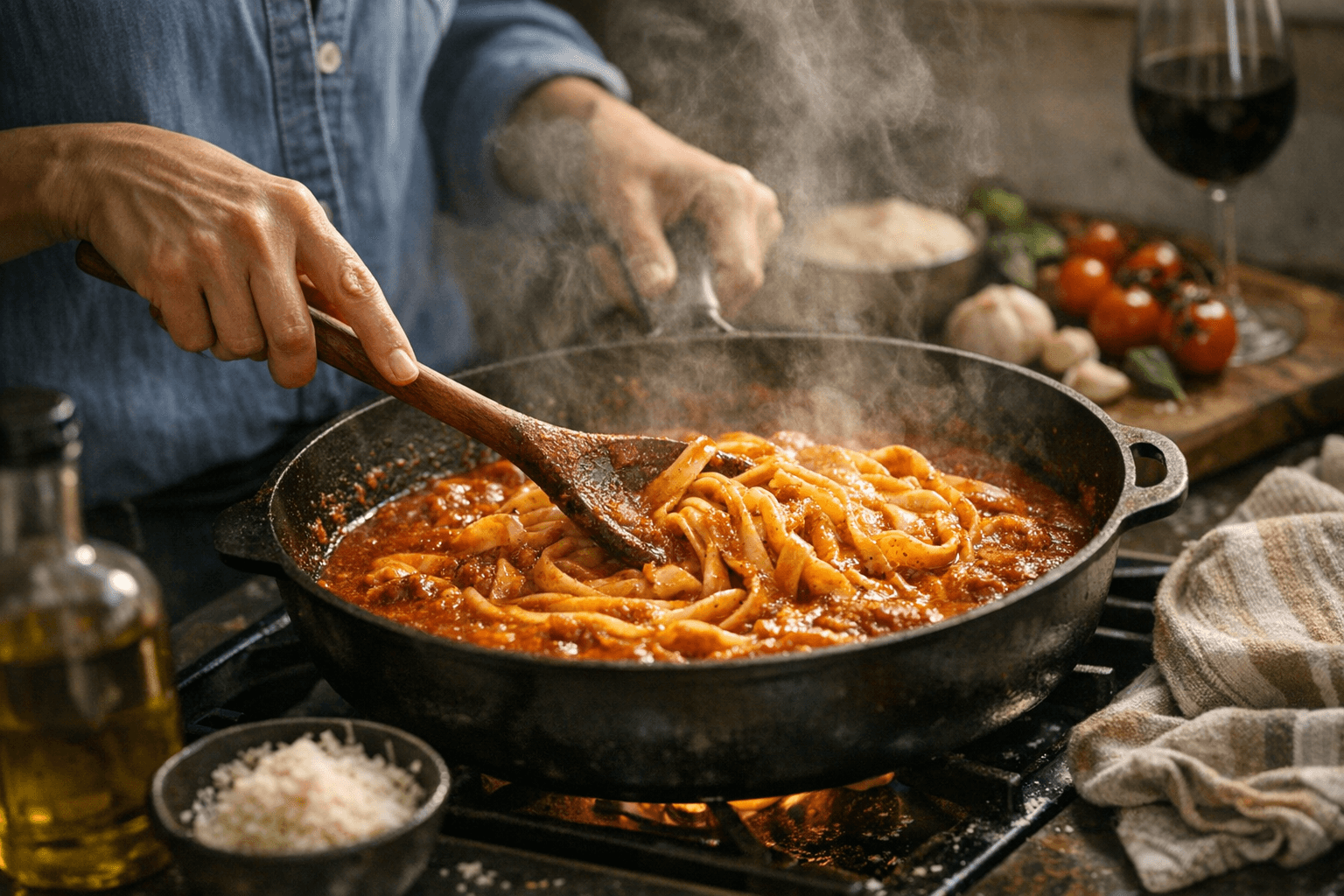
The core principle is straightforward, though it does ask for more attention than dropping pasta into boiling water and walking away. Begin with a sauce base, whether that's a simple tomato, a soffritto-built ragu, a broth-enriched vegetable sauce, or even a light butter and wine preparation. The pasta goes in dry or lightly pre-soaked, and liquid is added incrementally, similar to making risotto, keeping enough moisture in the pan at all times that the pasta is cooking rather than scorching.
A few practical points worth keeping in mind:
- Short pasta shapes like rigatoni, mezze maniche, or paccheri tend to work especially well because they hold sauce inside as well as out.
- The pan you use matters: a wide, shallow pan allows liquid to reduce evenly and gives you room to stir without breaking the pasta.
- Stock or broth adds more complexity than plain water if you want to amplify the savory quality of the finished dish.
- Keep the heat moderate and stay close; this method rewards attention and punishes neglect more than boiling does.
- Finishing with a small amount of fat, such as olive oil, butter, or finely grated hard cheese, helps emulsify the sauce and adds a final layer of richness.
The timing will vary depending on pasta shape and the density of your sauce, so tasting frequently is more useful than relying on a fixed clock.
Getting the liquid balance right
The most common challenge home cooks encounter is misjudging how much liquid the pasta needs. Too little and the pasta scorches before it's cooked through; too much and you end up with a soup rather than a sauce. The key is to add liquid in stages, starting with enough to just cover the pasta and then adding more in small amounts as it absorbs. By the time the pasta reaches the right texture, the sauce should be thick enough to coat it without pooling at the bottom of the pan.
Tomato-based sauces are a natural starting point for the technique because their acidity and water content behave predictably. Broth-based preparations are also forgiving. Cream-heavy sauces require more care since dairy can break or scorch at higher temperatures, but with moderate heat they can work beautifully, producing a result far more silky than adding cream to separately cooked pasta would achieve.
Why it matters for flavor
The science behind the technique is straightforward. Pasta is primarily starch, and as that starch cooks, it releases into the surrounding liquid. In a pot of boiling water, most of that starch goes down the drain with the cooking water. When pasta cooks in sauce, that starch stays in the pan and works in your favor, binding the sauce to the noodles and giving the whole dish a cohesion and body that you can taste and feel. The pasta doesn't just carry the sauce; it becomes part of it.
This is why restaurant pasta often tastes different from the same dish made at home, even when the ingredients are identical. Professional kitchens frequently finish pasta in the sauce pan rather than plating directly from the colander, using residual pasta water and direct heat to marry the two components. The *pasta risottata* approach takes that finishing step and makes it the entire cooking method, pushing the integration even further.
For home cooks who have been chasing that elusive restaurant-quality result, cooking pasta directly in the sauce isn't a shortcut or a gimmick. It's a fundamental shift in how you think about the relationship between the pasta and what surrounds it, and the difference lands clearly in the bowl.
Know something we missed? Have a correction or additional information?
Submit a Tip