How to choose pasta - shapes, flour, die-cutting and storage tips
Learn when to use fresh versus dried pasta, how flour and die-cut affect texture and sauce cling, and practical storage, freezing, and cooking rules.
1. Fresh pasta versus dried pasta
Fresh pasta shines for delicate fillings (ravioli, tortellini) and dishes that cook quickly because its higher moisture and tender crumb need only a minute or two in boiling water. Dried pasta, made from durum semolina and low moisture, is the workhorse for sturdy sauces and long storage; it takes longer to cook but keeps its bite and is ideal for ragù or baked dishes. Treat fresh pasta as perishable produce, plan to cook it within a day or two unless you freeze it (see item 7).
2. Why flour choice matters: semolina and 00
Semolina (durum wheat) brings a firm, slightly gritty bite and golden color that stands up to robust sauces and long cooking; it’s the classic for dried extruded shapes like penne and shells. 00 flour is ultra-fine and low-protein, delivering a silky, pillowy texture that makes it the favorite for rolled fresh sheets and delicate shapes; it yields silkier mouthfeel but a softer bite under heat. Choose semolina for resilience and contrast with chunky sauces, 00 for tenderness and finesse in quick, delicate preparations.
3. Die-cutting: bronze versus Teflon and texture
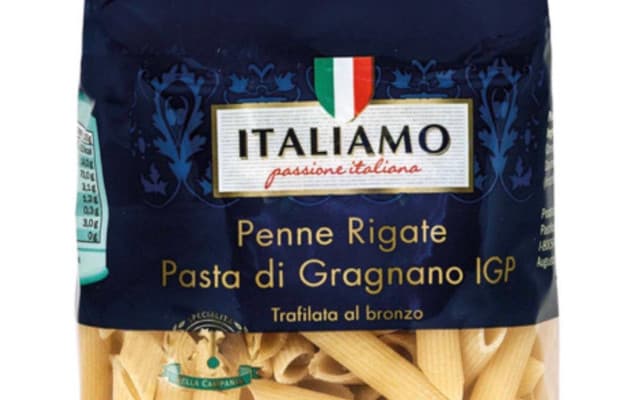
Bronze-die extrusion produces a rough, porous surface that clings to sauce, think rustic, old-world strands with sauce that grips every ridge. Teflon (or nonstick) dies make smoother, shinier pasta that slides past sauce more easily and looks glossy on the plate; it’s often used for mass-market dried pasta. If you want maximum sauce adhesion and a handcrafted feel, reach for bronze-cut pasta; if slick presentation or very light oil-based dressings are your aim, Teflon-cut is fine.
4. Matching shapes to sauces: rules of thumb
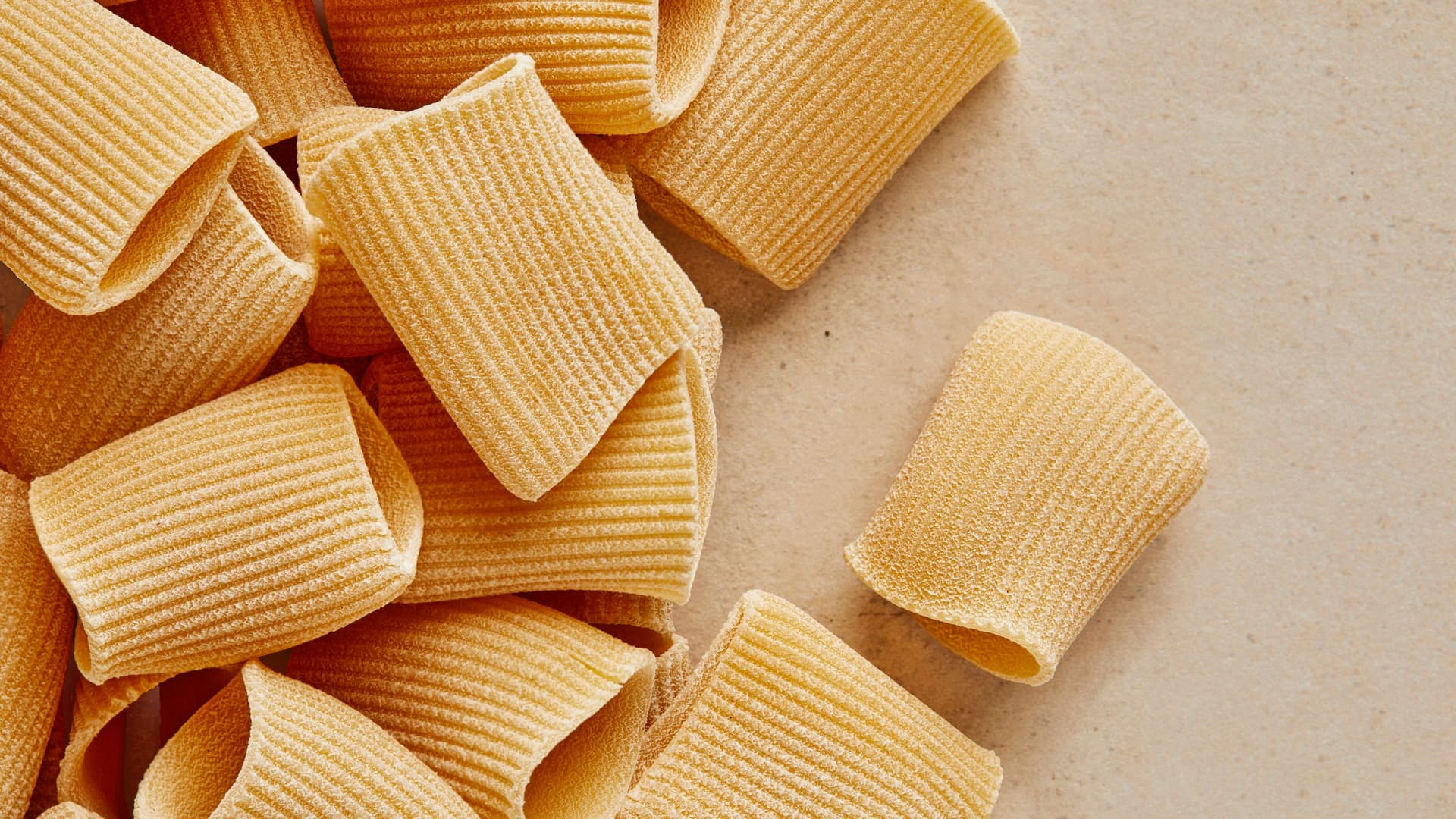
Long, thin shapes (spaghetti, linguine) suit oil- or butter-based emulsions and lighter seafood sauces because they twirl and evenly distribute the emulsion across each strand. Ridged or tubular shapes (rigatoni, penne rigate, fusilli) are built for chunky ragùs and meaty sauces because their hollows and grooves trap bits of meat and vegetables. Small shapes (ditalini, orzo) belong in brothy soups and salads where bite-sized pieces mingle with other ingredients rather than monopolize the mouthfeel.
5. Emulsions versus chunky ragùs: pairing specifics
For emulsion sauces (carbonara, cacio e pepe, aglio e olio), pick smooth, long pastas that let you mantecate (finish the sauce by mixing pasta and water in the pan) and create a glossy coating. For chunky ragùs, choose robust tubes and ridged shapes that capture the meat, vegetables, and sauce in every bite. Emulsions need pasta that releases a little starch and lets you use reserved cooking water to bind; chunky sauces need structural shapes that hold volume without collapsing.
6. Handling and general cooking techniques
Salt the cooking water generously, think sea water level, so the pasta itself is seasoned from the inside out; add salt after the water boils. Save at least 1/2 to 1 cup of the starchy cooking water before draining; it’s the secret glue for emulsifying sauces and rehabbing a dry pan. Finish pasta in the sauce for 1–2 minutes to marry flavors and texture, this step is where good pasta becomes memorable, and it works for both dried and fresh but takes less time for fresh.

7. How long fresh pasta keeps and refrigeration tips
Fresh refrigerated pasta lasts about 24–48 hours when wrapped or in a sealed container and stored on a tray to avoid sticking; beyond that its quality degrades and it risks spoilage. Keep portions loosely floured and separated, stacking sheets tightly invites sticking and uneven cooling. For daily makers in the community, label containers with the date so shared kitchens don’t end up with mystery nests.
8. Freezing best practices for quality and convenience
Flash-freeze individual portions on a tray until solid, then transfer to airtight, freezer-safe bags or containers to prevent drying and freezer burn; this keeps fresh pasta quality for 1–2 months. Cook frozen pasta directly from the freezer, adding a minute or two to the cooking time, and finish in the sauce, no thawing required. For filled pastas, freeze them on a tray until firm and then bag, because the filling benefits from quick set-up and retains shape better.
- Use bronze-cut pasta when selling or sharing with friends who value rustic texture; the rough surface shows you cared.
- If you hand-roll for events, portion and freeze excess to scale up quickly on event day.
- Keep a dedicated flour (semolina vs 00) jar labeled for each machine or table to avoid cross-contamination and inconsistent dough behavior.
9. Practical tips for community cooks and small producers
10. Actionable rules of thumb and diagnosis
If your sauce slips off the noodle, try a bronze-cut or a ridged shape next time, or finish the pasta in the pan with reserved water; if the pasta collapses into the sauce, switch to semolina or a thicker shape. Fresh = delicate, fast, tender; dried semolina = sturdy, shelf-stable, toothy. When in doubt, match body to body: light sauce with light pasta, heavy sauce with heavy pasta.
Our two cents? Treat pasta choices like matchmaking, shape, flour, and die dictate chemistry with your sauce. Pick with intention, label and freeze smartly, and finish in the pan; do that, and you’ll turn good bowls into brag-worthy plates every time.
Know something we missed? Have a correction or additional information?
Submit a Tip