Italian Chefs Warn That Oil in Pasta Water Ruins Sauce Adhesion
Oil in pasta water floats on top doing nothing, then coats each noodle so sauce slides right off. Chef Vincenzo's one-minute fix needs no oil at all.

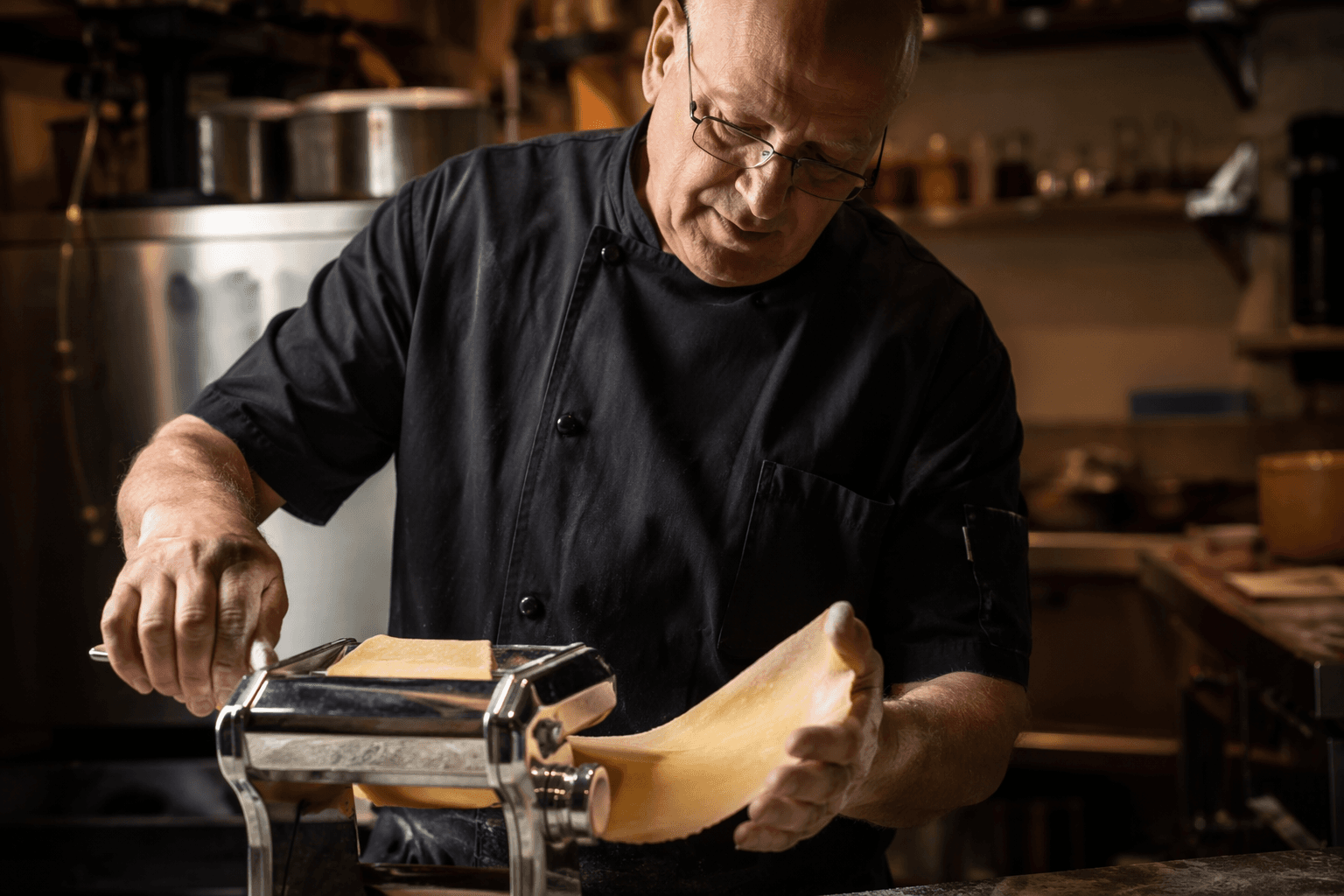
Chef Vincenzo, the Italian cooking personality behind Vincenzo's Plate, has a standing challenge for anyone who still pours olive oil into their pasta pot: cook two batches side by side, sauce both, and tilt the bowl. The batch cooked in oil-laced water will show sauce sliding off the noodles. The plain batch won't.
The oil-in-pasta-water habit survives not because it works, but because nobody questions it. Maybe a Nonna did it once. A TV chef demonstrated it on camera and it became "the rule." The logic seems sound: oil coats things, noodles stick together, therefore oil prevents sticking. What that logic skips is the part where oil and water don't mix. Physics sends the oil floating in pools on the surface of the pot, never touching the pasta until after it drains. At that point it coats every noodle in a thin, slippery layer, and that layer is precisely what stops sauce from gripping.
The actual causes of sticking are starch buildup and timing. When pasta first hits boiling water, surface starch begins hydrating and noodles can bond to each other. Stir within the first minute and you interrupt that process before it sets. After that first minute, the risk drops sharply. Water volume matters for the same reason: more water dilutes the starch that accumulates in the pot, which is what makes noodles glue together in the first place. A big pot is not optional. Pasta needs room to move, which is why Chef Vincenzo describes it as needing a dance floor, not a crowded elevator.
Salt is the fourth variable, and it does something oil never could. At least one big tablespoon of sea salt or rock salt per pot seasons pasta from the inside out during cooking. No amount of sauce applied after the fact fully compensates for under-salted water.
The EVOO belongs at the other end of the meal: drizzled over the finished bowl, served alongside crusty bread. Adding it to the pot is, as Allrecipes puts it, "a waste of your precious (and often pricey) ingredient." Chef Vincenzo is clear about the philosophy behind this. "Cooking pasta the Italian way isn't just about technique, it's about love, care, and respect for the ingredients and tradition," he has said.
For the friend who still reaches for the bottle at the stove, here is the card worth forwarding. Start with a large pot. Use plenty of water. Salt generously with at least a tablespoon of sea salt or rock salt. Drop the pasta in and stir immediately; don't walk away in that first minute. Sauce the noodles as soon as they drain, while they're still hot and slightly starchy on the surface. That starch is the adhesive that holds the sauce to the pasta. Oil is not. It never was.
This article was produced by Prism’s automated news system from verified source data, official records, and press releases, then run through automated quality and moderation checks before publishing. The system is built and supervised by the people who set the standards it runs under. Read our full AI policy.
Did this article answer your question?