Italian cooking basics include ragù, garlic oil, fresh pasta and gnocchi
Ragù, garlic oil, fresh pasta and gnocchi are the real homework here. The smartest Italian-cooking basics are the ones that teach repeatable pasta skills, not just recipe names.
The real lesson is technique, not a checklist
The quickest route to better pasta at home is not collecting more recipes. It is learning the few Italian fundamentals that keep showing up in different forms: how to build a sauce, how to season with confidence, and how to work dough without treating it like a mystery.
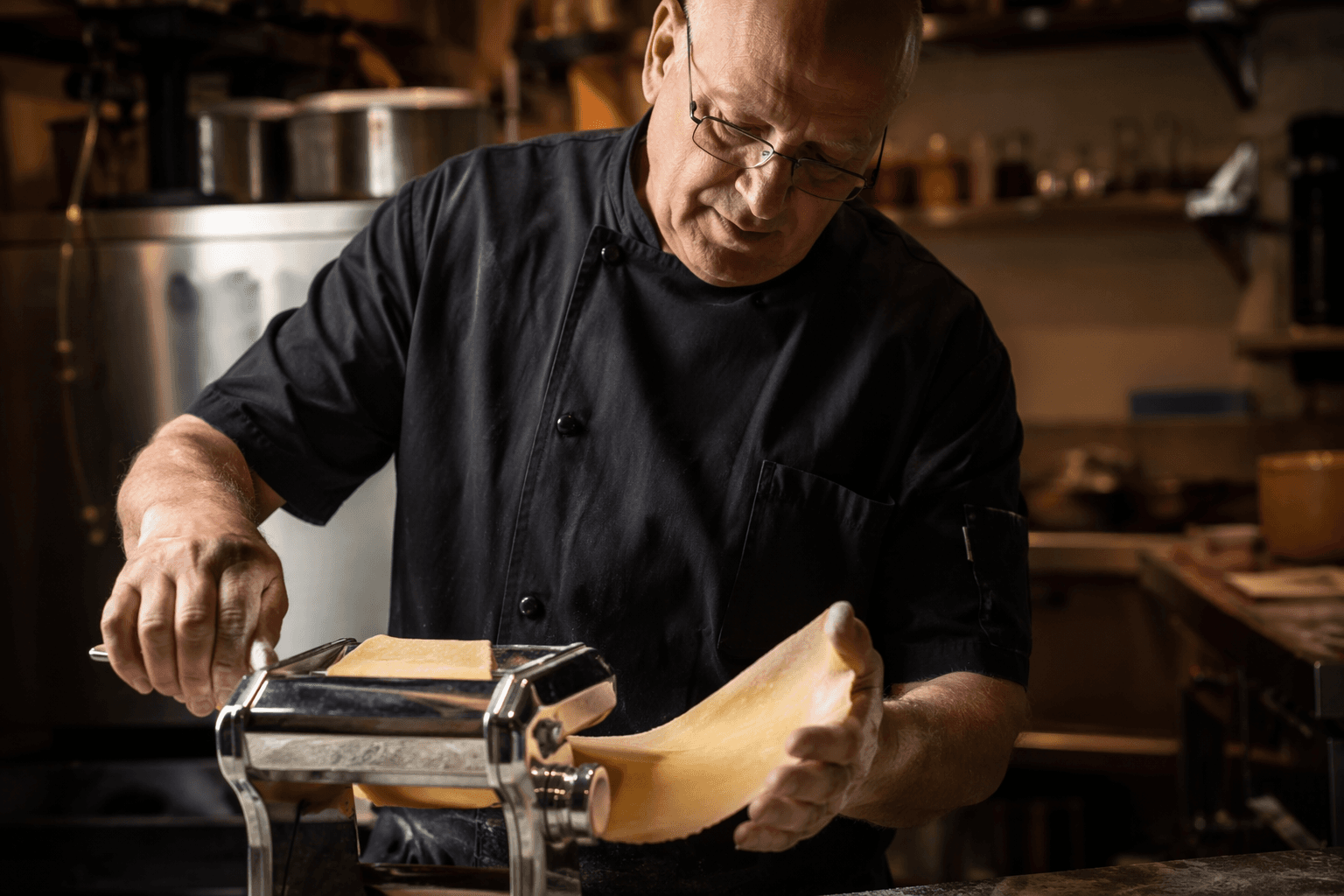
That is the useful frame behind Alexandra Foster’s conversation with Glenn Rolnick, chef at Carmine’s and director of culinary operations at Alicart Restaurant Group. The pieces he highlights, Italian meatballs, ragù sauce, garlic and oil, fresh potato gnocchi or fresh pasta, and breading for chicken cutlets, are not meant as a ranking of classics. They form a skills ladder, and for pasta cooks, the most valuable rungs are the sauces and the dough.
Ragù is the anchor skill
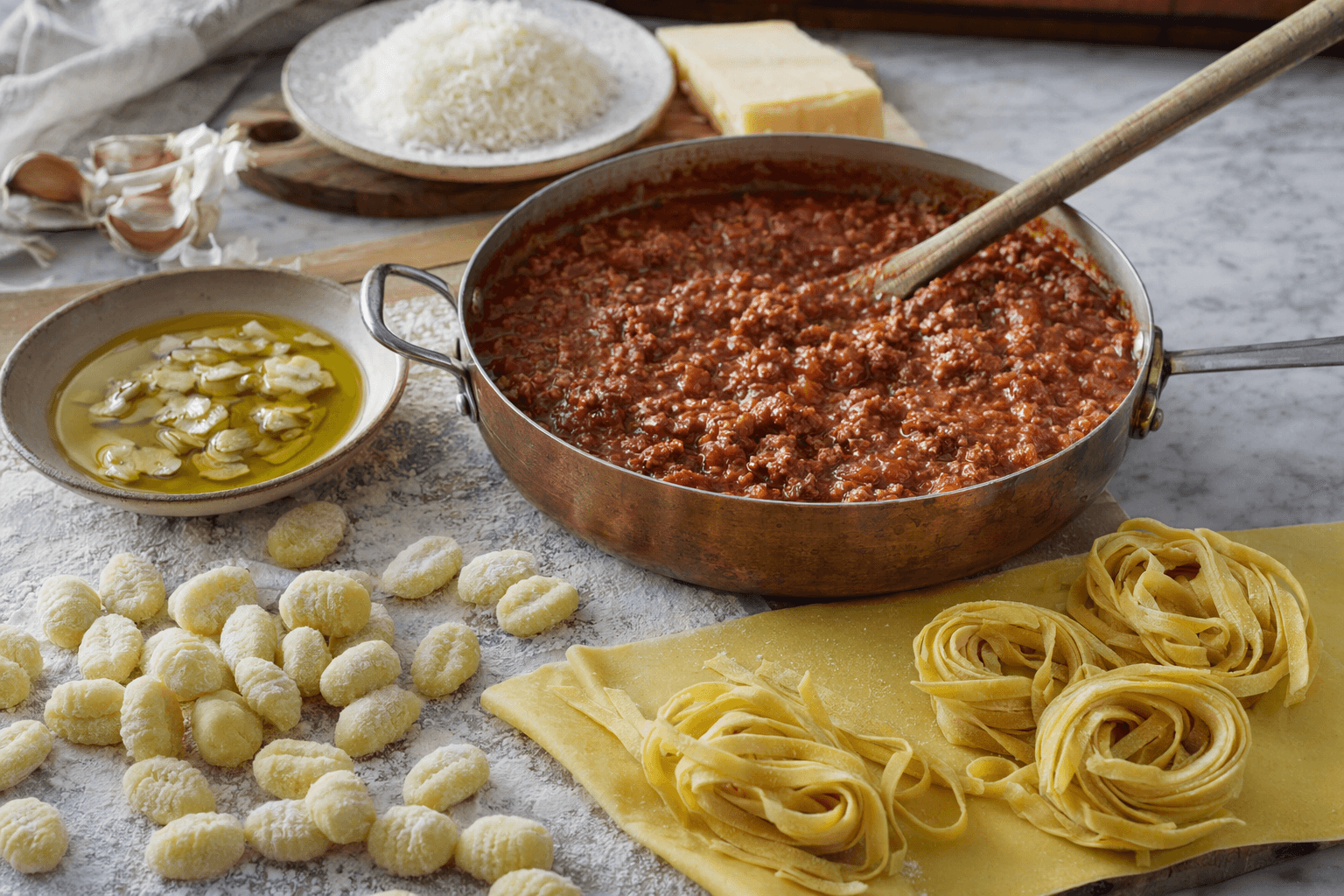
If you want one Italian sauce that teaches the most, start with ragù. Rolnick’s guidance points to fresh garlic, good tomatoes, basil and cheese, which tells you something important about the dish: it is built from dependable ingredients handled well, not from complicated technique for its own sake.
That focus also lines up with the dish’s regional roots. Bologna is the traditional home of ragù alla bolognese, and the official recipe was deposited by the Bologna delegation of the Italian Academy of Cuisine at the Bologna Chamber of Commerce on October 17, 1982, then updated again on April 20, 2023. Bologna Welcome identifies tagliatelle al ragù as a very typical local dish, and Britannica describes Bolognese sauce as a tomato-based meat sauce tied to Bologna in Emilia-Romagna. In other words, the classic pairing is not just “red sauce with pasta.” It is a specific pasta-sauce relationship, and that distinction matters if you want to cook with more precision.
For pasta practice, ragù teaches several transferable habits at once:
- how to build depth before the pasta ever hits the pot
- how to balance acidity from tomatoes with richness from meat and cheese
- how to choose pasta shapes that hold sauce instead of fighting it
That makes ragù the most important home-cooking lesson in the set. Once you understand it, a weeknight bowl of pasta feels less like improvisation and more like a repeatable craft.
Garlic and oil is not a fallback, it is a foundation
The other big takeaway for pasta people is garlic and oil. Rolnick treats simple oil-based sauces as a legitimate and flavorful path for pasta, and that is the kind of advice that changes the way a home cook works. Too many kitchens treat a bare-bones aglio e olio style dish as a placeholder, when it is really a test of timing, heat control and seasoning.
That matters because oil-based pasta is where small details have the biggest payoff. Fresh garlic has to be handled carefully. The oil has to carry flavor, not just slick the noodles. And because the sauce is so spare, the pasta itself becomes the star, which forces better attention to salt, texture and finish.
For a Pasta reader, this is one of the most transferable skills in the whole article. A confident garlic-and-oil base can become dinner on its own, but it also teaches the discipline you need for nearly every other sauce style. Once you can make a simple oil sauce taste complete, richer pasta dishes get easier, not harder.
Fresh pasta and gnocchi turn dough into a practical next step
Rolnick’s inclusion of fresh potato gnocchi and fresh pasta is the part that should make home cooks sit up. These are not presented as intimidating specialties. They are framed as approachable projects, and that is exactly the right message for anyone trying to move from boxed pasta to handmade.
Gnocchi in particular is a smart gateway. Britannica identifies gnocchi as potato dumplings of northeastern Italian origin, commonly served like pasta with tomato or pesto sauce. The key word there is “dumplings,” because gnocchi lets you practice shaping and portioning without needing to master the full stretch-and-fold rhythm of fresh pasta right away. The dough can be rolled and cut with relative ease, which makes it a useful stepping-stone when the idea of making noodles from scratch still feels a little daunting.
Fresh pasta builds the same confidence from a different angle. It teaches you how flour, eggs and resting time change texture, and it gives you a direct line from dough to finished plate. If ragù is about sauce structure, fresh pasta is about control of form. Put them together and you start learning how Italian home cooking actually works: one part sauce, one part dough, one part judgment.
Why meatballs and cutlets still belong in the picture
Italian meatballs and breading for chicken cutlets are part of the broader lesson, even if they are not the main pasta skills. They show how Italian-American home cooking often moves across the table, from sauce to protein to breading, and they remind you that pasta night sits inside a wider family-style rhythm.
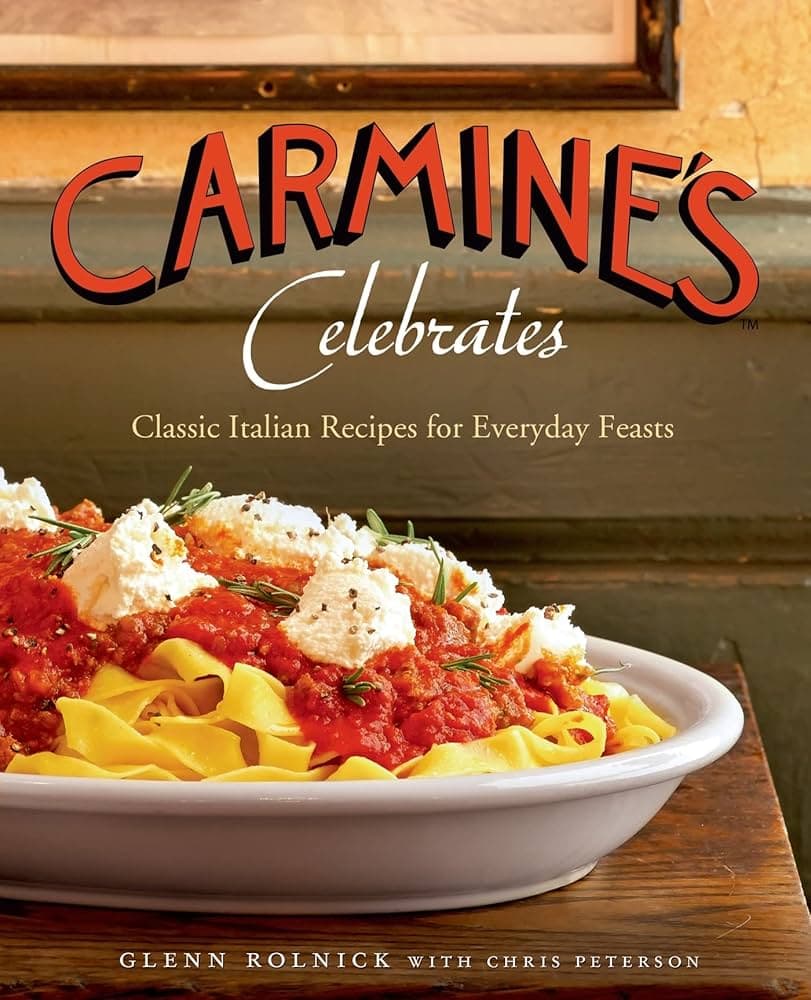
That wider context fits Carmine’s history too. The first Carmine’s location opened on August 14, 1990, at 2450 Broadway on Manhattan’s Upper West Side, and the brand is known for family-style platters of homestyle antipasto, pasta, seafood, meat entrees and desserts meant for sharing. Rolnick’s own background gives the advice extra weight: he has worked for Alicart Restaurant Group for more than a decade, graduated from the Culinary Institute of America, and cooked at The Algonquin Hotel and The Carlyle Hotel in New York City. This is someone whose day job has long centered on classic comfort food, not a trend-driven take on Italian cooking.
Why this guide lands now
The timing makes sense because the appetite for restaurant-style food is still huge, even as home cooking remains a durable habit. Industry projections put U.S. restaurant spending at about $1.5 trillion in 2025, and the National Restaurant Association projected around 15.9 million restaurant workers that year. That backdrop explains the appeal of a guide like this: people still love eating out, but they also want a realistic path to cooking the dishes that feel most worth mastering at home.
That is why this story is more valuable than a generic list of Italian favorites. It shows that pasta confidence comes from a sequence, not a shortcut. Start with garlic oil, build into ragù, then move into fresh pasta or gnocchi when you want to work with dough. Once those pieces are in place, the rest of Italian cooking starts to look less like a restaurant secret and more like a set of skills you can actually repeat.
This article was produced by Prism’s automated news system from verified source data, official records, and press releases, then run through automated quality and moderation checks before publishing. The system is built and supervised by the people who set the standards it runs under. Read our full AI policy.
Did this article answer your question?