Italian pasta makers shift production to the U.S. amid tariffs
Barilla’s $170 million Avon expansion and Il Pastaio’s Pennsylvania plant show how tariff pressure is pulling Italian pasta production onto U.S. soil.

Italian pasta is not just crossing the Atlantic anymore, it is starting to set up shop on the American side of it. Barilla is expanding its Avon, New York, plant in a nearly $170 million, two-phase project expected to add more than 90 jobs, while Il Pastaio is building its first North American manufacturing facility in Union County, Pennsylvania, a move tied directly to the tariff squeeze that has made imported boxes harder to sell at the old price.
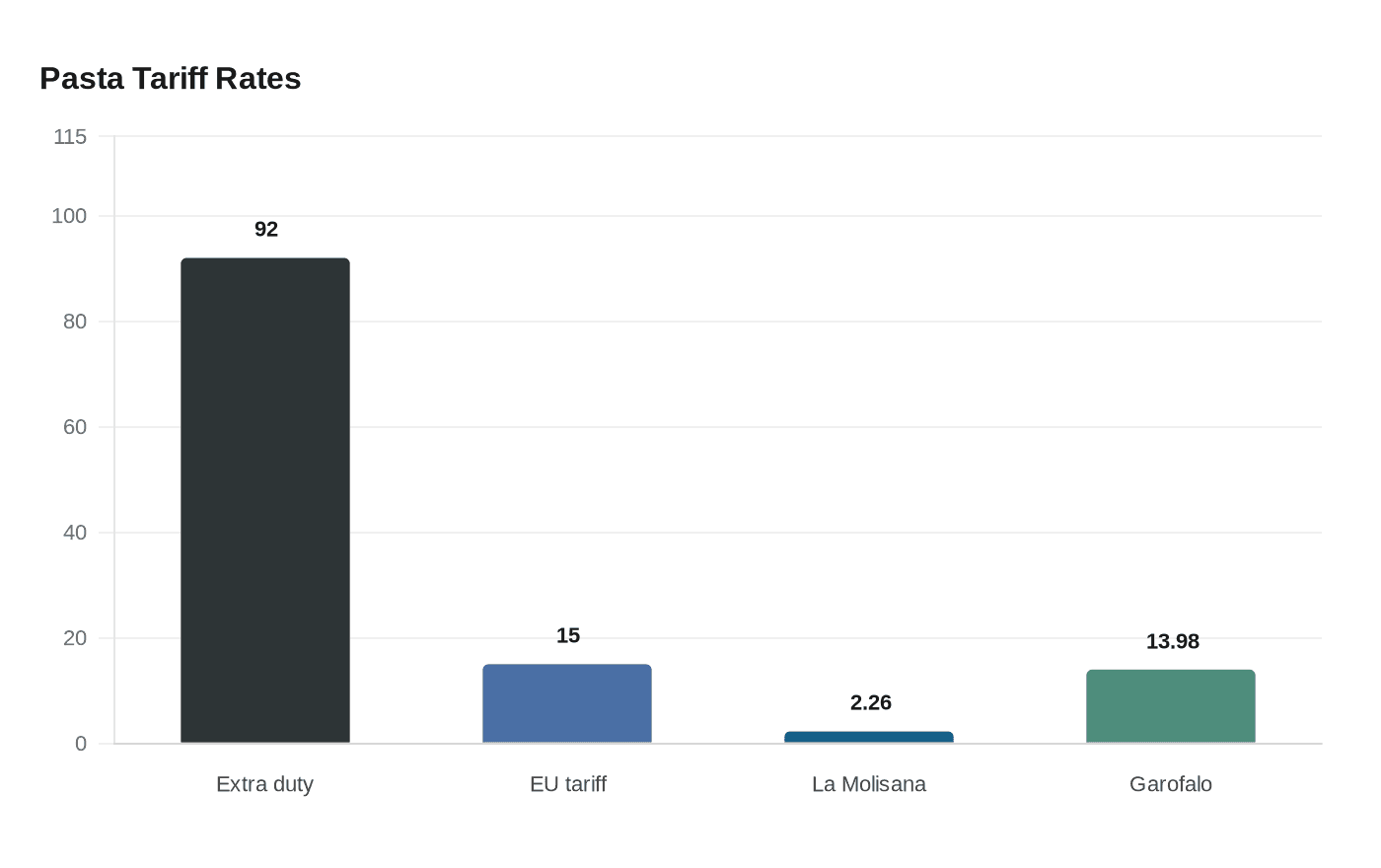
The pressure sharpened in October 2025, when the United States said 13 Italian pasta companies would face an extra 92% duty on top of the regular 15% tariff on most European Union imports. The anti-dumping case initially singled out La Molisana and Garofalo, two names that matter far beyond Italy because they are the kind of brands American shoppers reach for when they want the Made in Italy label to mean something specific. Italy later said the United States had sharply reduced the proposed duties after a review, cutting La Molisana’s rate to 2.26% and Garofalo’s to 13.98%.

That tariff fight lands in a market that is too big for either side to ignore. Italian pasta exports to the United States were valued at close to 500 million euros in 2024, and Italy remains the largest supplier of durum-wheat pasta to the U.S., with more than half of the market. That gives the duties real weight. Industry voices warned the tariffs could effectively double prices for consumers and muddy expectations around what “Made in Italy” is supposed to mean on a supermarket shelf.
The new plant openings are the clearest sign that companies are adjusting rather than waiting it out. Barilla’s Avon expansion includes a first phase estimated at $145 million, with completion expected by March 2028. Il Pastaio, which announced its Pennsylvania project in January 2025, said the facility is expected to inject more than $12.5 million into the local economy and create at least 74 full-time jobs, with company leaders saying the plant could later double its workforce.
For shoppers, the shift is likely to change the story behind the box before it changes the pasta in the pot. The brand names may stay familiar, but more production will happen in U.S. plants, not Italian ones, and that means the industry’s selling point is moving from origin to logistics. The tariff fight is forcing pasta makers to rethink where the drying racks, workers and costs live, and the boxes on shelf will start reflecting that new map.
This article was produced by Prism’s automated news system from verified source data, official records, and press releases, then run through automated quality and moderation checks before publishing. The system is built and supervised by the people who set the standards it runs under. Read our full AI policy.
Did this article answer your question?