Italians Spend 2.5 Billion for New Year, Pasta Leads Purchases
A survey by the Confcooperative Research Center found Italians spent €2.5 billion to say goodbye to 2025 and welcome 2026, an increase of €200 million from the previous year, reflecting resilient demand for traditional holiday fare. Spending concentrated on staples such as pasta, bread, flour and oil, while seafood and desserts also drew strong consumer investment, supporting local producers and restaurants.
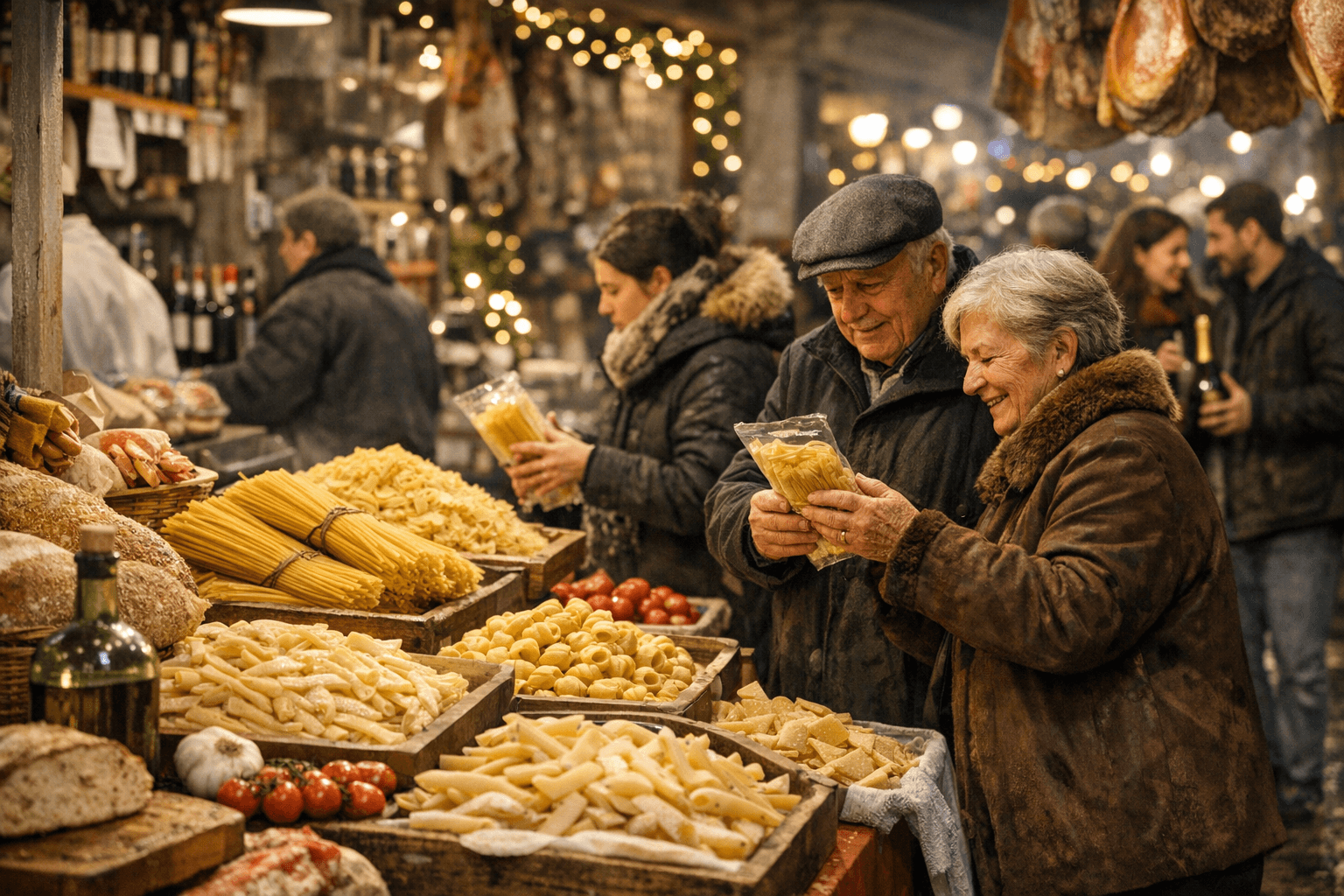
Italians turned the turn of the year into a week long gastronomic marathon, moving from one lavishly set table to another and spending a total of €2.5 billion on New Year celebrations. A survey by the Confcooperative Research Center found that figure represented an increase of €200 million compared with the previous year, underscoring persistent appetite for quality and tradition even as households watch budgets.
The survey highlighted where the money went. Desserts topped the shopping list overall, while spending on pasta, bread, flour and oil reached €245 million. First course items dominated by clams and other seafood accounted for about €200 million in purchases. Those allocations reflect a menu that leans on Italy's agri food excellence and the seasonality of coastal and inland products.
For communities and small producers the holiday surge matters. Restaurants reported heavy bookings and bakeries, pasta makers and fisheries faced increased demand in the run up to New Year. The elevated spending provides a timely boost to local cooperatives and family run suppliers who supply the markets, tables and kitchens that sustain seasonal traditions. Recognition of Italian cuisine by UNESCO continues to bolster the sector, helping to attract diners who prize authenticity and regional ingredients.
Practical steps can help households and small businesses manage the peak period. Plan menus early and reserve restaurant tables now to avoid disappointment. Buy staple ingredients from local mills and cooperatives to support supply chains and to secure fresher stock. When shopping for seafood choose certified local suppliers and ask about seasonal availability to get better prices and quality. For home cooks, stretching rich holiday dishes across several meals can ease costs without sacrificing celebration.
The spending pattern also signals opportunities for producers and retailers to adapt. Offer bundles that pair pasta with sauces and oils, highlight ready to cook seafood options that simplify preparation, and schedule bakeries to meet peak demand for traditional sweets. For readers who care about community impact, prioritizing local vendors keeps more of the holiday spend circulating in nearby economies.
The New Year rally in spending reaffirmed what Italians have long valued, quality and tradition at the table. This year those values translated into measurable support for the agri food chain, from grain and olive oil to clams and confectionery, as households and restaurants marked the end of 2025 and welcomed 2026.
Know something we missed? Have a correction or additional information?
Submit a Tip