Jennifer Segal Shares Her Updated Restaurant-Style Linguine With Clams Guide
Jennifer Segal's updated linguine with clams tutorial walks home cooks through restaurant-level technique, from salted boiling water to a bright butter-and-lemon finish.
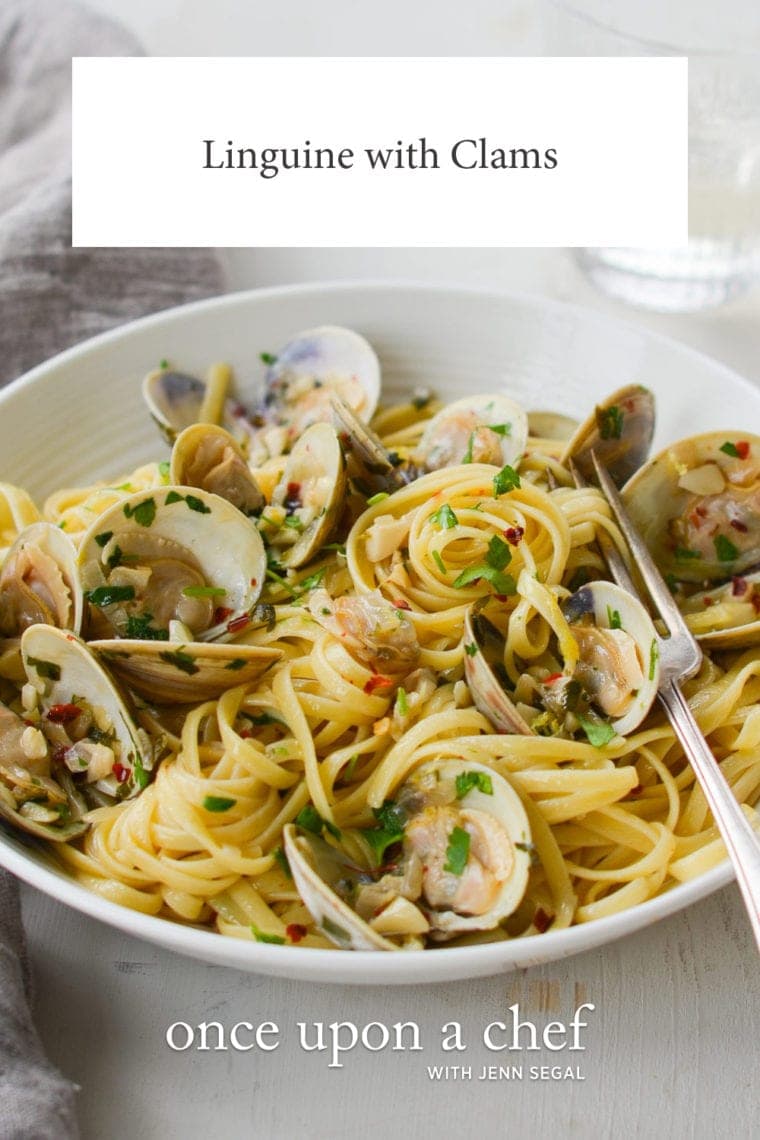
Linguine with clams is one of those dishes that looks deceptively simple on a restaurant menu and then humbles you the first time you try to recreate it at home. Jennifer Segal, the classically trained chef and cookbook author behind OnceUponAChef, updated her thorough step-by-step guide to the dish on March 10, 2026, and it functions as exactly the kind of practical tutorial home cooks need to close that gap between table and kitchen.
Segal's own description of her culinary path captures the spirit of the site perfectly: "Once upon a time, I went to culinary school and worked in fancy restaurants. Now, I'm cooking for my family and sharing all my tested & perfected recipes with you here!" That professional foundation is what separates her instructions from a casual blog post. Every measurement, temperature note, and timing cue in the recipe reflects the kind of discipline you'd find in a restaurant prep kitchen, translated into language and equipment accessible to anyone cooking at home.
Getting the Pasta Right From the Start
The guide opens with a detail that many home cooks underestimate: the pasta water itself. Segal calls for a large pot over high heat with 4 quarts of water and 2 tablespoons of kosher salt brought to a full boil before the linguine goes in. That salinity matters, because the pasta is the foundation of the entire dish and seasoning it from the inside out is a technique straight from professional kitchens.
More critically, she instructs cooks to pull the linguine just shy of al dente, with the pasta still firm to the bite. The reason is built into the process: the linguine will finish cooking directly in the sauce for another minute or two, and overcooking it at this stage means it will turn mushy by the time the dish hits the table. Before draining, the recipe specifies reserving exactly half a cup of the starchy cooking water, then draining the linguine in a colander without rinsing. Skipping the rinse is non-negotiable; rinsing strips the surface starch that helps the sauce cling to every strand.
Building the Sauce
With the pasta draining, attention shifts to a very large sauté pan set over medium-high heat. The size of the pan is not incidental: you need enough surface area to eventually accommodate both the clams and all that pasta. Segal instructs heating the olive oil until it is hot but not smoking, a precise temperature window that ensures the aromatics sear rather than steam or scorch. Shallots and garlic go in together and sauté until just golden, which takes approximately 30 seconds at that heat level.
That 30-second window is worth respecting. Garlic in particular moves from golden to bitter almost instantly at medium-high heat, and the entire flavor profile of the sauce depends on catching it at the right moment. The recipe then proceeds through several additional steps, including the process of opening the clams directly in the pan, before the pasta enters the picture in Step 6.
Bringing It All Together
Once the clams are open and the sauce is built, the drained pasta goes directly into the sauté pan. Segal includes a practical workaround for home kitchens where pan size is a constraint: if there is not enough room for everything in one pan, transfer the clams to a plate, cover them to retain heat, and return them to the pasta on a serving platter when ready to plate. It is a small concession to home kitchen reality that does not compromise the final result.
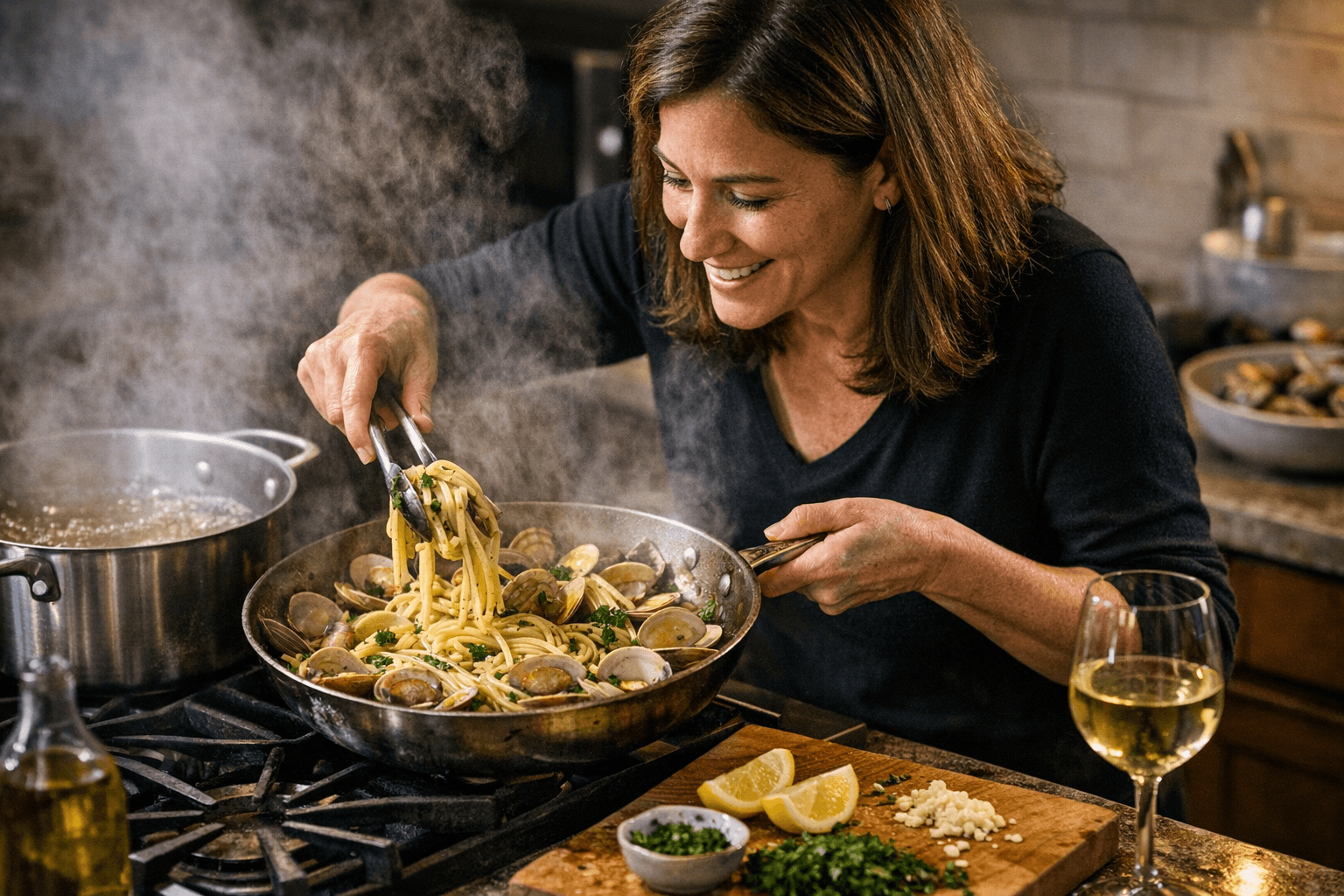
With pasta and clams together, the heat comes down to medium and the dish cooks for 1 to 2 minutes, tossing occasionally, until the linguine absorbs most of the sauce and reaches that final tender texture. If the pan looks dry at any point, the reserved half cup of pasta water serves as the fix: add it gradually to keep the sauce loose and glossy without thinning the flavor.
The Finishing Touches That Define the Dish
Step 7 is where the recipe earns its restaurant-style descriptor. The pan comes off the heat entirely before the finishing ingredients go in: butter, lemon zest, lemon juice, and the remaining 2 tablespoons of parsley. Everything gets tossed together to coat the pasta evenly and melt the butter into the sauce. Removing the pan from the heat before this step is intentional; residual heat is enough to melt the butter while protecting it from breaking, which would leave the sauce greasy rather than silky.
The parsley note is telling in its phrasing. The recipe specifies "the remaining 2 tablespoons," which means an earlier step uses some portion of the parsley during the sauce-building phase. It is a structural choice common in professional cooking: herbs layered in at different stages build complexity that a single addition at the end cannot achieve.
What Makes This Tutorial Worth Following
The value of Segal's approach is in the precision at every stage. Each instruction carries a specific number, a temperature description, or a time cue: 4 quarts of water, 2 tablespoons of kosher salt, hot but not smoking, just golden, about 30 seconds, 1 to 2 minutes. That level of specificity removes the guesswork that derails home cooks when they try to replicate something they have only eaten in a restaurant.
Her credentials back the confidence behind those calls. The OnceUponAChef site identifies her as a classically trained chef and cookbook author, someone who spent time in professional kitchens before redirecting that expertise toward recipes families can realistically cook and repeat. The result is a tutorial that does not ask home cooks to approximate; it tells them exactly what to do and why it matters at each step.
For anyone who has ordered linguine alle vongole at a restaurant and wondered how a dish with so few components can taste so layered and precise, this guide answers that question one deliberate step at a time.
Know something we missed? Have a correction or additional information?
Submit a Tip