Leftover Pasta May Reduce Blood Sugar Rise via Resistant Starch
Leftover pasta may raise blood sugar less than freshly cooked pasta because cooling and reheating forms resistant starch that slows digestion.
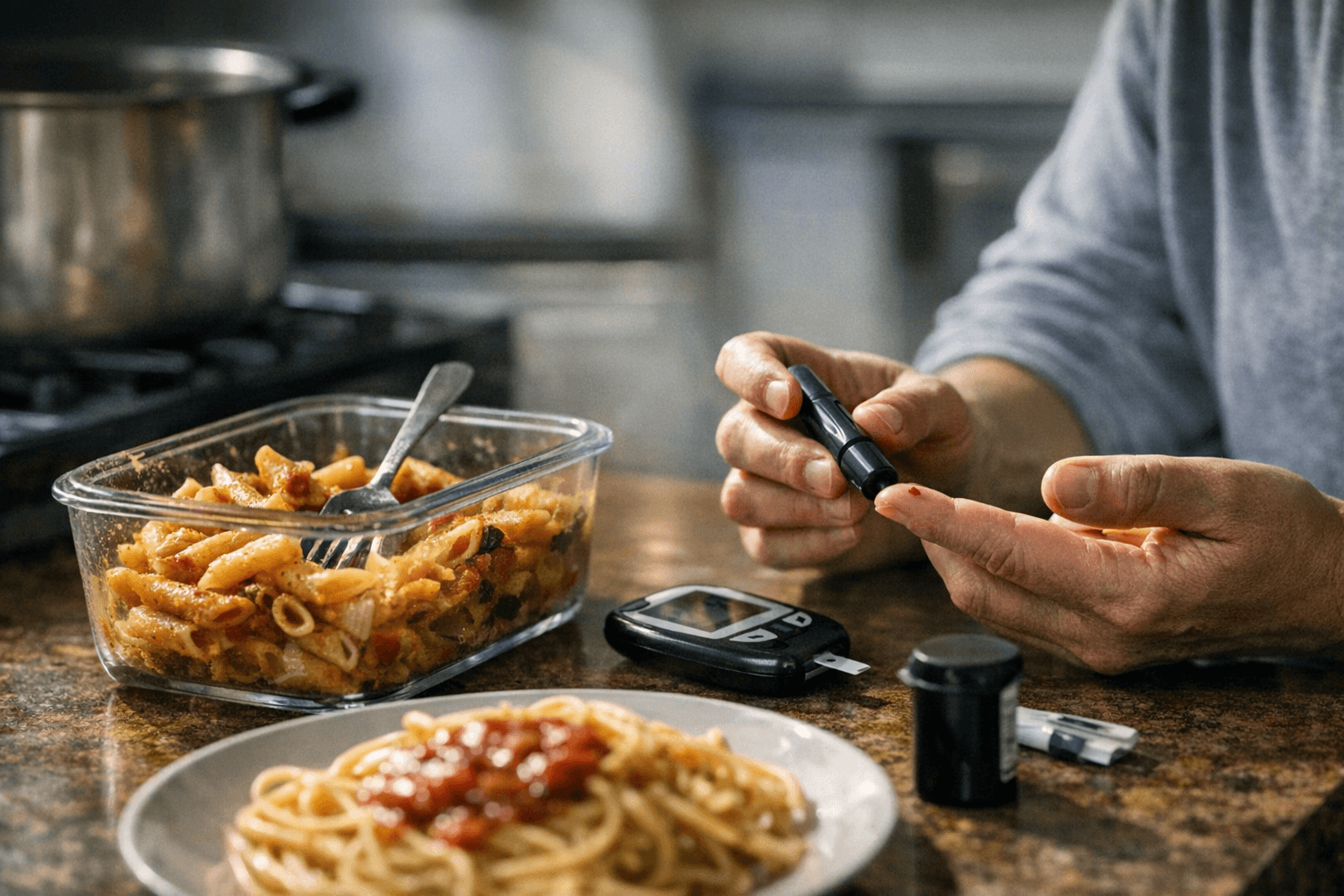
A viral social-media tip got a scientific nudge: pasta that has been cooked, chilled and then reheated can form resistant starch that resists digestion and may blunt the post-meal glucose spike. The process, called retrogradation, happens when starchy foods cool for a period - ideally 12 to 24 hours - and some of the starch recrystallizes into a form our bodies digest more slowly.
“Leftover pasta may lead to a smaller blood sugar rise than freshly cooked noodles.” That conclusion reflects the basic mechanism most nutrition researchers described: cooking gelatinizes starch, then cooling lets some of it reorganize into resistant starch, and brief reheating does not fully reverse that change. Resistant starch passes farther along the gut before being fermented, which reduces the immediate glucose load after a meal.
Dietitians and university researchers at Ohio State, the University of Surrey and the University of South Florida highlighted the potential benefit while also flagging real-world caveats. Portion size matters - a huge bowl of chilled then reheated pasta still contains plenty of digestible carbohydrate. Individual responses vary, and people with diabetes should monitor blood glucose rather than assume a fixed benefit. Food safety and flavor matter too; properly chilled pasta and sensible reheating keep leftovers safe and palatable.
For pasta lovers who want an al dente advantage, practical steps are straightforward. Cook pasta to al dente so it does not over-gelatinize. Cool it promptly and store it in the refrigerator for about 12 to 24 hours to encourage retrogradation. Reheat briefly when ready to eat; long, high-heat reheating can reduce but not eliminate resistant starch. Keep sauces, fats and toppings in mind: adding sugar, cream or large amounts of cheese increases total carbohydrates and calories and can offset any glycemic benefit.
This is practical news for meal-preppers and anyone who enjoys a second-day plate. Planning ahead turns what many consider a culinary compromise into a potential metabolic plus. It also reframes leftovers: pasta salad, quick stir-ins with vegetables, and short reheats can be both convenient and kinder to blood sugar than an identical portion served piping hot minutes after cooking.
What this means for readers is simple: try the cold-then-warm trick and track how your body responds. Use sensible portions, prioritize safe refrigeration, and treat leftover pasta as a tool rather than a cure. The next step for the community is to experiment with shapes and sauces and share results - small changes in prep can make a familiar favorite work a little harder for your health.
This article was produced by Prism’s automated news system from verified source data, official records, and press releases, then run through automated quality and moderation checks before publishing. The system is built and supervised by the people who set the standards it runs under. Read our full AI policy.
Did this article answer your question?