Marca 2026 highlights Emilia-Romagna’s export muscle and tariff risks
Alessio Mammi opened Marca 2026 praising Emilia-Romagna as Italy's Food Valley and warning that tariffs threaten exporters. The fair matters for private-label pasta, cheese and sauce producers.
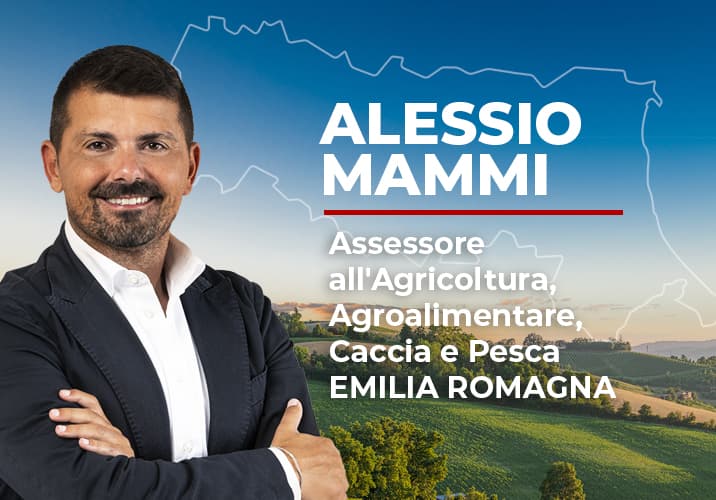
Emilia-Romagna framed Marca 2026 as both showcase and safeguard for Italy’s food supply chain when Alessio Mammi, the region’s agriculture and agri-food assessor, opened the fair on January 14. Mammi emphasized the event’s growth and the region’s central role as the country’s Food Valley, pointing to roughly 10 billion euros in export value for the agri-food sector as evidence of regional strength.
The assessor made clear why Marca matters for the pasta community: the fair functions as a major marketplace for private-label producers of bread, pasta, tomato sauce, cheese and other staples. For manufacturers and co-packers that supply retailers and food service brands, Marca provides deal-making, sample testing and contact-building opportunities that can convert into long-term contracts and steady export volumes.
Mammi also used the opening to sound a warning about trade policies. He described tariffs as taxes that land on both producers and consumers and referenced recent discussions around pasta tariffs. He urged continued dialogue to prevent measures that could choke export channels. That message landed against a backdrop of stronger export numbers but growing concern over cross-border trade pressures that can erode margins, complicate logistics and disrupt established buyer-supplier relationships.
For pasta makers, packagers and exporters the practical implications are immediate. Marca’s role as a physical hub for private-label deals remains one of the most direct ways to offset market shocks: secure orders, diversify buyer portfolios and demonstrate product reliability to overseas retailers. At the same time, stay alert to tariff developments because increased duties can change pricing strategies, contract terms and target markets almost overnight.

Verify export paperwork, be explicit about CIF and DDP terms in new contracts, and use Marca contacts to explore alternative routes or buyer segments if tariff changes reduce competitiveness in a primary market. Smaller producers should prioritize clear labeling and documentation that reassure foreign buyers when customs scrutiny tightens.
Marca 2026 showed the region’s clout and the vulnerability that comes with being a major exporter. For pasta producers and private-label partners, the fair is a working forum where business gets done and where policy conversations can translate into practical responses. Keep attending, keep negotiating, and keep channels open so Italian pasta stays competitive and, yes, stays al dente in global markets.
This article was produced by Prism’s automated news system from verified source data, official records, and press releases, then run through automated quality and moderation checks before publishing. The system is built and supervised by the people who set the standards it runs under. Read our full AI policy.
Did this article answer your question?