Match Pasta Shapes to Sauces for Better Home Cooking
I compiled a compact, high‑utility reference that pairs common pasta shapes with the sauces that suit them best and collects practical tips for making, storing, and serving homemade pasta. These straightforward pairings and technique notes help you get restaurant-style results at home, reduce waste, and make experimentation easier.
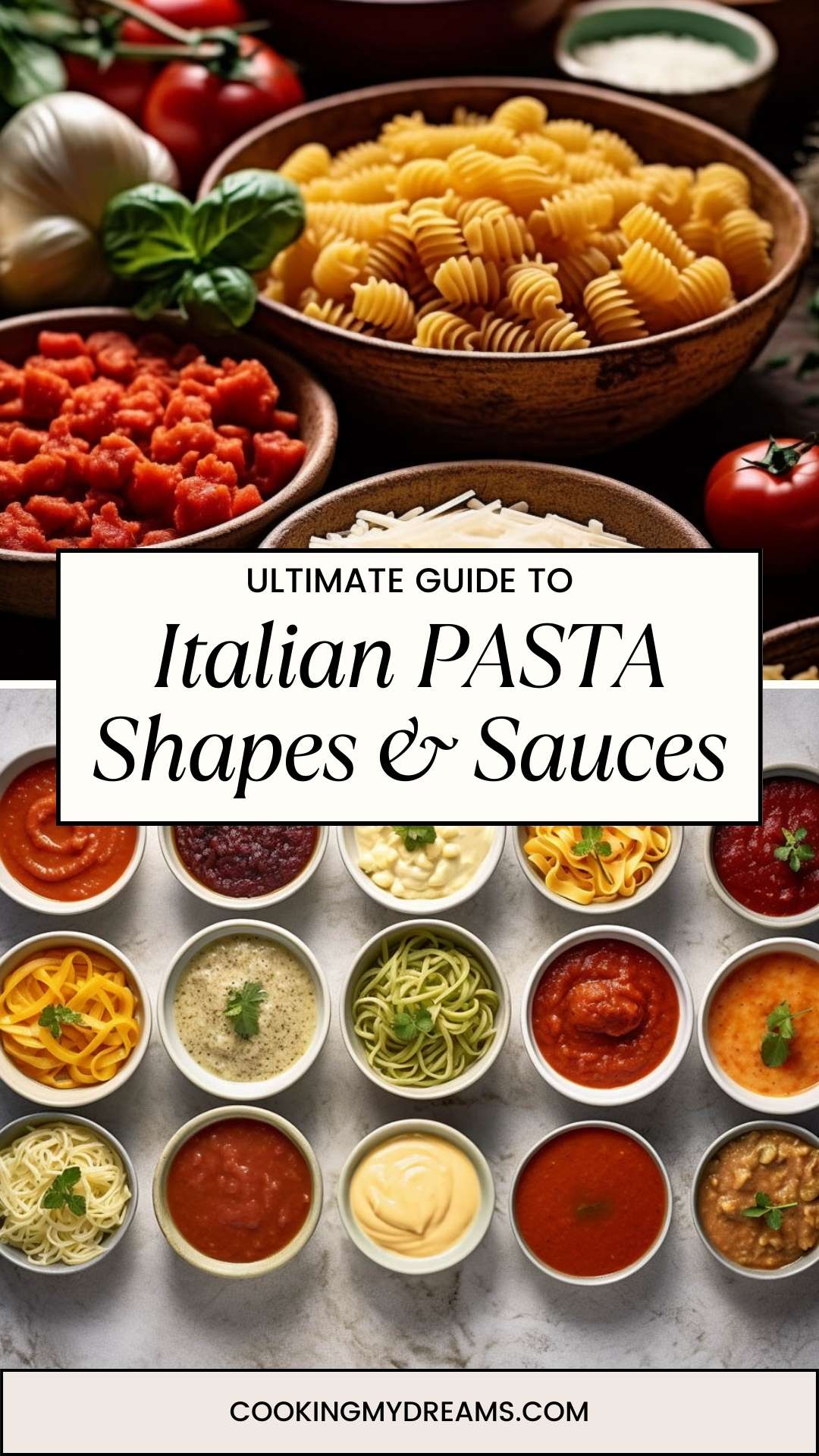
Start with shape and sauce. Long, thin pastas such as spaghetti, linguine, and bucatini perform best with light oil- or tomato-based sauces, simple garlic-and-oil preparations, seafood, or cacio e pepe; bucatini also pairs well with fattier, tomato-based amatriciana-style sauces. Ribbon pastas like fettuccine and tagliatelle excel with creamier, emulsified sauces, butter-and-cheese finishes, or rich ragùs because their wider surface carries sauce. Tubular and short shapes such as penne, rigatoni, and ziti suit chunkier tomato sauces, vegetable pieces, and baked dishes, since ridges and tubes trap meat and veg. Small twists like fusilli and rotini capture chunky sauces, pesto, and dressings for cold pasta salads. Filled pastas, ravioli and tortellini, prefer restrained partners: light butter and sage or simple broths that let the filling be the star. Extruded shapes such as cavatappi, casarecce, and radiatori are built for hearty sauces, cream-and-mushroom combinations, and cheesy bakes where pockets hold sauce.
Flour and dough choices shape texture. Use “00” or all-purpose flour, with semolina added for bite and structure; semolina is especially useful for extruded shapes and machine-rolled dough, while “00” yields silkier sheets for filled pasta. A straightforward egg pasta ratio is roughly one large egg per 100 grams of flour per person; for a simple starter, mix 200 grams of “00” or all-purpose flour with two large eggs and a pinch of salt, knead 8–10 minutes until smooth, rest 30–60 minutes, then roll and cut. For eggless or vegan dough use water plus semolina or all-purpose flour with olive oil, adding liquid slowly until the dough is cohesive but not sticky.
Technique matters. Knead until the dough is smooth and elastic and let it rest covered for 30–60 minutes to relax the gluten. Roll progressively thinner, keeping surfaces lightly floured but avoiding excess that dries the pasta. Fresh pasta cooks quickly, often 1–4 minutes depending on thickness, so salt the cooking water generously and reserve some starchy pasta water to adjust sauce consistency. Finish pasta in the pan with the sauce for 1–2 minutes to let it bind and absorb flavor; that step often separates home results from restaurant-quality plates.
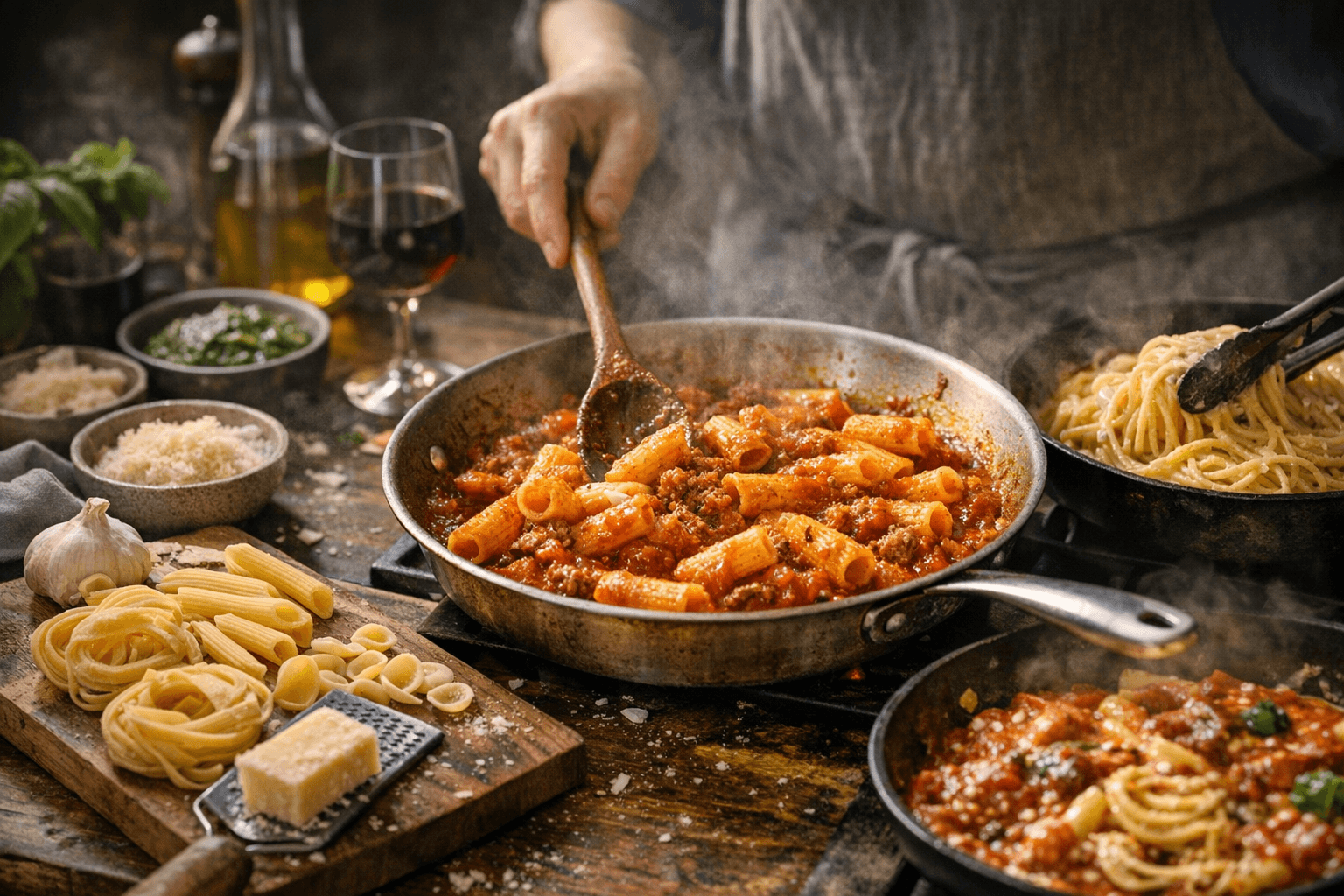
Tools and storage keep work practical. Essential items include a bench scraper, pasta machine or rolling pin, cutter, drying rack, and a fine colander; electric extruders ease larger batches. Refrigerate fresh pasta tightly wrapped for 24–48 hours or freeze on trays then bag for up to two months; freeze filled pasta on trays first, then transfer to airtight bags. For quick fixes, add flour for sticky dough or a few drops of water or olive oil for dry dough; reduce thin sauces or whisk in butter or cheese; if a cream sauce splits, remove from heat and whisk in warm milk or reserved pasta water.
Experiment with one variable at a time, shape, flour, or sauce, in small batches so you learn how each change affects texture and flavor while keeping costs and waste low.
Know something we missed? Have a correction or additional information?
Submit a Tip