Michelin-Star Chef Gianluca Belli Shows How to Make Casunziei in Cortina
Learn how to make casunziei from chef Gianluca Belli and discover the Cortina traditions, timing, and serving tips that make this half‑moon ravioli special.

1. What casunziei is and how to say it
Casunziei is a half‑moon (crescent) ravioli‑type stuffed pasta that Cortina d’Ampezzo claims as its signature dish. Pronounce it “cah‑SOON‑zi‑eh,” and imagine a thin pasta shell holding an earthy, colorful filling, most famously red beets in the Casunziei Rossi version.
2. Why casunziei matters in Cortina
This dish is rooted in Cortina’s Ladin culture and “harks back to the Alpine region’s poorer past,” when simple pantry staples fed families through harsh winters. Today casunziei sits comfortably on menus from mountain huts to Michelin kitchens, a culinary emblem of the town alongside its ski slopes.
3. Who demonstrated the recipe in Cortina
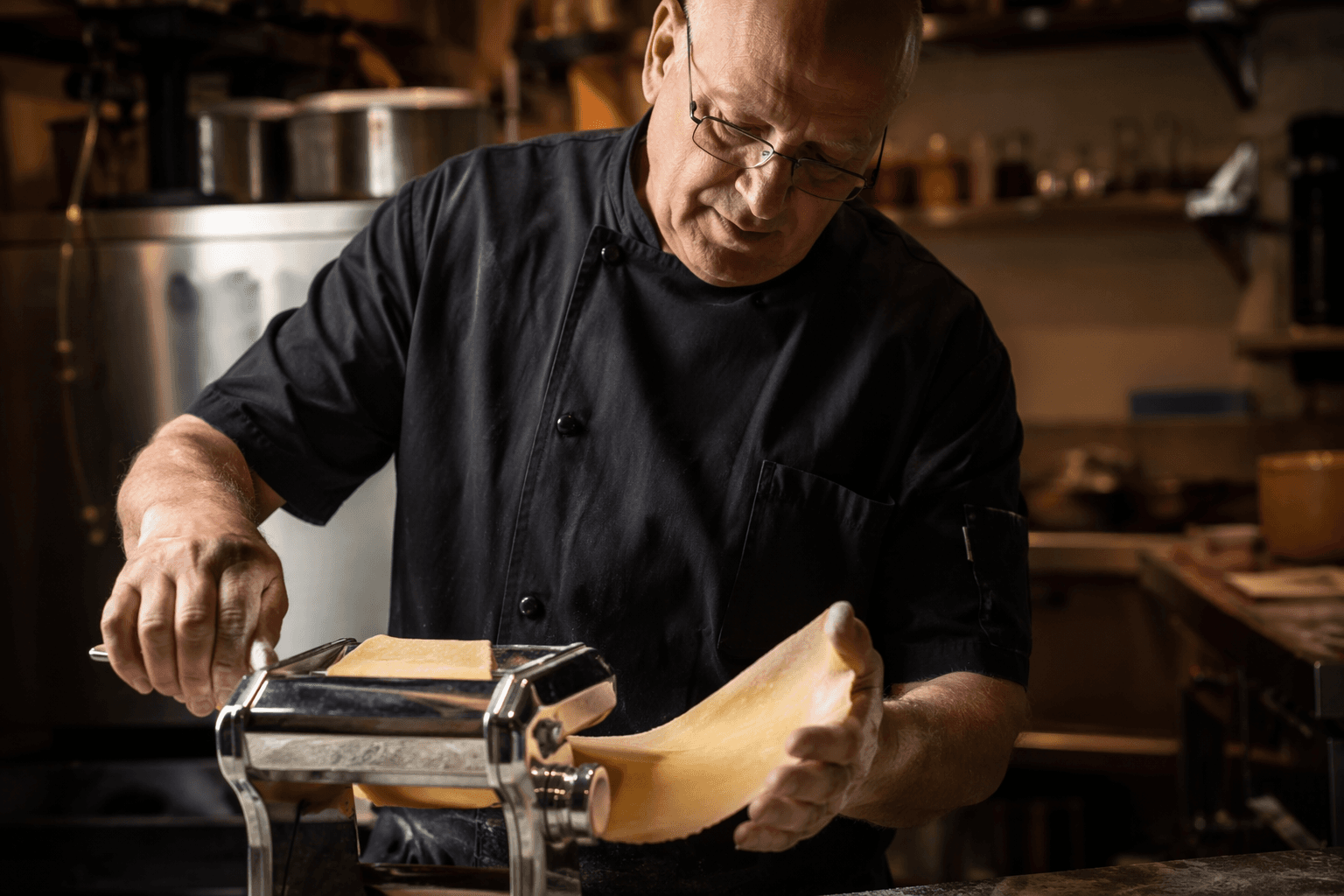
Michelin‑star chef Gianluca Belli of Ristorante Tivoli demonstrated how to make casunziei during a pasta‑making tutorial photographed in Cortina. Luca Noale, manager of the restaurant The Roof, translated and explained the steps during the demonstration, connecting kitchen technique with local tradition.
4. Yield and core timing to plan for
The recipe as reported yields roughly enough for two people, or about 22 pieces, so plan accordingly if you’re cooking for more. Timing matters: make the dough one day before serving and refrigerate overnight, boil beets until tender (about two hours), and cook filled casunziei in boiling water until they float, about one minute.
5. The essential ingredients (what you must have)
The sources list the essential building blocks: flour and eggs for the pasta dough; boiled red beets for the classic filling; salt and pepper to season the puree; butter to brown; freshly grated Parmigiano; and poppy seeds to finish. No exact weights were provided in the reports, so treat this as a technique‑forward, ingredient‑aware guide rather than a strict bake‑book formula.
6. Day 1, make the pasta dough
Start by dumping flour onto your work surface and forming a well in the middle. Crack eggs into the center, use a fork to slowly incorporate the flour, then knead until the dough is smooth; store it in the refrigerator overnight as the recipes advise, which helps the gluten relax and makes rolling easier the next day.
7. Day 2, cook, puree, and season the beets
Peel and boil the beets until tender, reports specify this can take about two hours, then put them through a food processor to make a puree. Transfer the puree to a bowl and season with salt and pepper to taste; this simple filling is the heart of Casunziei Rossi and showcases the beets’ earthiness and color.
8. Day 2, roll, cut and portion the pasta
Divide the chilled dough into four pieces and flatten each with a rolling pin before running it through a pasta maker on the thinnest setting until almost transparent. Use a water glass to cut circles from the rolled sheets, this gives you consistent rounds to fill and fold into the characteristic half‑moon shape.

9. Day 2, fill and seal the casunziei
Add the beet puree into the center of each circle using a pastry bag or a tablespoon, keeping portions small so the pasta seals cleanly. Fold the circle over the filling into a half‑moon and press the edges together with a fork; the recipes emphasize a thin pasta shell so the beet color and flavor can shine through.
10. Cook the pasta and brown the butter
Bring a pot of salted water to a rolling boil and add the filled casunziei; remove them when they rise to the surface, about one minute is given in the recipe notes. Separately, melt butter in a pan and cook it until it browns; the nutty browned butter is an essential finishing touch that complements the sweet earthiness of the beets.
11. Plate order and finishing touches
A specific plating technique is called out: grate Parmesan directly onto the plate, add the cooked casunziei on top of the cheese, then pour the browned butter over the pasta and finish with a sprinkle of poppy seeds. Pittsburgh Tablemagazine’s photo also shows an optional sage leaf garnish; these finishing details add aroma, texture, and the visual pop that makes the dish unmistakable.
12. Wine pairing and a local recommendation
Luca Noale advises that “the sweetness of the beets … needs to be balanced by a light‑bodied wine.” His recommendation: “a young, local pinot nero,” otherwise known as pinot noir, which keeps the plate bright without overwhelming the delicate pasta and browned butter.
13. Variations, family recipes and local voices
Casunziei comes in many family and local variations, beet filling is the most famous, but other fillings such as spinach are common. As Olympic curling champion and Cortina native Stefania Constantini put it: “It’s a typical local dish. My favorite casunziei are the ones cooked by my grandmother, the spinach ones.” Pittsburgh Tablemagazine’s Sara Ghedina adds a family memory: “I grew up eating homemade casunziei prepared with love by both my grandmothers… doused in butter, poppy seeds, and freshly grated Parmigiano, they are that good!”
- Work surface, flour, eggs and a well‑formed dough are basics, don’t rush the knead or the overnight rest.
- Boil beets until very tender so the puree is silky; a food processor gives the smooth texture used in the demonstration.
- Roll the pasta very thin, use the thinnest setting on your pasta maker until it’s almost transparent so the filling’s color shows through.
- Use a water glass to cut circles, fill with a pastry bag or tablespoon, fold to a half‑moon and seal with a fork for a clean edge.
- For plating and photos: grate Parmigiano onto the plate first, arrange casunziei on top, drizzle browned butter, sprinkle poppy seeds and add a sage leaf if desired. This checklist preserves the exact props and actions used in the Cortina demonstration.
14. Practical tips and a photo‑shoot checklist
15. Where to taste casunziei and closing practical wisdom
You can find casunziei across Cortina d’Ampezzo, from mountain huts and family kitchens to high‑end restaurants like the Michelin‑starred Ristorante Tivoli where Gianluca Belli demoed the dish. If you make them at home, plan ahead: make the dough the day before, allow slow beet cooking, and embrace the simplicity, thin pasta, a pure beet filling, browned butter, Parmigiano and poppy seeds, the combination is what turned a modest peasant dish into a local icon. Photo credit for the pasta tutorial: AP Photo/Andrew Medichini (local chef Gianluca Belli demonstrating casunziei during a pasta‑making tutorial, Nov. 21, 2025).
This article was produced by Prism’s automated news system from verified source data, official records, and press releases, then run through automated quality and moderation checks before publishing. The system is built and supervised by the people who set the standards it runs under. Read our full AI policy.
Did this article answer your question?