Pasta industry faces volatility as prices, demand and supply shift
Pasta shoppers will feel this volatility in shelf tags, imported boxes and semolina quality long before the trade charts turn ugly.
The first warning shows up at the shelf
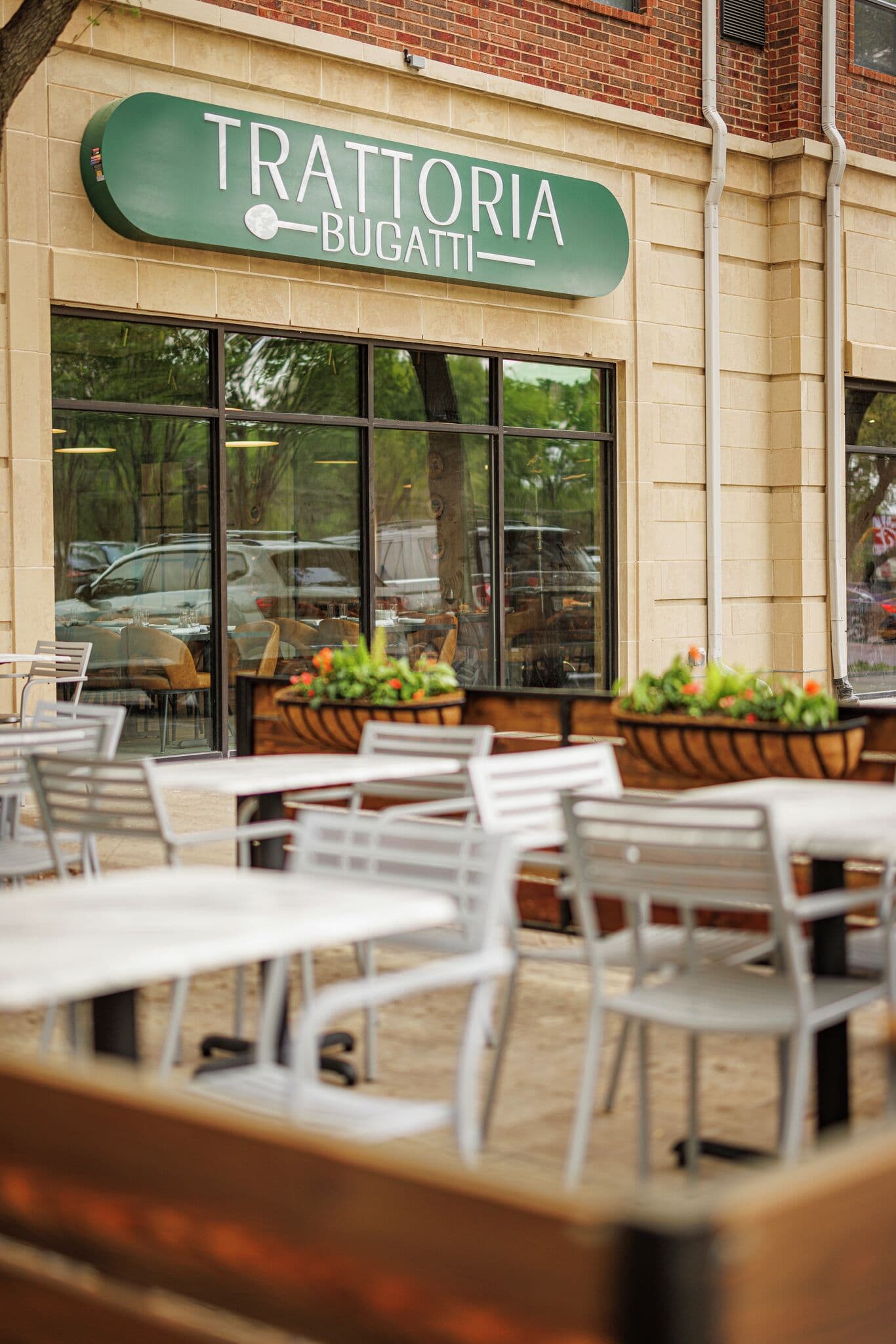
The easiest way to read the pasta market right now is to look past the headlines and straight at the shopping cart. When price tags move, imported boxes thin out, and the semolina on the shelf starts looking less predictable, that is the real signal that volatility has moved from the trade floor to dinner.
Mary Kennedy’s warning about ongoing uncertainty in the sector fits neatly into what pasta fans notice first: uneven prices, tighter availability on some imported brands, and a little more guesswork about flour quality than most home cooks want. The category is still resilient, but it is being pulled by consumer behavior, economic pressure, geopolitical disruption, supply-chain strain, artificial intelligence, and shifting eating habits all at once.
Nora Stabert, the outgoing National Pasta Association chairwoman and vice president of sales at Winland Foods, put it bluntly at the association’s meeting in Savannah, Georgia: volatility has become the new baseline. She said consumer sentiment is weaker than it was during the pandemic, with inflationary pressure and reduced SNAP benefits squeezing household budgets. She also said some major brands have already started cutting prices to defend volume, which is the kind of move shoppers usually see before the aisle gets more promotional and less stable.
What that means for the pasta buyer
If you buy pasta like an enthusiast, not just a pantry filler, the impact shows up in three places fast. First is price. When major brands cut prices to hold share, that can temporarily help your bill, but it usually signals that demand is soft enough to force a fight for every box.
Second is assortment. Imported labels can stay on shelf in a healthy market because retailers trust the turnover. When trade flows get wobblier, the first casualties are often the niche shapes, regional brands, and the better value-added products, especially the ones that depend on dependable supply and predictable freight.
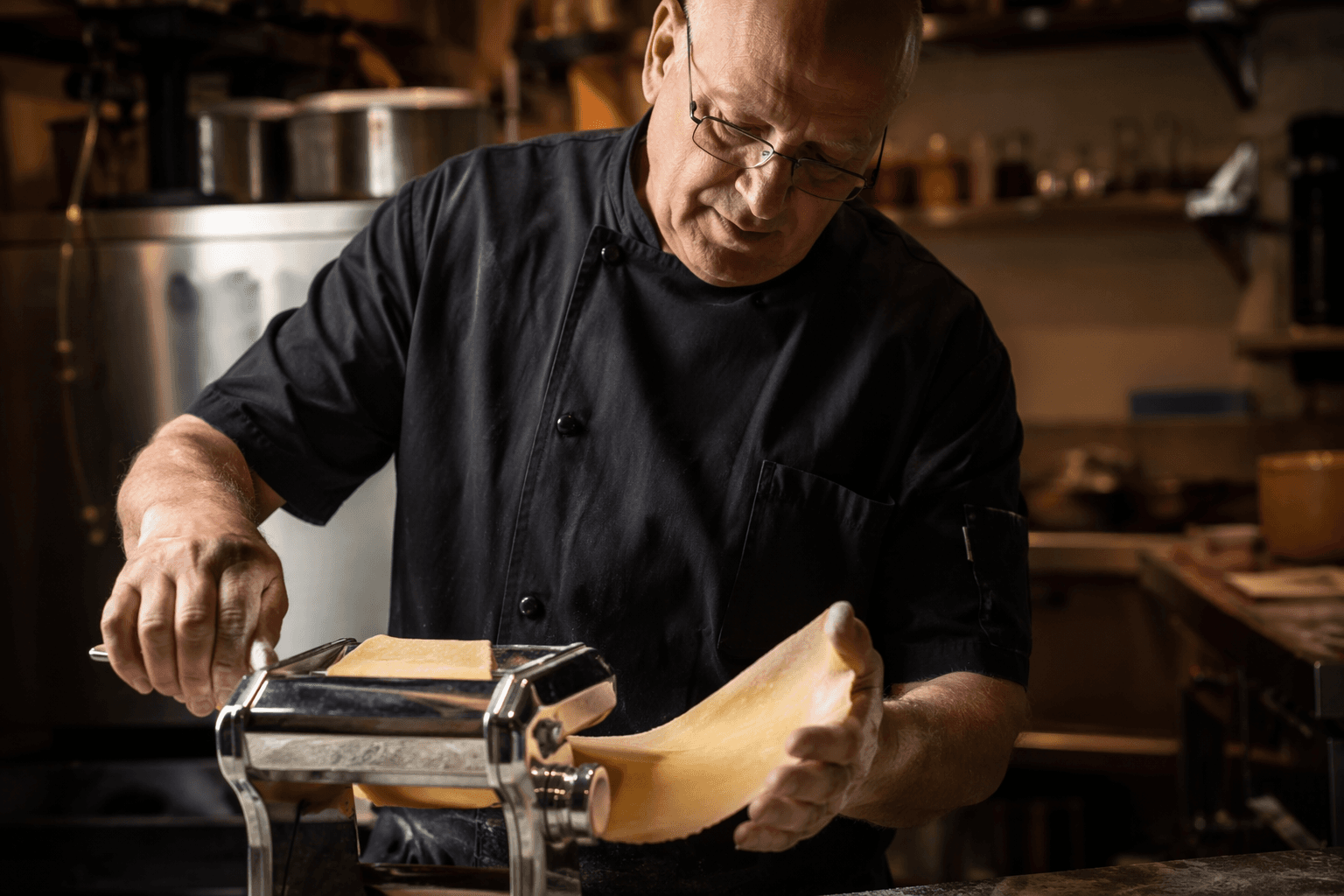
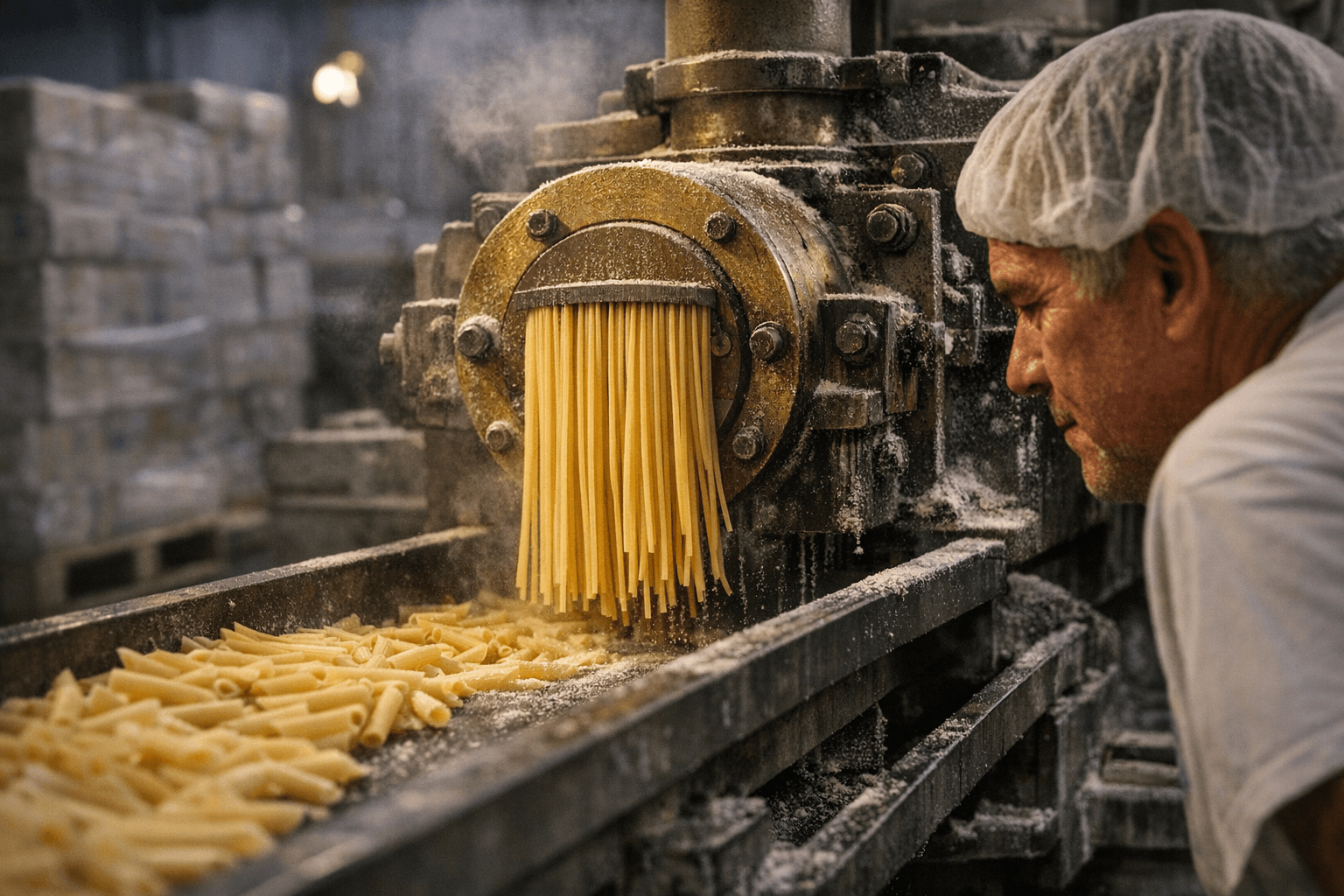
Third is quality. Pasta is built on durum, and durum is one of those grains where small shifts in crop outlook can ripple into texture, color, and cooking performance. If you have ever noticed one box of bronze-cut rigatoni behaving beautifully while another feels a little off, that is the kind of inconsistency a tighter market can magnify.
The grain side is where the pressure starts
The supply story is not abstract. The USDA’s May 2025 Wheat Outlook forecast U.S. wheat exports down 20 million bushels to 800 million, a sign that the export channel was already under pressure. Its June 2025 outlook estimated 2025/26 durum and other spring wheat production at 509 million bushels, while saying survey-based durum numbers would come later in USDA reports.
That matters because pasta does not care about broad optimism in the grain market if the specific wheat that makes good pasta gets tighter. The USDA’s April 2026 Wheat Outlook went further, forecasting U.S. all-wheat planted area for 2026/27 down 3 percent year over year and at the lowest level since records began in 1919. That is the kind of figure that gets grain buyers, millers, and pasta makers paying closer attention to weather, seeding decisions, and carryover stocks.
Internationally, the International Grains Council’s 2025/26 outlook showed production rising overall, but it also emphasized that supply and demand are still shifting under the surface. Industry groups keep circling the same risks: weather shocks, logistics costs, and trade flows. For pasta, those three variables can be enough to change what lands on your shelf and how much you pay for it.
Demand is changing too, and not just because of inflation
The demand side is getting more complicated in a way shoppers can feel without reading a balance sheet. Stabert pointed to the University of Michigan consumer sentiment index as one signal that shoppers remain cautious. She also linked weaker demand to inflation, reduced SNAP benefits, and broader household pressure, which helps explain why some big brands are leaning into price cuts.
Then there are the longer-term changes. Stabert pointed to declining birth rates, reduced immigration, and delayed parenthood, all of which affect how often families cook, how much they buy, and what kinds of packaged foods stay in rotation. She also flagged GLP-1 weight-loss drugs, which the report said are being used by an estimated 10 million Americans now and could reach 30 million by 2030.
That number matters because pasta is a volume business. If more consumers are eating smaller portions or changing meal patterns, the category does not just lose sales in one place. It changes when people buy, how much they buy, and which products look most attractive, especially in a market already dealing with inflation and tighter household budgets.
The global pasta machine is still huge
None of this means pasta is suddenly fragile. The International Pasta Organisation says global pasta production nearly reached 17 million tons in 2023, which is an enormous base for a category that sits at the center of home cooking in dozens of markets. Italy remains the anchor, consuming more than 23 kilograms per person annually, while also exporting over 2.4 million tons of pasta in 2024 worth €4.02 billion.
Those exports are not standing still, either. The strongest growth showed up in the United States, South Korea, Ukraine, Colombia, Serbia, Turkey, Vietnam, Oman, and Uruguay. That is a reminder that pasta is not just an Italian story anymore. It is a global trade in shapes, flour, logistics, and brand trust, and what happens in one region can show up on store shelves thousands of miles away.
That global scale is exactly why the World Durum and Pasta Forum has become such a useful pressure point for the industry. Its second edition took place in Rome, Italy, and drew more than 350 professionals from North America, Turkey, the European Union, North Africa, Kazakhstan, and the Black Sea region. The conversation there centered on crop forecasts, risk management, and the practical headaches that come with moving durum and pasta through an unstable market.
What to watch next
For pasta buyers, the smart read is not panic. It is attention. Watch for which imported brands stay present, which price points get pushed down by the majors, and whether semolina-based products keep their usual color and bite as grain markets shift.
The category is still strong, and the numbers prove it. But strong does not mean simple. In a market shaped by lower planted area, tight wheat export expectations, shifting consumer habits, and rising pressure on household budgets, the pasta aisle is where global instability becomes personal first.
This article was produced by Prism’s automated news system from verified source data, official records, and press releases, then run through automated quality and moderation checks before publishing. The system is built and supervised by the people who set the standards it runs under. Read our full AI policy.
Did this article answer your question?