Practical pasta primer: choosing shapes, doughs, and cooking techniques
Learn when to pick fresh or dried pasta, how shapes pair with sauces, what to read on labels, and why bronze-cut pastas matter. Practical tips for shopping, cooking, storing, and building skills.
1. Choosing fresh versus dried pasta
Fresh and dried pasta each have clear strengths in the kitchen: fresh egg pasta is silkier and more tender, ideal for delicate, butter- or cream-based sauces and stuffed forms like ravioli, while dried pasta, made from durum wheat or semolina, gives a firmer, chewier bite that holds up to hearty ragùs and baked dishes. Treat dried pasta as your everyday workhorse when you want pronounced texture and al dente resilience, and reach for fresh pasta when the sauce is subtle and the pasta itself should be the star. Knowing which to buy simplifies shopping and reduces waste: pick fresh for special dinners or filled shapes, and stock dried for quick weeknight builds.
2. What to look for on ingredient lists
When shopping, the ingredient list tells you which pasta will behave in the pot: look for durum wheat or semolina flour on dried pasta, those names mean higher protein and a firm bite that keeps al dente structure. For fresh pasta, eggs (whole eggs or yolks) and type of flour signal a richer, more tender dough suited to delicate sauces; avoid products with excessive additives if you want traditional texture. If a package calls out bronze or bronze-die, it’s a sign the pasta surface is intentionally rougher (see item 3), while Teflon-cut or smooth-extruded labels usually mean a slicker surface that repels sauce.
3. Bronze-cut pasta and why surface texture matters
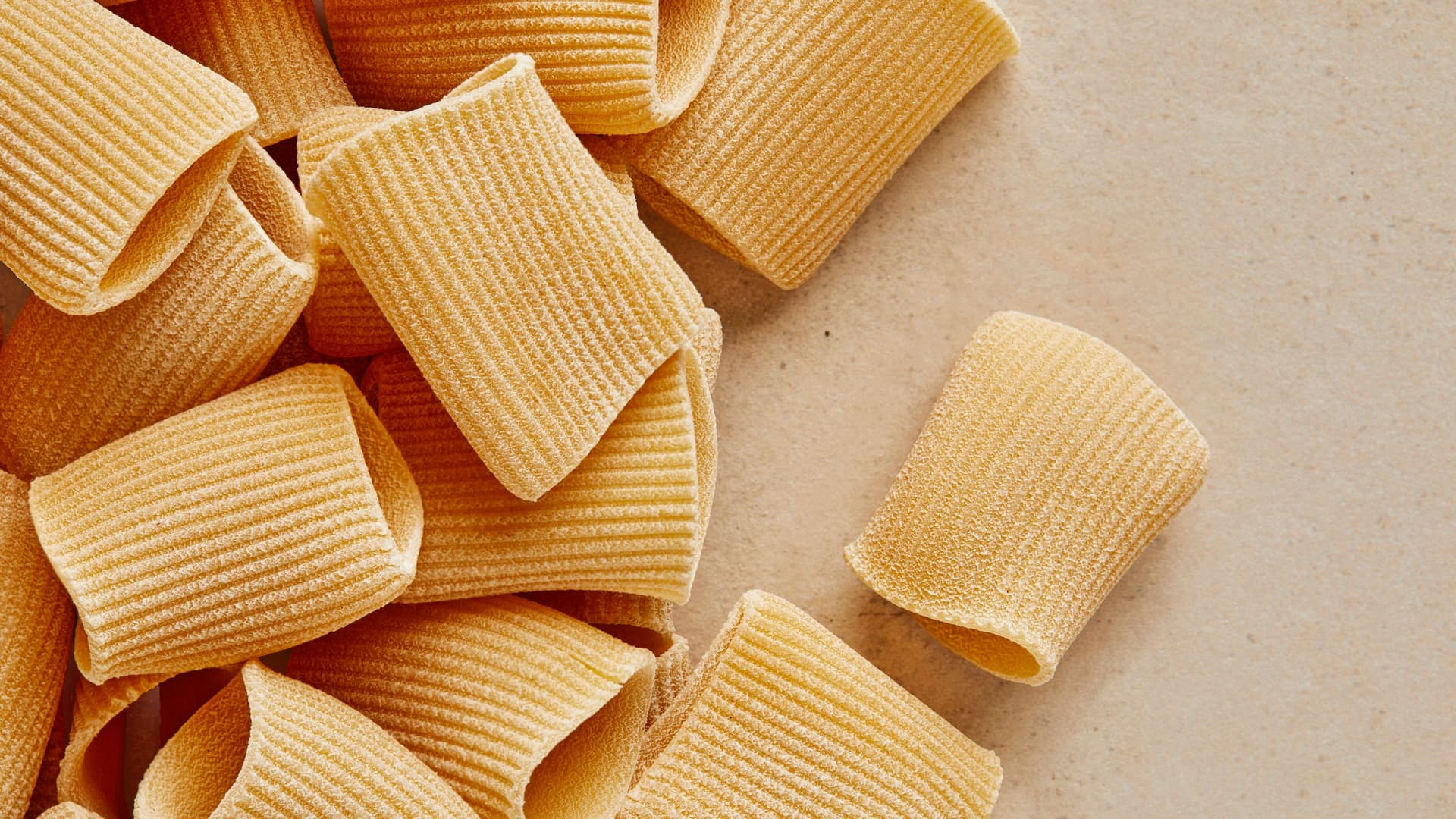
Bronze-die (bronze-cut) pastas are extruded through bronze dies, producing a rough, porous surface that helps sauce cling to every curve and groove; for saucy dishes, that texture means more bite and flavor with each forkful. In contrast, smooth-cut pasta has a glassy finish that tends to shed sauce, which can be fine for light oil-based dressings but less desirable for chunky ragùs. If you want your sauce to hang on and make an impact, choose bronze-cut shapes, they’re the unsung glue between pasta and pantry.
4. Match shapes to sauces, practical pairings that work
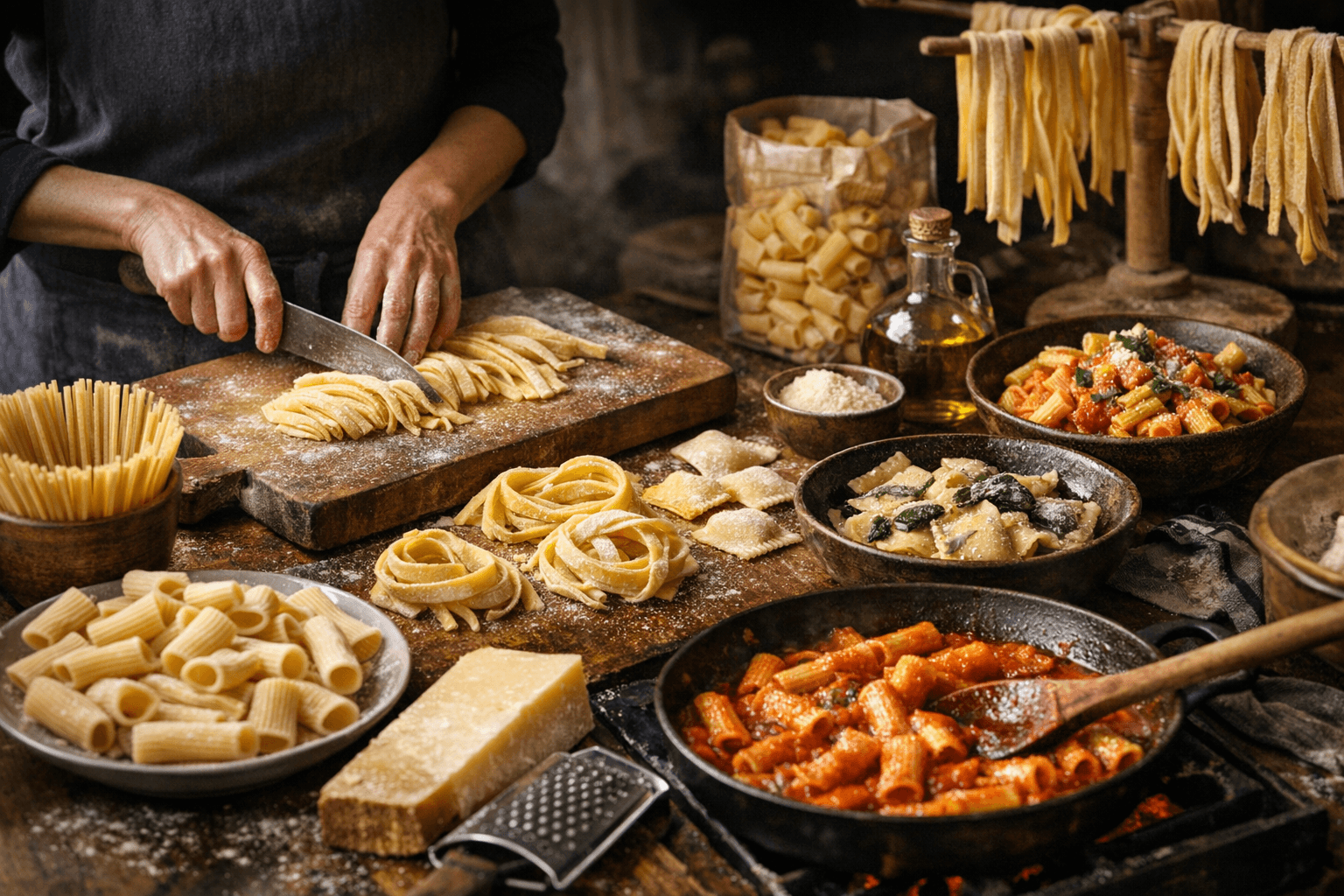
Long, ribbon noodles like tagliatelle, pappardelle, and fettuccine shine with emulsified or light cream sauces because their flat surfaces help trap glossy sauces and aromatics; they’re perfect for butter, olive oil emulsions, and lighter meat sauces that cling across a broad surface. Short, ridged, or tubular shapes, rigatoni, penne rigate, ziti with ridges, and shells, are built to catch chunky ragùs, vegetable confits, and meat pieces in their crevices, so the sauce lives inside the pasta as well as outside it. Small shapes and little pipes work best with soups and baked pasta dishes where bite-sized portions and sauce distribution matter; think about texture, not just tradition, when matching noodle to sauce.
5. Dough types and when to use each
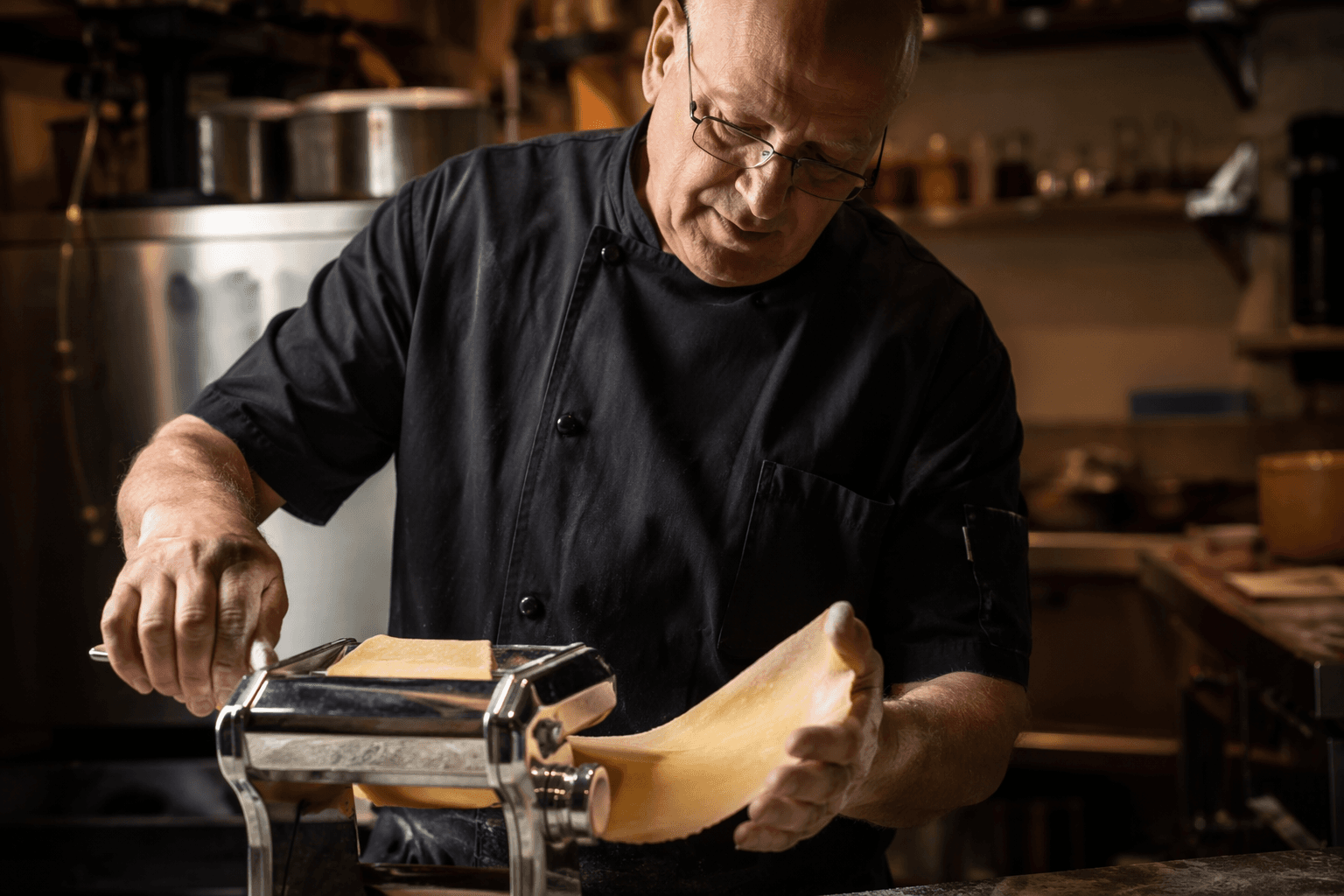
Dried durum/semolina pasta is made from coarse durum wheat and delivers that classic al dente chew and structural integrity, use it for baked pastas, tossed dishes with robust sauces, and recipes where you want the pasta to hold up to stirring or long cooking. Fresh egg pasta, often made with softer flours and eggs, produces a tender, delicate sheet that’s ideal for stuffed pastas, delicate seafood sauces, or simply dressed with butter and fine cheese. If a recipe calls for a nuanced sauce, choose fresh; when the sauce is assertive or there’s long cooking, opt for dried durum for reliable texture.
6. Cooking techniques for best texture and flavor
Start pasta in plenty of well-salted water and aim for a firm al dente bite, pasta will soften slightly after you drain and toss it in sauce, so stop a minute before your ideal. Finish pasta in the pan with a ladle of the cooking water to help sauce emulsify and cling; starchy water acts as glue and balances salt and consistency. For baked dishes, slightly undercook dried pasta before assembling so it reaches perfect tenderness in the oven; for fresh stuffed pasta, cook gently and avoid overboiling to keep filling texture intact.
7. Storing and freezing fresh pasta
Fresh pasta keeps a couple of days refrigerated if tightly wrapped or stored in an airtight container; for longer storage, freeze it on a tray until firm, then transfer to labeled bags, cooking from frozen is recommended and produces the best results. To use frozen pasta, add it straight to boiling water or into a simmering sauce; it will thaw and cook quickly without becoming mushy. Proper freezing lets you batch-make filled pastas or sheets for busy nights and reduces waste while preserving flavor.
8. Smart shopping and pantry-building tips
Build a small, versatile pantry with a couple of dried durum/semolina shapes (one long, one short), one bronze-cut option, and a fresh egg pasta for special meals, this covers most saucy scenarios without clutter. When choosing brands, prioritize ingredient lists and bronze-die labeling over fancy marketing; price isn’t always the best indicator of performance, but texture and ingredient quality are. Keep a stash of good olive oil, Parmigiano-Reggiano or Pecorino, and a jar of quality tomatoes to pair with your dried shapes and elevate quick dinners.
9. Practice, community rituals, and pasta pride
Turn pasta into a weekly ritual: test one shape with one sauce, compare bronze-cut to smooth, and keep notes, local potlucks and pasta nights are perfect labs. Share results with friends, swap fresh ravioli, or host a small tasting to see how surface texture changes perception, community feedback sharpens instincts faster than reading alone. Embrace the small victories: a perfectly sauced bite is a community-validating moment and builds confidence for bolder pasta moves.
End with a practical takeaway: start your pasta pantry with a bronze-cut short tube and a long durum strand, learn to read ingredient labels, and practice finishing pasta in the pan; those three habits will level up weeknight dishes and make every sauce stick where it belongs.
This article was produced by Prism’s automated news system from verified source data, official records, and press releases, then run through automated quality and moderation checks before publishing. The system is built and supervised by the people who set the standards it runs under. Read our full AI policy.
Did this article answer your question?