The Pasta Project explores authentic Italian recipes by region
The Pasta Project turns pasta browsing into a regional map, pairing 360-plus shapes with the sauces and traditions that belong to them.

A regional map is the whole point
The smartest way to use The Pasta Project is not as a random recipe stash, but as a map. By organizing pasta by region and shape, it helps you cook with more intent and understand why a dish belongs in one part of Italy instead of another. That matters because this site treats pasta as a web of local traditions, not a single catch-all cuisine.
The result feels more useful than a standard recipe blog. You are not just deciding what to make for dinner, you are choosing whether tonight belongs to a dry shape with a regional sauce, a fresh homemade pasta, or a gnocchi dish rooted in a specific place and tradition. That is a much better way to build a serious pasta rotation at home.
What The Pasta Project is actually built to do
The Pasta Project says it features only authentic Italian recipes from every part of Italy, and it covers dried pasta shapes, homemade pasta, and gnocchi. That split gives the site real range: one visit can take you from a fast dried-pasta supper to a more hands-on handmade project without losing the thread of Italian tradition.
The site also says it has 360 or more pasta types, and most are traditionally paired with particular sauces depending on shape and region. That detail is the heart of the resource. It pushes you away from the lazy logic of grabbing any sauce for any noodle and toward the Italian habit of matching texture, history, and local ingredients with far more precision.
Another strength is that many of the recipes are presented as dishes with histories that go back hundreds of years. That gives the archive a different feel from a modern food site trying to chase trends. It reads more like a living reference point for cooks who care about where a pasta came from before they care about how fast it gets to the table.
Jacqui Debono built it as a personal pasta quest
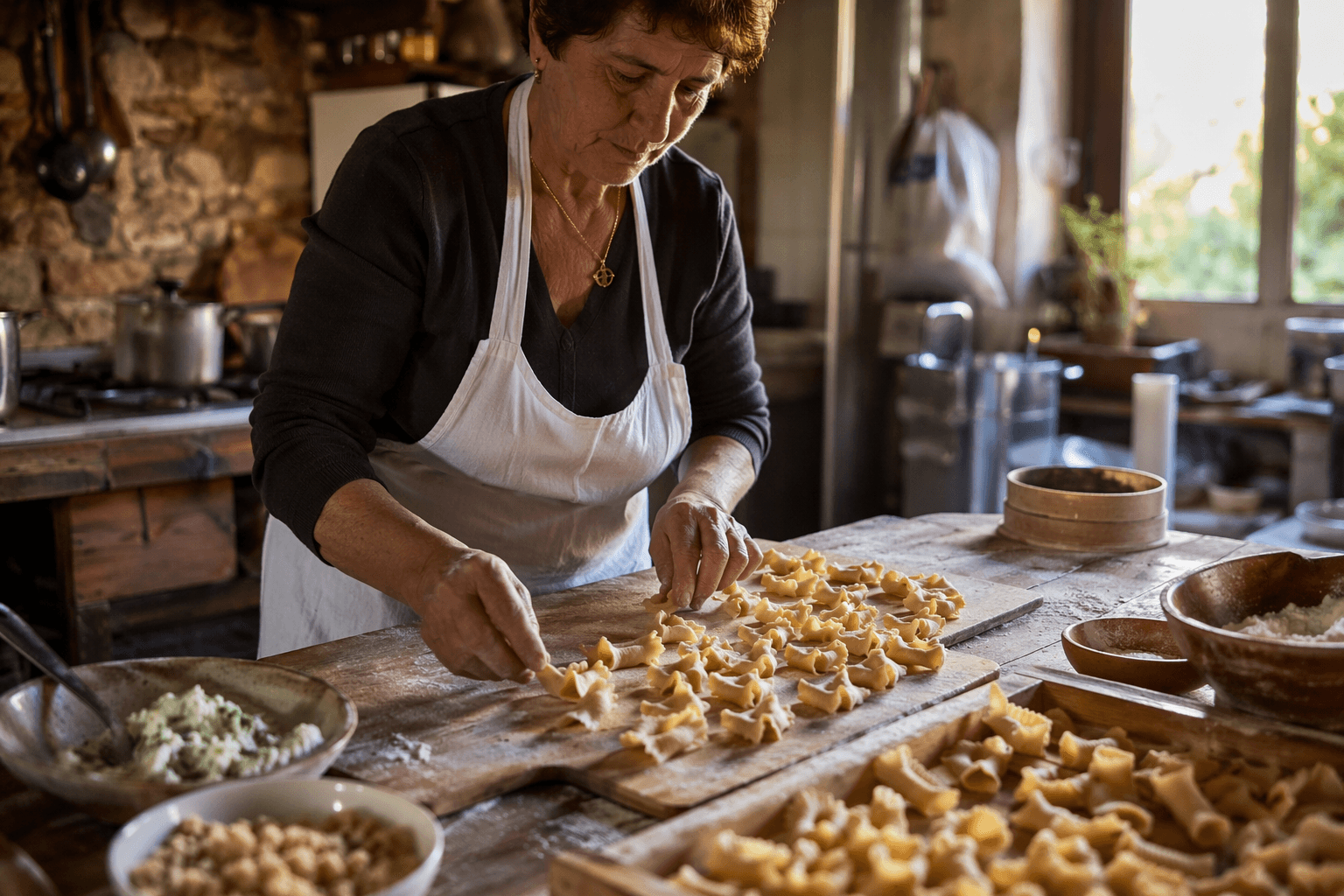
Founder Jacqui Debono frames The Pasta Project as a personal undertaking to try every single type of pasta available across Italy. That origin story explains why the site feels so broad but still so specific. It was sparked after she moved to Italy and started noticing the sheer variety of pasta dishes in homes, restaurants, and cookbooks.
That perspective matters because it keeps the project grounded in lived experience. Debono describes the blog as covering recipes, history, and information about pasta from region to region, and that mix is exactly what gives the site its shape. You are not just getting instructions; you are getting context about why one pasta belongs in one place and another one belongs somewhere else.
For readers who like to go deep, that approach is the real draw. It is the difference between cooking a bowl of pasta and understanding the family tree behind it.
The regional browsing is where the site becomes useful
The site organizes recipes by Italy’s regions so you can browse regional pasta traditions directly. That means you are not forced to search by ingredient alone or settle for generic categories that flatten Italy into one kitchen. Instead, you can move through the country the way a cook would, region by region, discovering how local agriculture and local taste shape the plate.
Campania is one of the clearest examples. The site describes it as agriculturally rich and identifies Naples as the birthplace of pizza margherita and spaghetti with tomato sauce. It also points to pasta alle vongole, spaghetti alla Nerano, and pasta al limone as dishes that grew from that same culinary landscape.

Campania also stands out for production, not just recipes. The site says Naples and the rest of Campania are home to many popular pasta recipes and high-quality artisan pasta producers, and that dried pasta has been made there for more than 500 years. That is the kind of detail that turns a recipe page into a cultural clue: the region is not just famous for eating pasta, it has been shaping the craft for centuries.
Why some regions feel more like a lesson than a list
Emilia-Romagna gets its own strong identity on the site. It is described as the agricultural heart of Italy and, for many people, the epicentre of Italian cuisine. That framing makes sense in a pasta resource built around regional detail, because Emilia-Romagna has long been associated with rich cooking, serious pantry depth, and the kind of tradition that makes pasta feel foundational rather than decorative.
Rome and Lazio take a different route. The site links them with some of the best-known pasta dishes, including recipes with ancient origins. That contrast is exactly what makes The Pasta Project compelling: one region may be defined by agricultural abundance, while another is read through a set of iconic dishes with deep historical roots.
Other regions in the archive, including Piemonte, Abruzzo, and Veneto, reinforce the same idea. Pasta in this framework is never just pasta. It is a regional signature, and each collection helps you see how local identity shapes the bowl.
The shape logic is as important as the region
One of the most useful ideas on the site is that most pasta shapes are traditionally paired with specific sauces. That sounds simple, but it is where a lot of home cooking goes wrong. A shape is not only a vehicle for sauce; it is part of the dish’s identity, and The Pasta Project keeps reminding you of that.
Spaghetti is the clearest example. The site says it is the world’s favourite dried pasta, and that Italians make 1 in 5 pasta dishes with spaghetti. That explains why it shows up everywhere, but the regional lens keeps it from feeling generic. In Campania, for instance, spaghetti is tied to tomato sauce and to dishes that grew from a deeply specific local food culture.
This is what makes the resource worth returning to. You can use it to find a classic shape, a seasonal vegetable pairing, a regional sauce, or a handmade pasta you have not tried before, and each path teaches you something about Italy’s cooking geography.
A better way to browse pasta, and a better way to cook it
The Pasta Project works because it treats pasta like a map of Italy rather than a catch-all category. The regional structure, the 360-plus pasta types, the mix of dried, fresh, homemade, and gnocchi recipes, and the attention to history all push the same idea: pasta tastes better when you know where it comes from.
That is the lasting appeal here. You start by looking for a recipe, and before long you are thinking like a traveler with a pantry, moving from Campania to Emilia-Romagna to Rome and Lazio with a better sense of why each dish belongs where it does.
This article was produced by Prism’s automated news system from verified source data, official records, and press releases, then run through automated quality and moderation checks before publishing. The system is built and supervised by the people who set the standards it runs under. Read our full AI policy.
Did this article answer your question?