The secret to better pasta salad is a stronger dressing
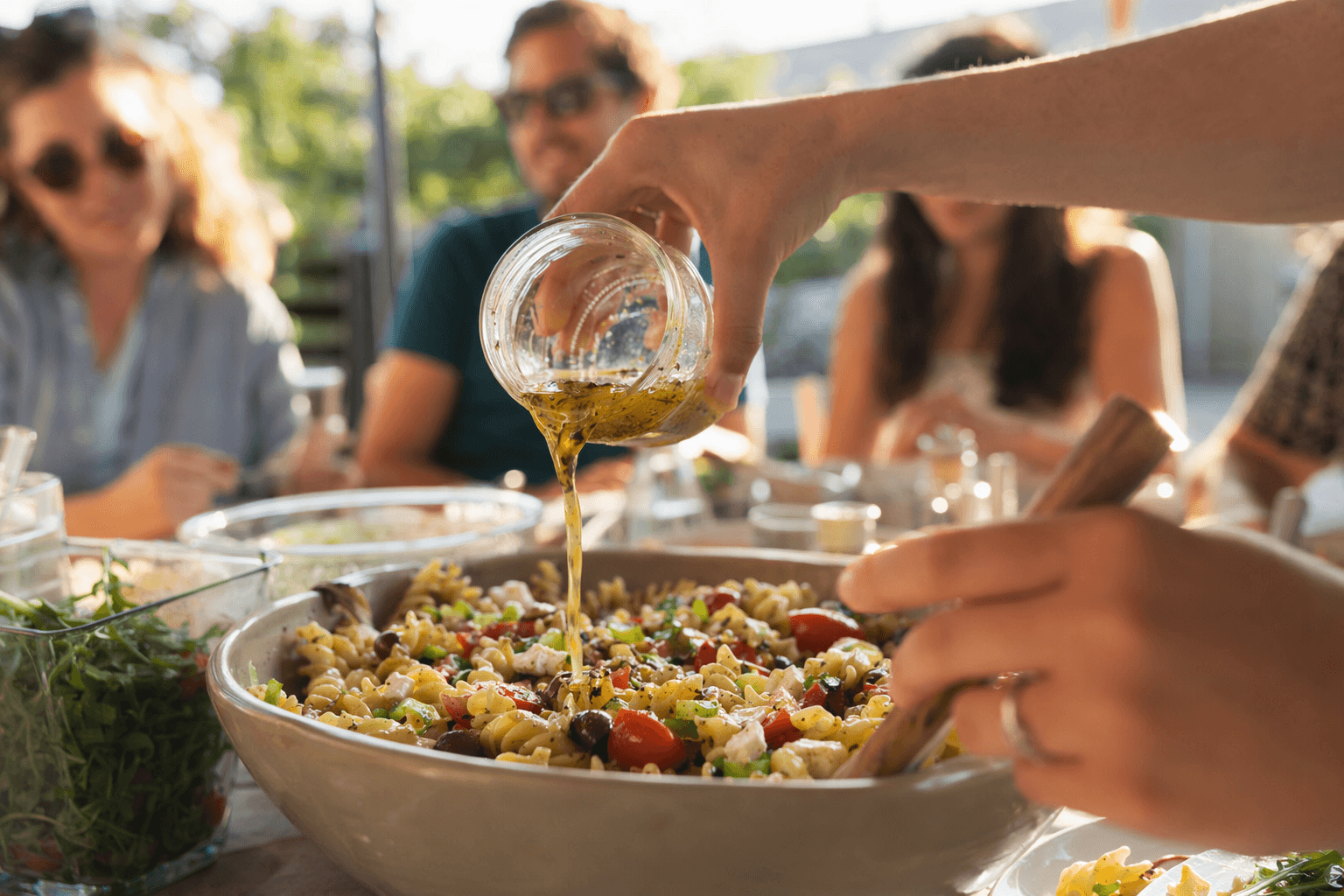
Most pasta salad problems start with weak dressing. A 1:1 oil-and-vinegar base, plus a second dose before serving, keeps the bowl bold.
Why pasta salad goes wrong
The best fix for a disappointing pasta salad is usually not another add-in, it is a stronger dressing. That is the core idea behind The Kitchn’s approach: pasta salad fails when the dressing is built like a leafy-green vinaigrette, because noodles need more power to stay seasoned as the bowl sits.
That matters because pasta drinks up flavor. The Kitchn says pasta salads can turn dry and less flavorful as the pasta absorbs dressing over time, which is why a bowl that tastes punchy at first can seem flat by the time it reaches the picnic table. If you have ever faced a greasy, bland, or oddly sweet pasta salad at a barbecue, you have already met the problem this method is trying to solve.
Build a dressing that can season the pasta
The key move is a 1:1 ratio of extra-virgin olive oil to white wine vinegar. That is a sharper, brighter balance than the classic 3:1 oil-to-acid ratio that The Kitchn says can taste dull or oily in an all-purpose vinaigrette. For pasta salad, the point is not just coating the noodles, it is seasoning them with enough acid and fat to carry the whole bowl.
The dressing itself is built for impact: red onion, garlic, fresh parsley, dried dill, and Dijon mustard join the oil and vinegar. Those ingredients do more than add flavor notes, they give the dressing backbone, savoriness, and a little bite so it can stand up to cold pasta, vegetables, and whatever else you toss in. In practical terms, think of the dressing as the engine of the salad, not the finishing touch.
Use pasta shapes that catch the sauce
Once the dressing is right, the pasta shape becomes part of the technique. The Kitchn points to short shapes with nooks and crannies, including rotini, farfalle, fusilli, penne, shells, and orecchiette, because they trap dressing and hold onto mix-ins better than long, slippery shapes do. That makes each bite more consistent, which is exactly what a good pasta salad should deliver.
This is also why the salad can be flexible without falling apart. Choose the shape you like, then build around it with chopped vegetables, briny cheeses, cured meats, or any other mix-ins you prefer. The structure stays the same even if the flavor profile changes, so one reliable dressing can support a bright spring picnic bowl one day and a heavier summer barbecue version the next.
Balance the bowl, not just the pasta
The pasta salad formula matters as much as the dressing. The Kitchn advises planning on 1 pound of mix-ins for every 8 ounces of dried pasta, which keeps the salad from becoming a starch-heavy pile with not enough texture or contrast. It also recommends that at least half of those mix-ins be cheese, meat, or other savory ingredients, so the bowl has enough salt and depth to match the dressing.
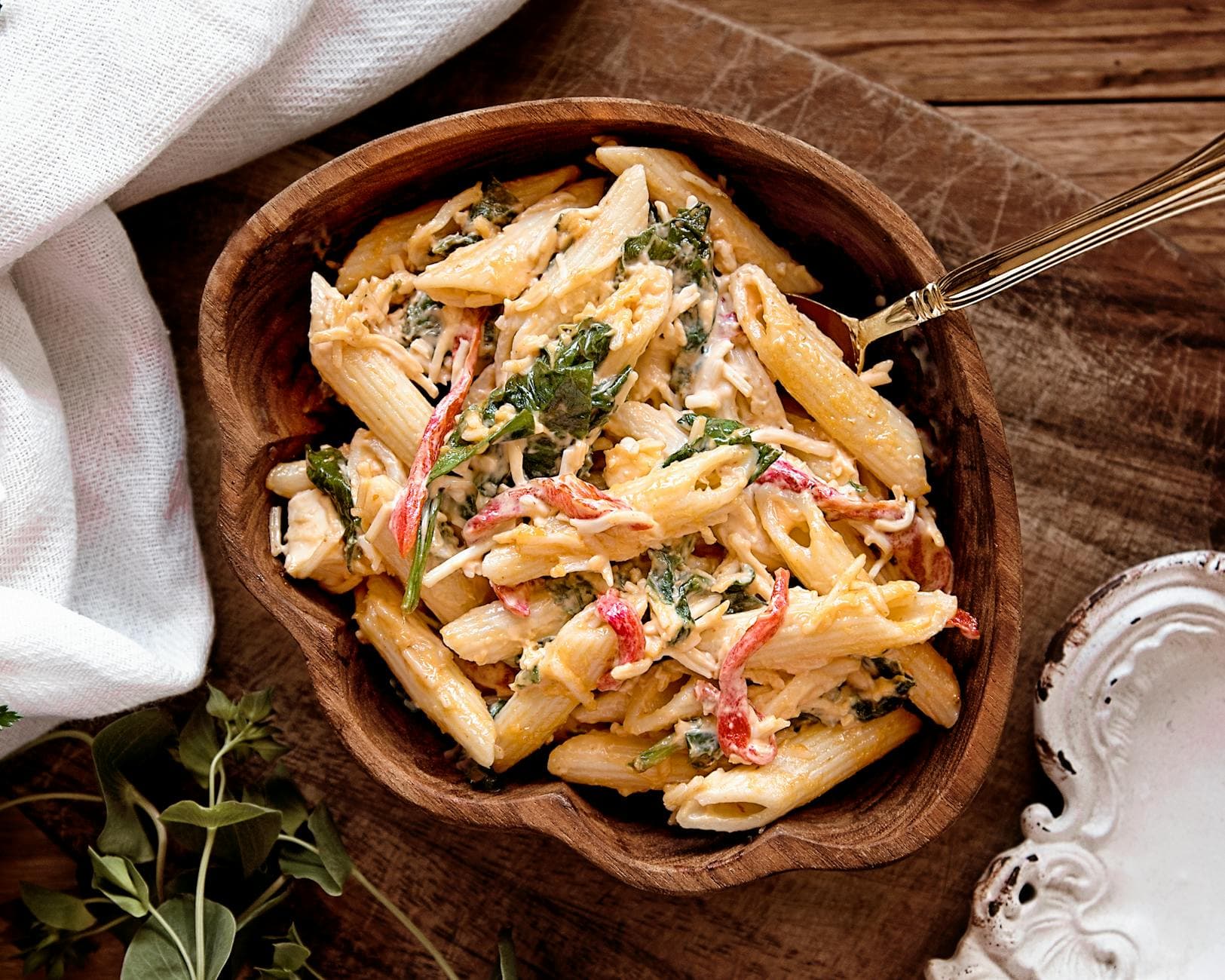
That framework explains why some pasta salads taste watery or oddly sweet. If the mix-ins are mostly vegetables and the dressing is timid, the whole dish can drift toward blandness. The Kitchn’s suggested batch size of about 3/4 cup of dressing gives you enough liquid to coat the pasta properly without drowning the salad, and that is a useful starting point if you want to improvise without losing control of the balance.
Dress it twice for better flavor
One of the most useful lessons in Kitchn’s broader pasta-salad coverage is simple: dress the salad twice. Add dressing when you first toss the pasta, then reserve some to stir in just before serving. That extra hit of acid and oil helps replace what the noodles have soaked up, so the salad still tastes fresh instead of muted after it sits.
This second dressing step is what turns the recipe from a one-time mixture into a technique you can reuse. It solves the exact problem that makes many pasta salads disappointing at gatherings: a bowl that starts bold and ends tired. With a reserve of dressing, you are not just seasoning the pasta once, you are keeping the flavor alive through the whole meal.
Keep it cold when the salad leaves the kitchen
Food safety is part of good pasta salad technique, especially at spring picnics and summer barbecues. The FDA says cold foods should be kept cold in a cooler with ice or frozen gel packs when you are outdoors, and Oregon State University Extension Service notes that potato and pasta salads are moist, protein-rich foods that should not sit out for more than two hours.
That guidance fits the style of pasta salad people actually make for gatherings. The same bowl that depends on a strong dressing also needs proper handling once it leaves the fridge, because a creamy-looking, mix-in-heavy salad can be a food-safety risk if it lingers too long in warm weather. A well-dressed salad still has to be kept cold enough to stay safe and appetizing.
Why the lesson reaches beyond one recipe
This approach matters because pasta salad sits inside a huge American pasta habit. National Pasta Association-linked figures say the United States produces 4.4 billion pounds of pasta annually and consumes 5.95 billion pounds, with Americans eating about 20 pounds per person each year. That is a lot of noodles, and a lot of chances to turn inexpensive pantry pasta into something worth bringing to a potluck.
Seen that way, the stronger-dressing argument is bigger than one recipe. It is a reminder that pasta salad is a technique problem, not just a recipe problem, and once you learn to balance acid, oil, seasoning, and absorption, the rest of the bowl becomes easy to personalize. If the first version goes flat, the answer is usually not more pasta. It is a dressing with enough strength to keep up.
This article was produced by Prism’s automated news system from verified source data, official records, and press releases, then run through automated quality and moderation checks before publishing. The system is built and supervised by the people who set the standards it runs under. Read our full AI policy.
Did this article answer your question?