Turn Home Pasta Skills into Community Dinners, Pop-Ups, and Vendor Stalls
Turn home pasta skills into repeatable community nights by recruiting a lean crew, investing in a few key tools, pricing plates to cover cost plus modest margin, and packaging the story behind your handmade pasta.
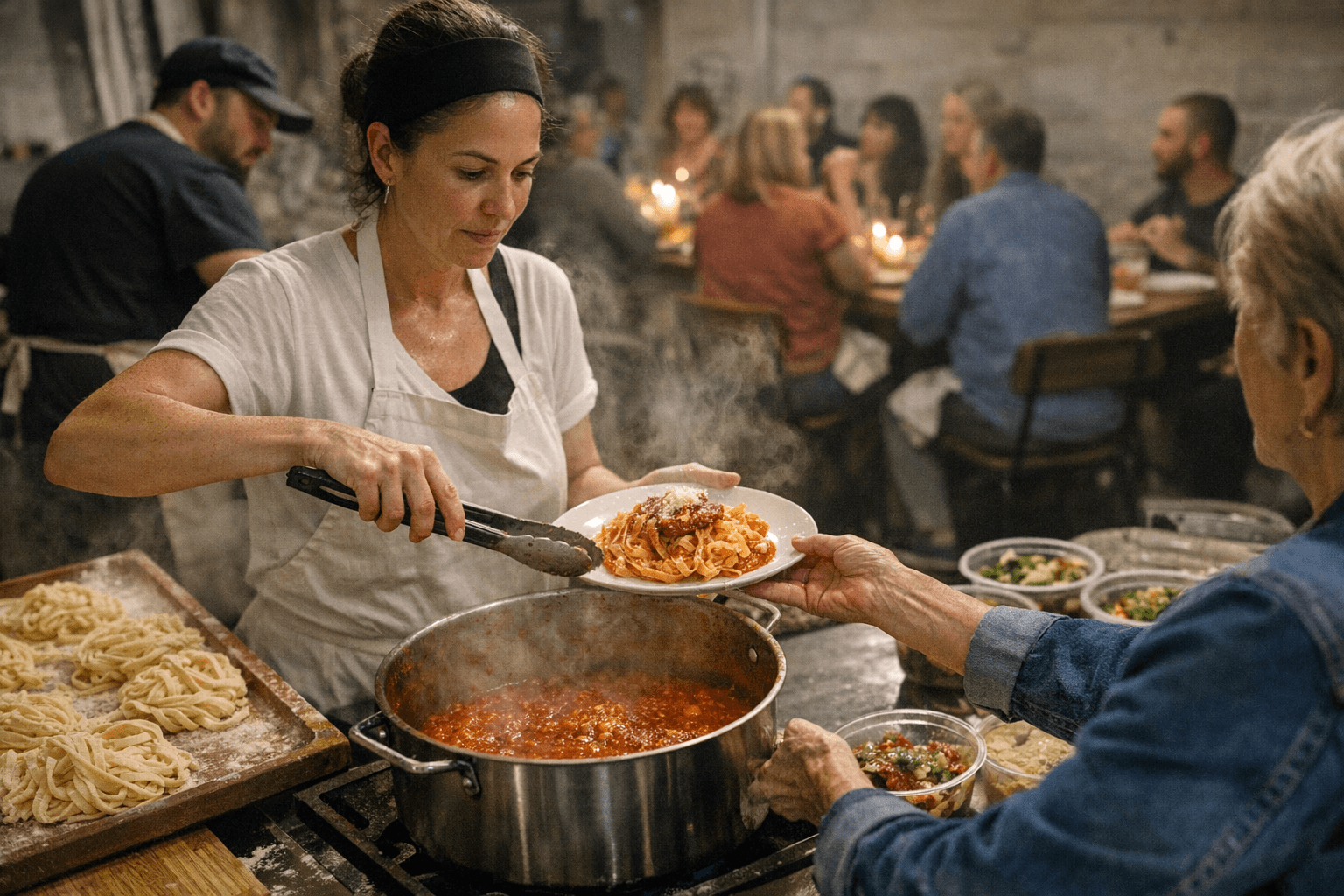
The first rule of running a community pasta dinner is that people come for the story as much as the starch: family recipes, house-made sauces, and tableside pasta presentations turn a kitchen into an event. If you admire how the Troiano family's Mamma G's expanded by leaning on handed-down techniques or how Ellen and Michael’s Osteria draws people for handmade pasta and market goods, you can translate the same levers into a pop-up or vendor stall with modest investment and careful planning.
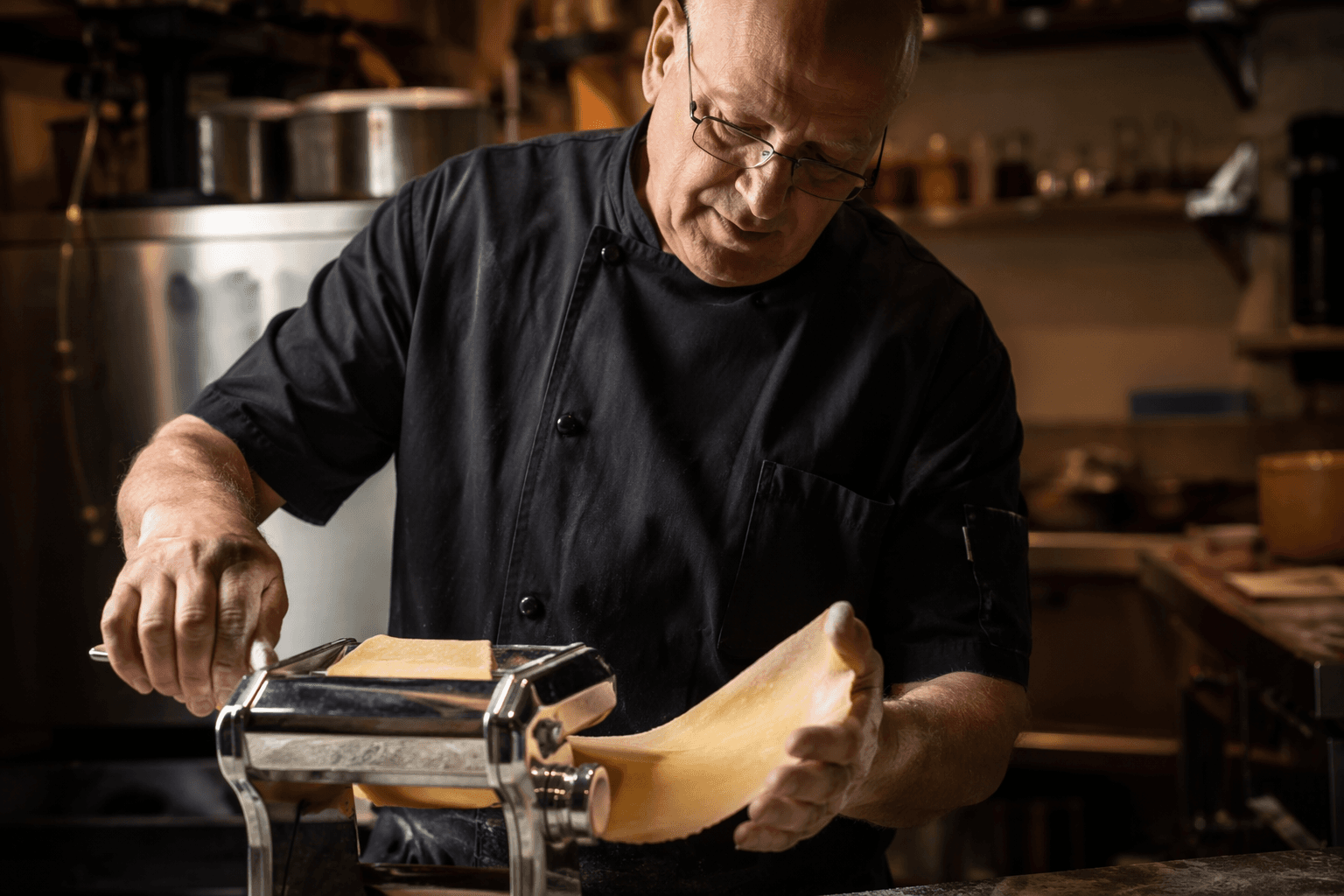
Start by defining four core roles you need to fill: the pasta maker who shapes and cooks fresh pieces, a saucier who manages house-made sauces and finishing, a front-of-house person for ordering and payment, and an expediter who keeps plated portions moving. These roles mirror the small, repeatable systems behind successful neighborhood operations such as Ellen and Michael’s Osteria & Market, where handmade pasta meets market-style service. Recruit people who bring complementary strengths: someone who loves stretching dough and someone who enjoys telling the story of a family recipe to guests. If you plan tableside pasta presentations, add a server experienced at timing fresh pasta finishes; that single role changes guest perception more than an extra oven ever will.
Menu design: keep it focused and scalable Design a menu of three to five plates that showcase your strengths: one ribbon pasta with a signature house-made ragù, one filled pasta that highlights a family filling, a simple aglio e olio or bottarga option that scales, and a veg-forward choice. Handmade pasta and house-made sauces are labor and flavor anchors, so minimize daily complexity by rotating weekly features rather than offering a huge menu. Packaging those rotating features as a "family recipe" or "tableside finish" creates the kind of sensory detail that readers and diners respond to. Keep portion sizes consistent so your cooks and your cost calculations stay predictable.
Equipment and supplies that matter You do not need a commercial pasta machine to start, but invest in a few items that change yield and speed: a sturdy bench or folding table for rolling and shaping, a pasta sheeter or hand-crank machine for consistency, one induction or gas burner strong enough to keep a 20-quart pot rolling, and a hotel- or restaurant-grade colander that lets you handle multiple portions without overcooking. For vendor stalls or pop-ups, durable cambro storage, labeled squeeze bottles for sautéing sauces, and an insulated carrier for cooked pasta are essential. These pieces echo the practical setups used by small kitchens that go from home to market: they prioritize repeatability and food temperature control over expensive aesthetic gadgets.
Supplies and ingredient logistics Sourcing consistent flour, good olive oil, and reliable fillings will decide whether dishes taste like heirloom recipes or inconsistent attempts. Buy flour in 25-pound bags when you plan a regular pop-up schedule; that item alone reduces per-plate cost compared with buying retail bags. For house-made sauces, plan batch sizes in advance and use vacuum-sealed portions to preserve flavor and reduce waste. If you plan to offer tableside pasta presentations, prep mise en place so the finishing components—grated cheese, herbs, infused oils—are within arm’s reach and safely stored, ensuring the guest sees the craft without waiting.
Pricing plates so your math works Price plates by starting with a cost-plus model: total the ingredient cost per plate, add labor minutes converted to hourly wage, include a per-plate allocation of fixed costs such as gas and equipment amortization, then add a margin for overhead and a modest profit. For a community dinner that emphasizes handmade pasta and family recipes, diners expect to pay a premium for craft: think of pricing bands that reflect that story while keeping value in mind. Build in options like a lower-cost simple pasta or a premium plate with a tableside finish to capture both budget-conscious and experience-seeking diners. Track sales by plate for at least three events to refine pricing; in many small operations the best insights come from three repeat nights, not a single event.
Permits, food safety, and venue considerations Whether you host a community dinner in a church hall, a backyard, or a farmer’s market stall, confirm local food handling requirements. Use cooled transport for pre-cooked sauces, maintain hot holding above 135 degrees Fahrenheit, and have a thermometer at the ready. Many successful home-to-pop-up transitions prioritize liability coverage and a food handler certificate for at least one team member; this reassures venues and guests and mirrors the professional standards behind reputable neighborhood operations. If you plan a weekly market or vendor stall, factor in local vendor licensing and a simple hand-washing station or compliant sanitizer protocol.
Service flow and the guest experience Choreographing flow turns good food into a memorable night. Set a service cadence: clear arrival and seating, an amuse or small shared plate to start, staggered pasta plating to protect freshness, and a clear exit flow if you operate a pop-up where turnover matters. Use one person as expediter to call plates and maintain timing; this role creates the kind of polished finish that makes handmade pastas feel restaurant-grade. Include one sharable moment—tableside tossing of cacio e pepe or a dramatic grating of aged cheese—and you create an image guests are likely to photograph and share, improving the 5.1 percent share rate.
Marketing, storytelling, and community ties Tell the story behind the food: the family recipe, the producer of the flour, the reason you prefer a 60-minute dough rest. Use those details in your event listings and on-site signage to make dishes feel personal rather than transactional. Tie into existing calendars—church suppers, neighborhood association meetings, or farmers markets—so you tap into established foot traffic. Reference local examples of success, such as the Troiano family expanding with a second location because people loved the backstory, as proof that narrative sells food.
Scaling and next steps If the night sells consistently, consider incremental investments: a dedicated pastry chef for desserts, a second burner to double boil times, or a small refrigerated unit for vendor stalls. Track your numbers and repeat items that hit both palate and margin; handmade pasta and house-made sauces will often carry higher margins than you expect when waste is controlled. Plan for the long term by documenting recipes, yield tables, and service scripts so you can train others quickly and preserve the voice of the food as you grow.
Final thought Turning home pasta craft into a community dinner, pop-up, or vendor stall is a blend of a lean team, a few well-chosen tools, clear pricing, and an authentic story. When you center handmade pasta, house-made sauces, and a single sharable moment—those sensory details that people photograph and talk about—you build the kind of night that moves beyond one-off success into a repeatable gathering that neighbors remember.
This article was produced by Prism’s automated news system from verified source data, official records, and press releases, then run through automated quality and moderation checks before publishing. The system is built and supervised by the people who set the standards it runs under. Read our full AI policy.
Did this article answer your question?