Tutoni’s proves standout pasta dining thrives in downtown York
Tutoni’s shows why York can still pull off a serious pasta destination: scratch-made noodles, seasonal menus, and a dining room built to reward the trip.

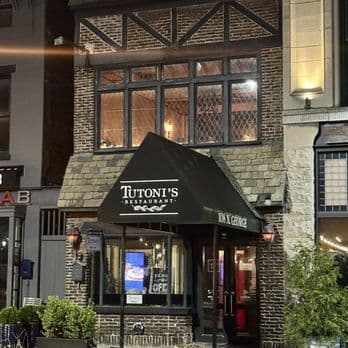
Tutoni’s has the kind of pasta program that usually gets talked about in bigger food cities, then quietly pulls it off on 108 N. George Street in downtown York. The restaurant has been there since 2014, and the case for going is straightforward: house-made pasta from scratch daily, a menu that changes with the seasons, and a dining room that treats dinner like an occasion instead of a stopgap. The result is a restaurant that feels less like a neighborhood Italian spot and more like a destination you plan around.
Why this room stands out
Tutoni’s sells itself as “scratch, farm to table italian in the heart of downtown york,” and that is not just branding polish. The restaurant opens Monday through Saturday from 4 p.m. to 9 p.m., which gives it a deliberate dinner-only rhythm and makes reservations or early planning feel like part of the experience. Its business paperwork for Tutoni’s Restaurant & Vintage Wine Bar was filed on March 4, 2014, matching the long run it has built in the city.
That longevity matters because Tutoni’s is not leaning on novelty. It has lasted by making the meal feel layered: food, wine, cocktails, and the kind of service that turns a weeknight pasta dinner into a proper outing. In a market full of places trying to look upscale, Tutoni’s seems more interested in making the details add up.
The pasta is the point, but not the whole story
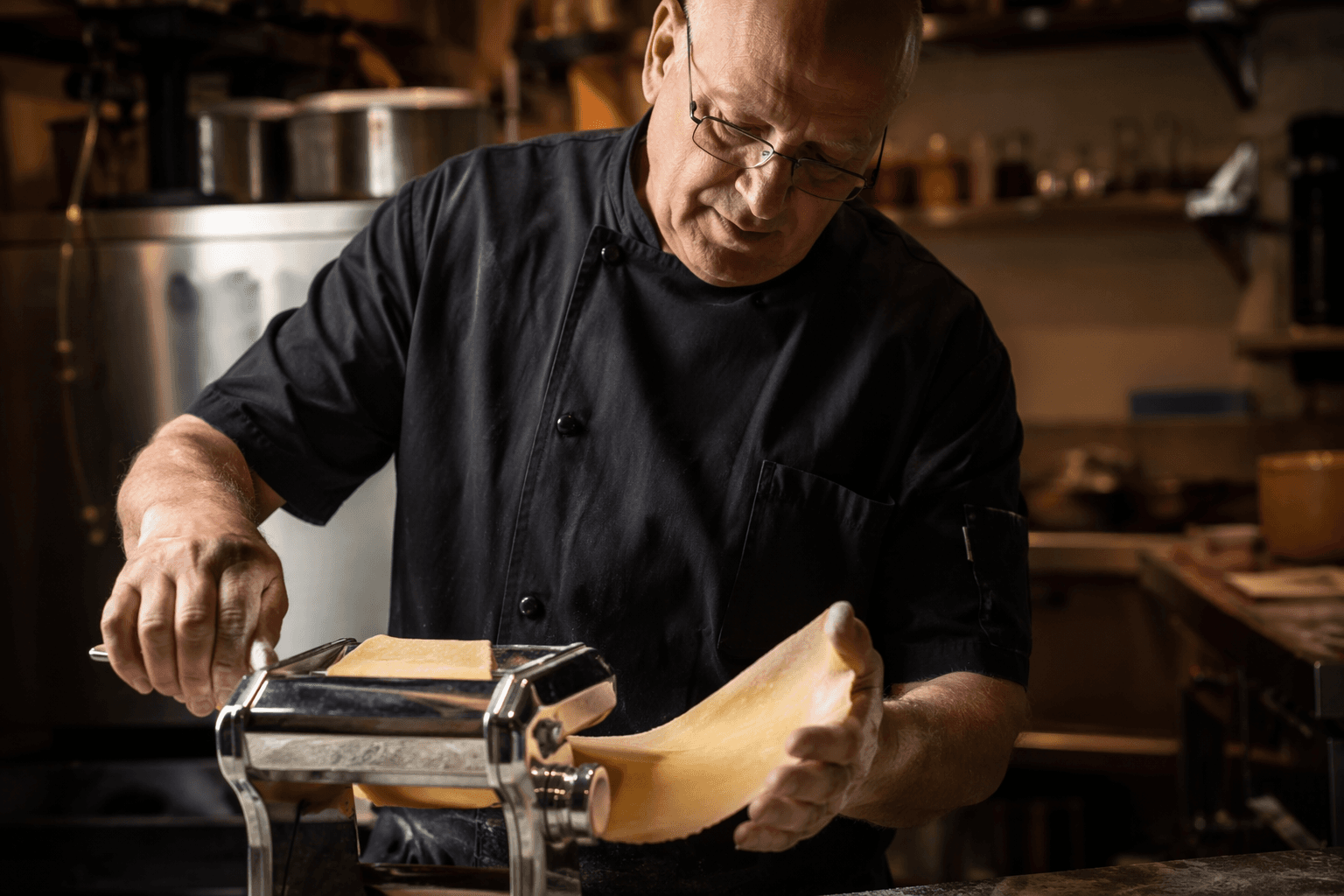
The strongest reason to go is still the pasta. Tutoni’s says its house-made pasta dishes are made from scratch daily, and that single detail separates it from the many Italian restaurants that treat pasta as one menu category among many. Here, the pasta program feels like a craft statement, the sort of thing that rewards repeat visits because the kitchen can change shape with the season and still keep the technique intact.
That approach also changes the way the meal lands. Instead of a static menu built around the same red-sauce anchors year-round, Tutoni’s uses its pasta to carry more ambitious ideas. The restaurant’s own materials point to “new spins on traditional Italian standards,” which fits the way serious pasta places usually work: keep the form recognizable, then let the fillings, sauces, and produce do the talking.

Seasonal menus and local sourcing do the heavy lifting
Tutoni’s leans hard on local sourcing, and that is part of why the restaurant feels rooted rather than imported. Its menu page says it works with local farms and farmers, and that each seasonal menu emphasizes the best of the region’s agricultural scene. That means the kitchen is not building around a frozen idea of what Italian food should be in July, January, or October. It is building around what the region can actually give it.
The about page gives a concrete example of that sourcing through Brogue Hydroponics, whose greens show up in the salads, and the restaurant says its seasonal entrées shift with the weather. Spring and summer dishes differ from the colder months, which matters because it shows the kitchen is willing to let the menu move instead of forcing the same plates all year. For pasta fans, that usually signals a better restaurant: one with enough discipline to let the ingredients set the pace.
The wine and cocktail program makes it a longer night
Tutoni’s also understands that destination dining is about more than the food on the plate. Its official materials point to house-made cocktails, fresh-pressed juices, house-made syrups, and wine and cocktail classes, all of which make the place feel designed for lingering rather than rushing through a bowl of rigatoni. That is the sort of hospitality detail that can turn a good pasta spot into a place people return to for birthdays, date nights, and dinner with out-of-town guests.
O.N.E. Hospitality Group adds another layer by describing Tutoni’s as featuring a wine-by-the-ounce tasting system with 30 wines. That kind of setup is unusually specific, and it tells you a lot about the restaurant’s ambitions. This is not just about pairing a glass with dinner; it is about giving diners a way to sample and explore, which makes the whole meal feel more like an experience than a transaction.
A family story with real local roots
Tutoni’s has staying power because it is tied to a family story that reaches deep into York County’s food culture. Toni Calderone’s Sicilian immigrant family owned the first pizzeria in York County, and that history gives the restaurant a lineage most dining rooms cannot fake. The family also ran a grocery store, food truck, and donut shop, which helps explain why the restaurant feels so anchored in food-business know-how rather than trend-chasing.
Calderone opened Tutoni’s with her partner Tony, then went on to build O.N.E. Hospitality Group, which now includes 11 food and beverage brands across York and Lancaster counties. That broader footprint matters because it shows Tutoni’s was not a one-off vanity project. It became the first piece of a larger hospitality company, and that kind of durability usually comes from a clear sense of what the original place does best.
What makes it more than a solid local Italian restaurant
Plenty of restaurants in smaller downtowns serve good pasta. Tutoni’s is more interesting because it couples technique with discipline and places that work inside a restaurant that has kept its identity for more than a decade. The menu changes, the sourcing is local, the pasta is made from scratch daily, and the beverage program is built to match the food rather than just fill the glasses.
York’s tourism listing and TripAdvisor both frame the restaurant as part of the farm-to-table movement, but the better takeaway is simpler than that. Tutoni’s proves that a serious pasta restaurant does not need a major metro address to feel important. It just needs a kitchen that respects the season, a family story with roots, and enough confidence to make downtown York feel like the right place to eat very well.
This article was produced by Prism’s automated news system from verified source data, official records, and press releases, then run through automated quality and moderation checks before publishing. The system is built and supervised by the people who set the standards it runs under. Read our full AI policy.
Did this article answer your question?