UN warns wheat shortages could raise pasta prices by 2027
Fertilizer shocks and a tiny U.S. wheat crop are lining up for the pasta aisle, with semolina and boxed pasta most exposed as 2027 nears.

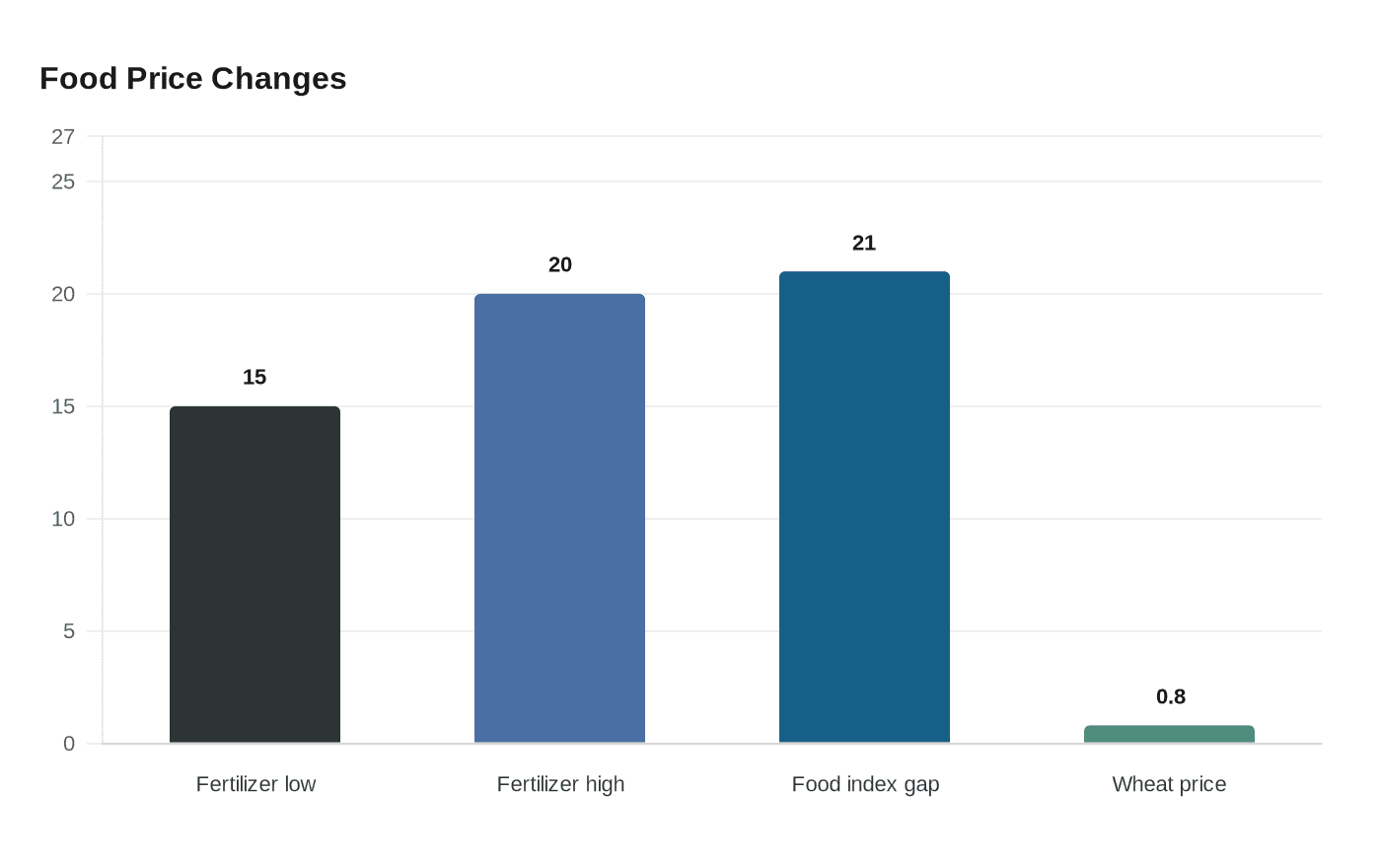
Watch the pasta aisle, not the commodities chart. The first warning sign may be a slow climb in the price of boxed spaghetti, semolina flour, and the 5-pound bags of durum you buy on autopilot, because the Food and Agriculture Organization says disruptions tied to the Strait of Hormuz could push global fertilizer prices 15% to 20% higher in the first half of 2026 if the crisis persists.
That is the pressure point home cooks need to track now. The FAO says if the disruption lasts three months or longer, the risks escalate sharply for planting decisions in 2026 and beyond. That matters because fertilizer is not just a farm input, it is the cost layer that decides whether growers stick with wheat or shift acreage into less fertilizer-intensive crops. If that happens, the next round of wheat bought by mills and pasta makers gets more expensive before it ever reaches a supermarket shelf.
The broader food market is not in panic mode yet, but it is moving the wrong way. The FAO says its Food Price Index remains about 21% below the March 2022 peak, even as world wheat prices rose 0.8% in the latest update. The agency linked that rise to drought in parts of the United States, concerns about below-average rainfall in Australia, and expectations that wheat plantings in 2026 will fall because high fertilizer prices are squeezing farm decisions. In its April 2026 market analysis, the FAO said international wheat prices increased across most origins despite generally adequate global availability.
The U.S. crop picture is the part that should make pasta buyers pay attention. USDA Economic Research Service forecasts U.S. all-wheat production at the lowest level since 1972/73, with exports pegged at 775 million bushels, down 135 million bushels from a year earlier. The U.S. winter wheat crop is at its smallest since 1972, and acreage for durum and other spring wheat is also down. USDA says wheat ranks third among U.S. field crops in planted acreage, production, and gross farm receipts, which is another way of saying this is not a niche problem for farmers in one region.
The likely result is not an overnight shortage, but a steady squeeze that shows up first in the products pasta people actually buy. Boxed pasta, semolina flour, and other hard-wheat pantry staples are the items most exposed if wheat costs keep rising into 2027. For now, the smart move is simple: treat normal shelf prices as the buy signal, because the warning is already sitting there in the grain market.
This article was produced by Prism’s automated news system from verified source data, official records, and press releases, then run through automated quality and moderation checks before publishing. The system is built and supervised by the people who set the standards it runs under. Read our full AI policy.
Did this article answer your question?