US Commerce Reduces Proposed Pasta Anti-Dumping Duties to 2%-14%, Italy Relieved
US Commerce reduced proposed anti-dumping duties on Italian pasta to 2%-14%, easing fears of big price and supply shocks for importers, retailers, and diners.
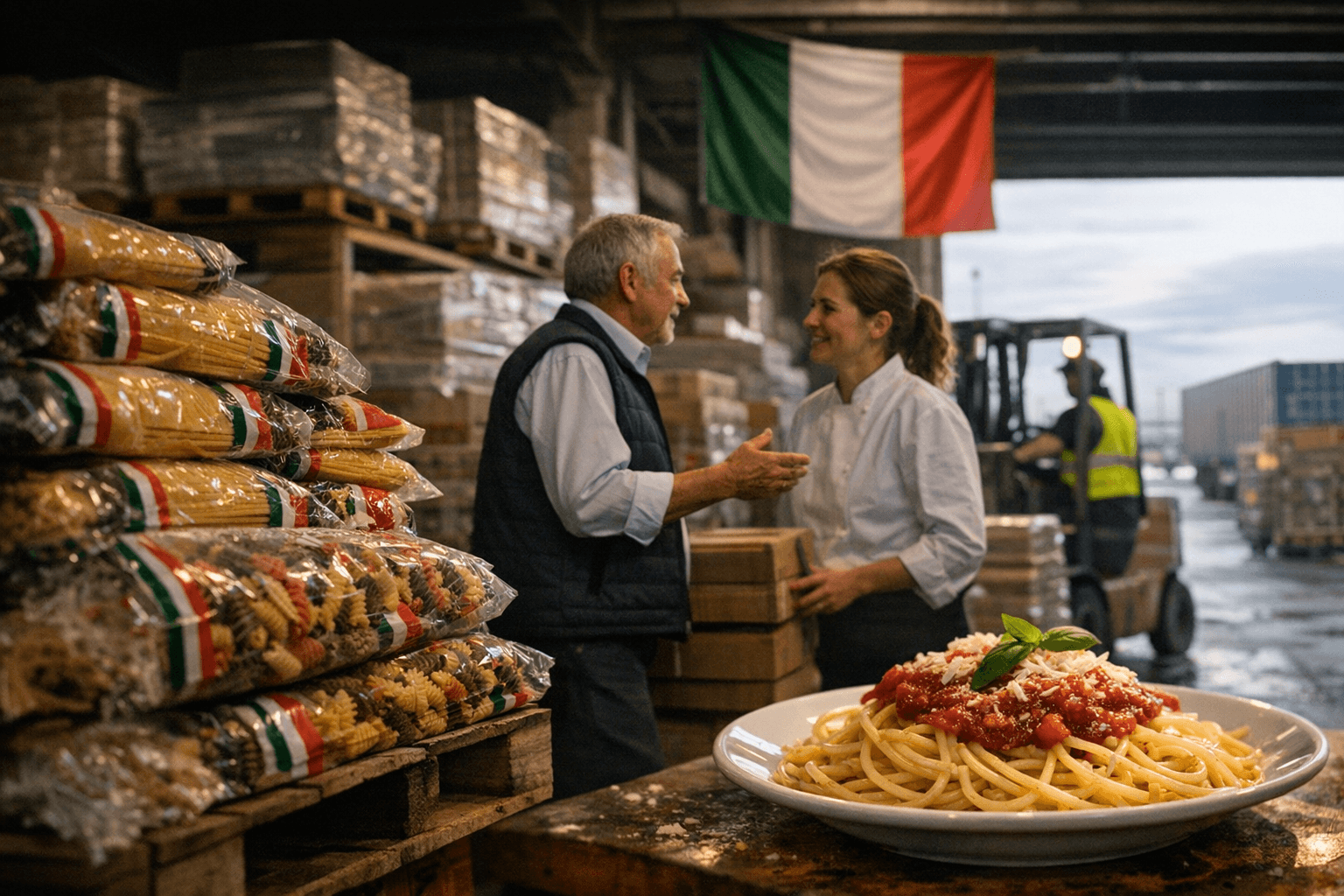
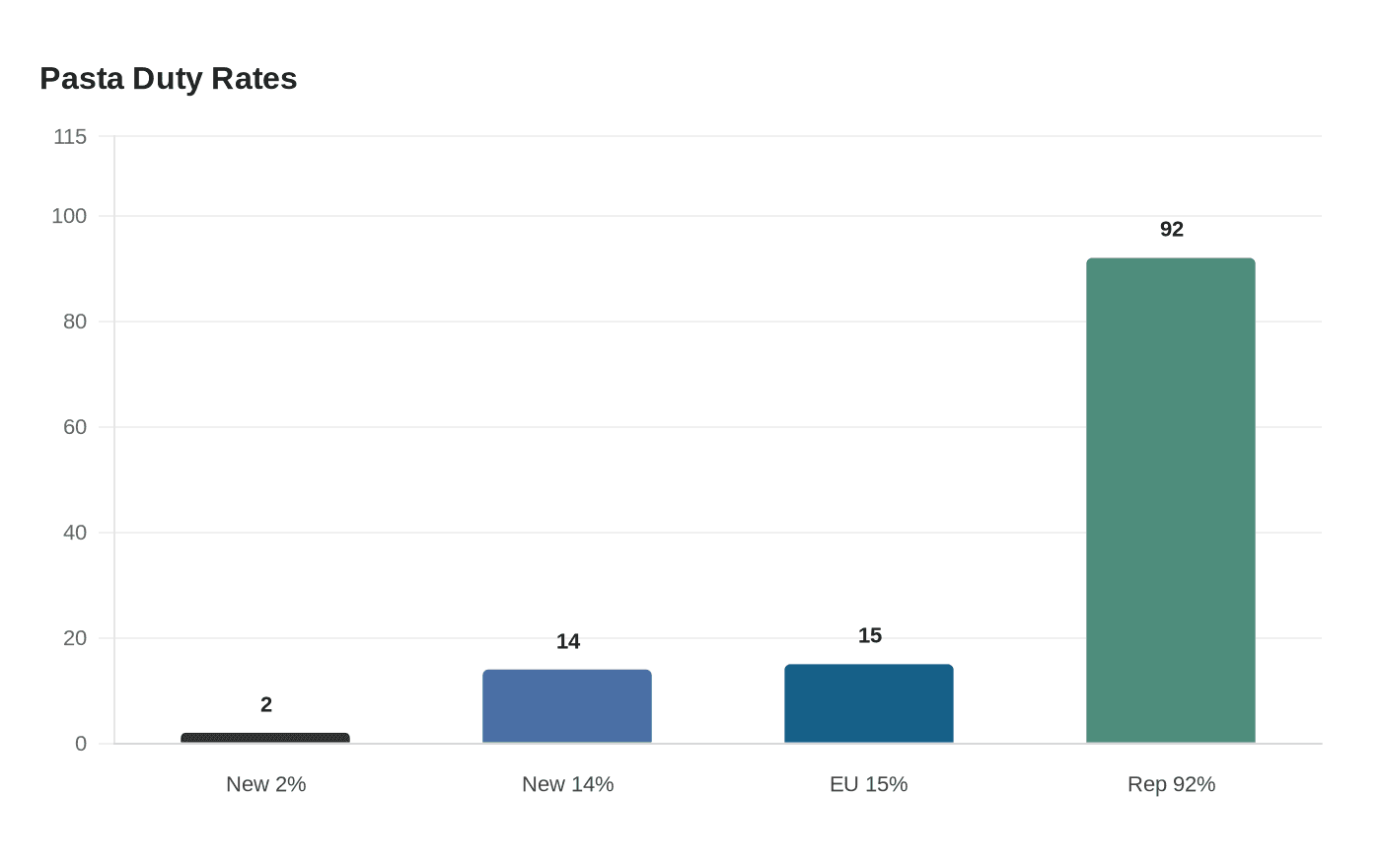
A major tariff threat to Italian pasta imports softened when the US Department of Commerce recalculated proposed anti-dumping duties and set company-specific rates in a range of about 2% to 14%. The move follows preliminary findings that alleged dumping occurred by a handful of Italian producers during the July 2023 to June 2024 window, and it removes the prospect of punitive levies that had been reported as high as roughly 92% on top of the existing 15% EU tariff.
The Department of Commerce’s adjustment came after diplomacy and industry engagement aimed at narrowing the scope of potential penalties. The preliminary proposals that sparked alarm would have pushed wholesale and retail prices sharply higher and threatened availability for supermarkets, specialty pasta shops, and restaurants that rely on classic durum-wheat imports from Italy. By trimming the proposed duty range, regulators reduced the likelihood of immediate, large-scale disruptions to supply chains and menus.
Industry observers say the new 2%-14% band still represents additional costs for importers and distributors, but it is a far gentler outcome than the earlier figures that prompted concern across the trade. The duties remain company-specific, so pasta brands and exporters will see different rates based on the Department of Commerce’s calculations. The 15% EU tariff on pasta imports would continue to apply separately, so total landed costs will depend on both the new US duties and existing EU trade measures.
Italian exporters and government officials described the recalculation as a reprieve that preserves trade flows and limits the risk of steep consumer price increases. For US buyers and foodservice operators, the immediate practical effect is breathing room to plan purchases and inventories without the panic-buying and price gouging that would have accompanied much larger levies. Specialty retailers that stock artisanal and regional pastas still face the task of checking which company rates will apply to their specific suppliers.
A formal final decision from the Department of Commerce is expected in early March. Until that ruling, importers and retailers should monitor notices from US Customs and the Commerce Department and confirm which company-specific rates will be assigned to their shipments. Pasta producers in Italy will continue to engage with US authorities and may supply additional data ahead of the final determination.
For shoppers, restaurants, and cooks, the immediate takeaway is relief: the threat of a wholesale pasta price crisis has eased from a boil to a simmer. What comes next is a definitive March ruling that will set the exact cost picture for the months ahead and determine whether importers need to adjust pricing, sourcing, or inventory strategies.
This article was produced by Prism’s automated news system from verified source data, official records, and press releases, then run through automated quality and moderation checks before publishing. The system is built and supervised by the people who set the standards it runs under. Read our full AI policy.
Did this article answer your question?