U.S. reduces proposed tariffs on key Italian pasta makers
U.S. reduced proposed anti-dumping duties on several Italian pasta makers, easing a potential price shock for U.S. shoppers and importers. Final review is expected in March 2026.
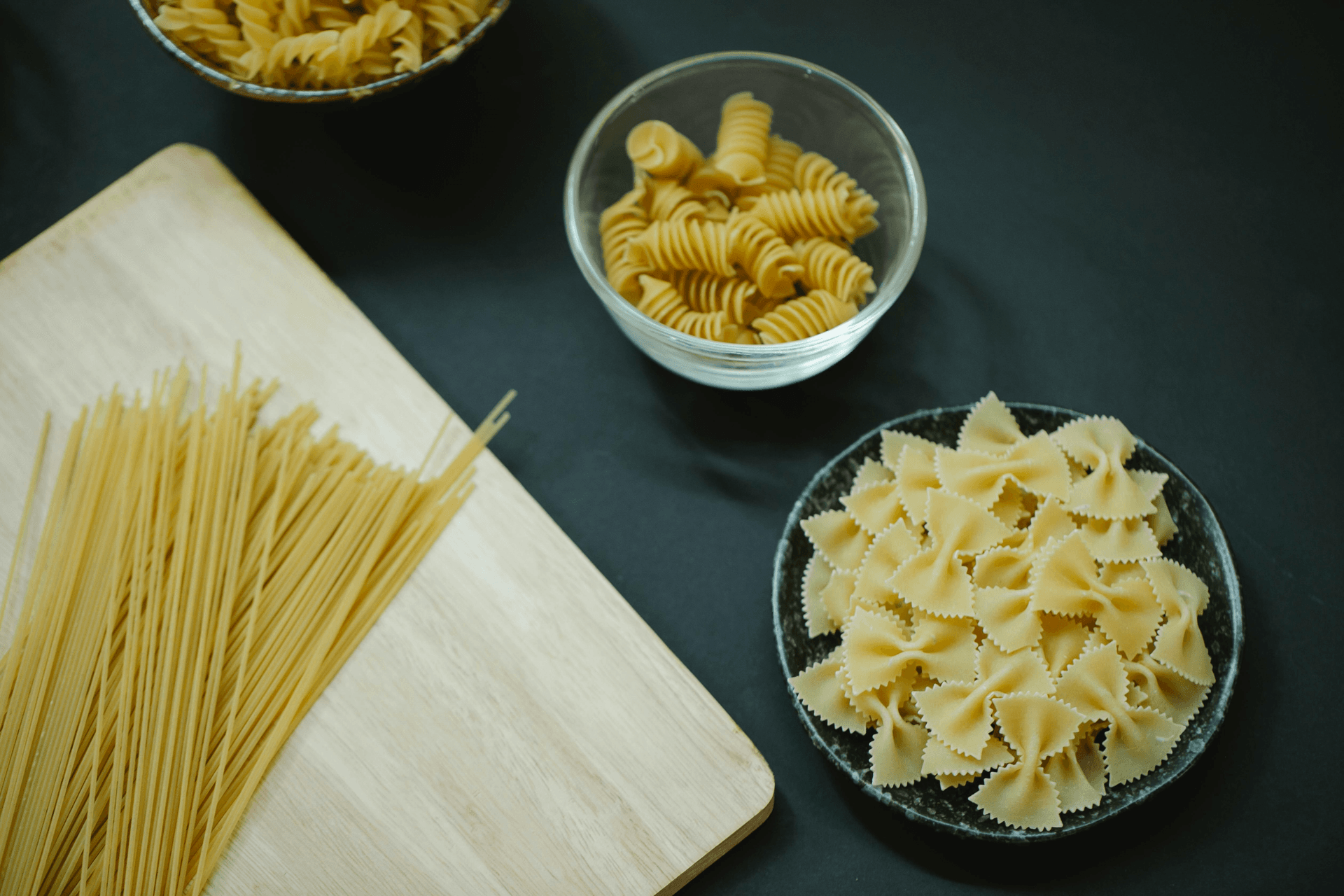
A major trade pressure point softened on January 4, 2026, when U.S. authorities significantly reduced proposed anti-dumping duties on imports from 13 Italian pasta producers. The move removes the immediate threat of the steep provisional rates first proposed in September 2025, which at their highest would have added up to 91.74% on top of the existing 15% EU tariff.
The U.S. Department of Commerce redetermined company-specific rates after industry review and consultations. La Molisana’s rate was cut to 2.26%, Garofalo’s to 13.98%, and the 11 non-sampled producers were assigned a 9.09% rate. Those figures replace the provisional burdens that, if applied, could have more than doubled retail prices of some imported Italian pasta for U.S. consumers.
For small importers, specialty grocers, and restaurants that source artisanal brands, the revised duties lower the risk of sudden, sharp price hikes that would have upended inventory valuation and menu pricing. The adjustments also ease pressure on dollar margins for distributors who had been facing worst-case scenarios when contracts and purchase orders were being negotiated late last year.
The Italian foreign ministry framed the redetermination as recognition of the companies’ cooperation and said it would continue to support businesses while the anti-dumping proceeding remains open. The Department of Commerce is expected to issue final conclusions in March 2026, leaving the pasta trade in a watchful but less alarmed position for now.
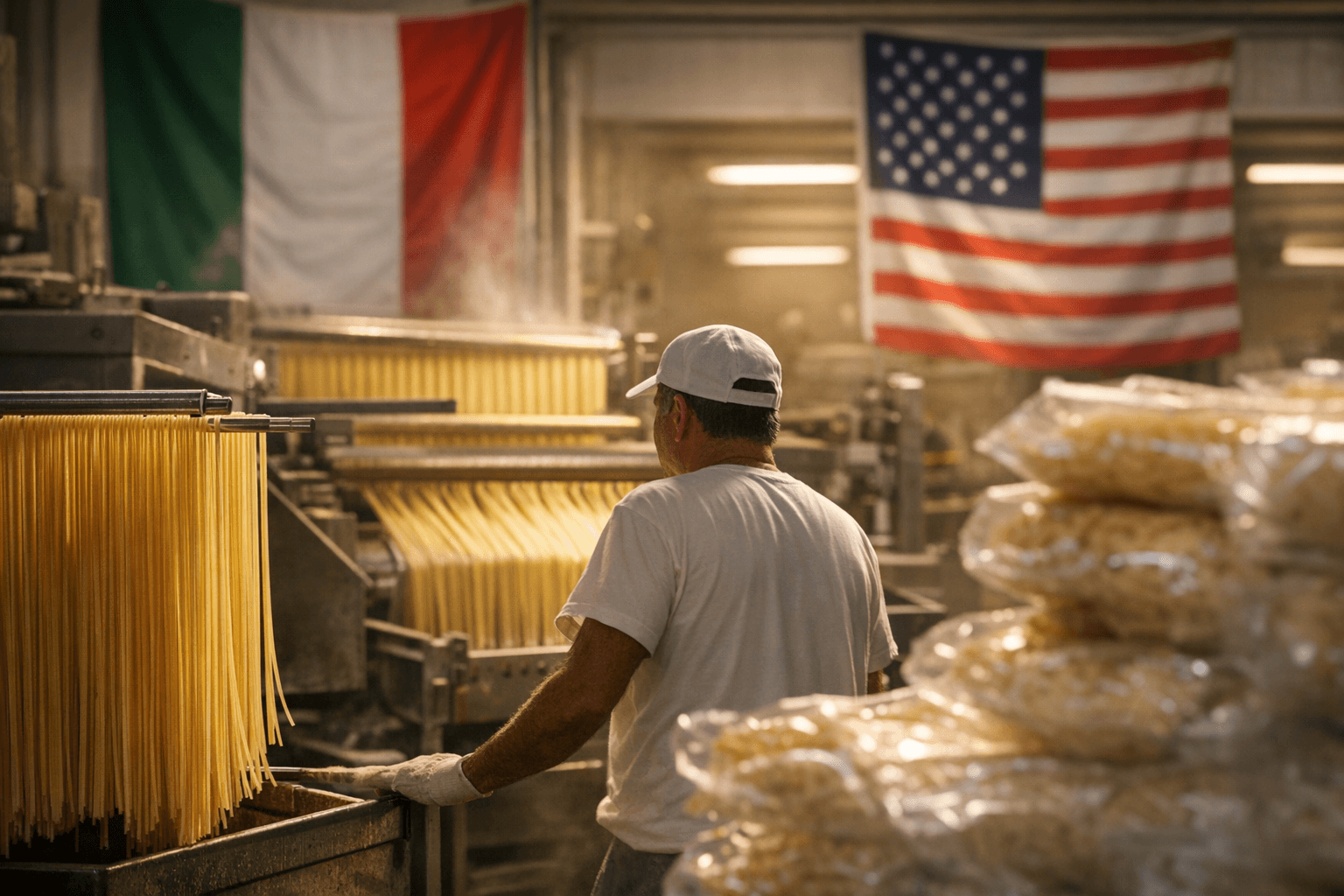
Practical implications are immediate. Retailers and buying groups should review recent invoices and landed-cost calculations to see how the new rates change price floors and supplier negotiations. Restaurateurs and caterers can pause potential menu price increases tied to the earlier provisional duties, but should keep contingency plans ready in case the March decision results in different final rates. Importers still face added costs at the revised rates, so pipeline planning and cashflow models should be updated to reflect those percentages rather than the extreme provisional numbers.
This reset also highlights the broader trade backdrop: anti-dumping cases can swing quickly and have outsized effects on niche food supply chains. For anyone who stocks or sells Italian pasta, the immediate takeaway is to double-check contracts, talk with suppliers about CIF and duty terms, and monitor the March review date closely.
Our two cents? Treat the January redetermination as a welcome relief, not a full stop. Revisit your pricing, secure supply commitments while margins are healthier, and keep a close eye on March, the final ruling will determine whether your next box of spaghetti stays affordable or gets a little saucier.
This article was produced by Prism’s automated news system from verified source data, official records, and press releases, then run through automated quality and moderation checks before publishing. The system is built and supervised by the people who set the standards it runs under. Read our full AI policy.
Did this article answer your question?