Wafrah to Start Two New Pasta Lines in January 2026, Boosting Capacity
Wafrah for Industry and Development Co. announced on January 3 that two new pasta production lines, a long-cut spaghetti line and a nested "nidi" line, are scheduled to begin commercial operations in January 2026 after logistical delays. The ramp-up is expected to show financial effects in the first quarter of 2026, a development that could affect regional supply, ingredient demand, and contract opportunities for producers and retailers.
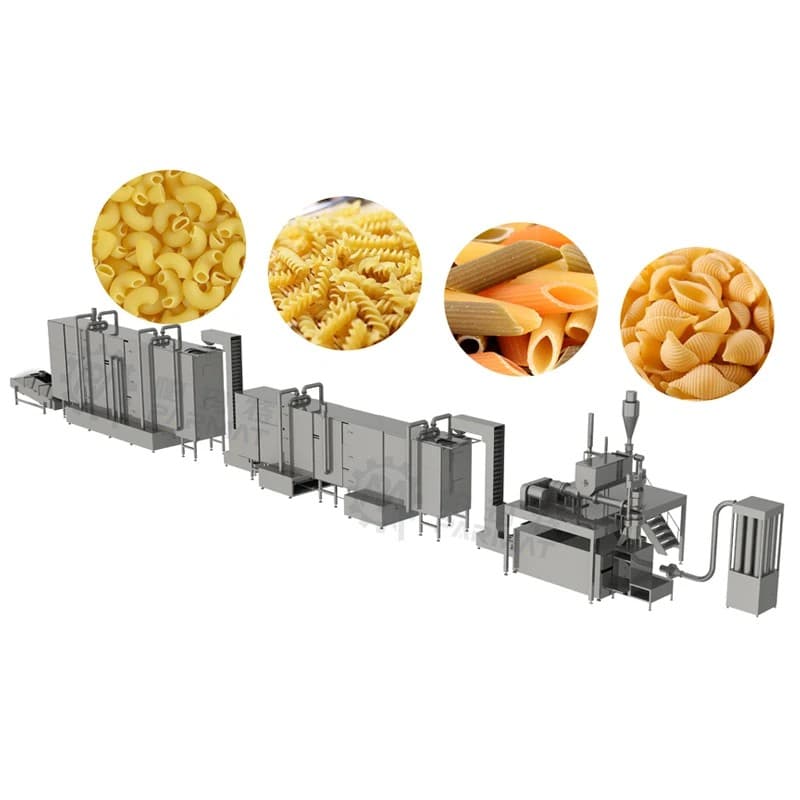
Wafrah for Industry and Development confirmed that its two new pasta production lines will enter commercial operation in January 2026, following delays tied to electrical transformer deliveries, final electrical work, and the arrival and commissioning of engineers for programming and packaging-line testing. The company said production ramp-up will begin in January and that financial impacts are expected to appear in first quarter 2026 results.
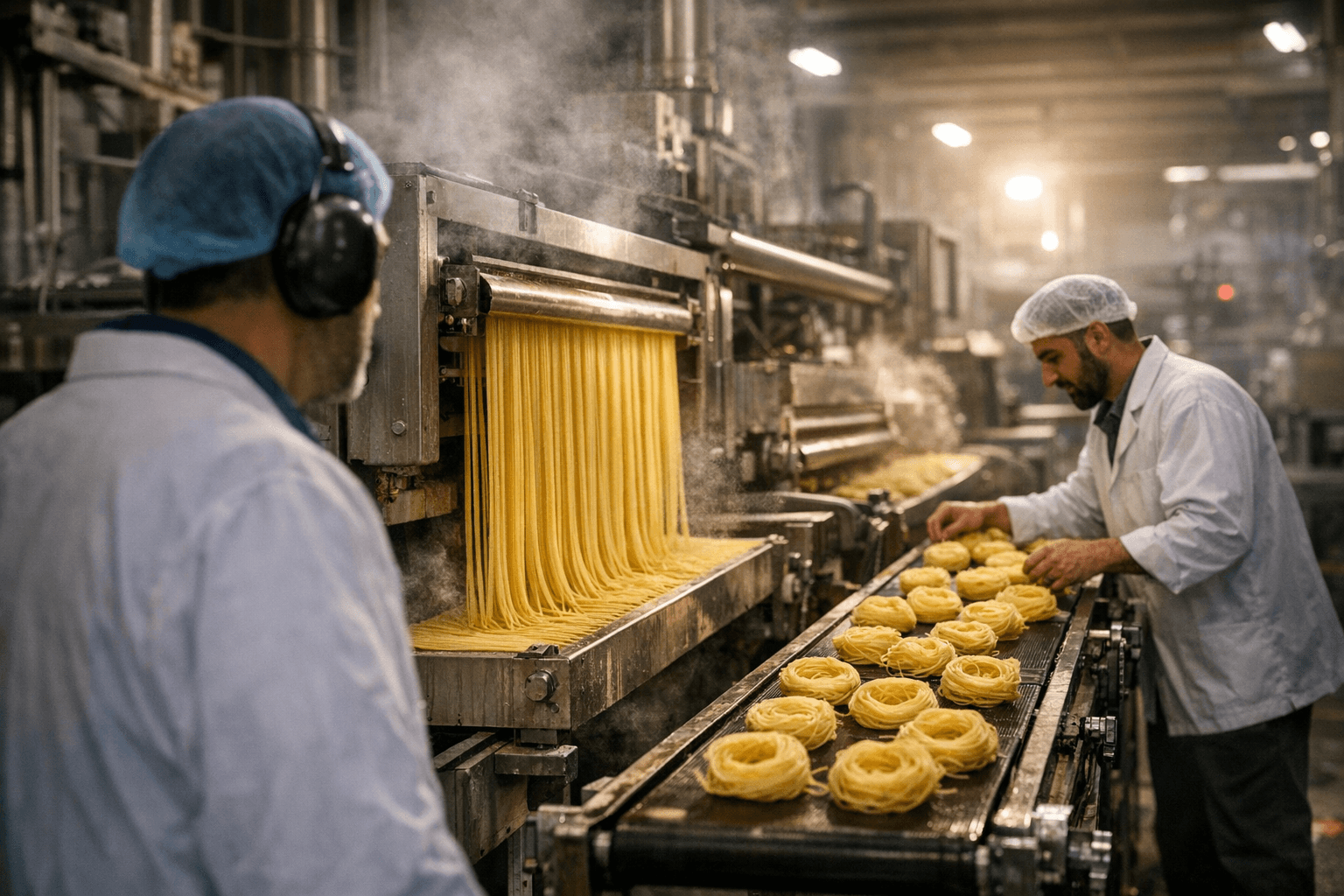
The additions are a long-cut spaghetti line and a nested or "nidi" pasta line, equipment originally contracted in 2022 under an agreement with Italy’s Pavan Group, part of GEA, worth roughly €9 million. Those machines are intended to expand Wafrah’s capacity and broaden its product mix, particularly in long-cut formats and nested specialty shapes that serve both retail and foodservice markets.
For pasta makers, millers and packaging suppliers, the timing matters. The arrival and commissioning phase required engineering teams for programming and packaging-line testing, which pushed initial commercial start later than planned. With engineers now on site and final electrical connections completed, expect a phased ramp rather than an immediate full-capacity launch. Wafrah’s disclosure indicates production will increase through January, with the commercial benefits reflected in quarterly accounts for Q1 2026.
Retailers, restaurants and wholesalers should monitor inventory and ordering cycles in the coming weeks. Increased output typically stabilizes availability and can ease short-term price pressures, but effects depend on how quickly Wafrah scales to steady-state production and on regional demand. Ingredient suppliers such as semolina mills and packaging manufacturers may see a pickup in orders during the ramp phase.
For community members tracking manufacturing and regional supply, verify contracts and delivery schedules with suppliers, and watch Wafrah’s next quarterly statements for concrete volume and revenue figures. The new lines are a clear signal of investment in local pasta capacity and product variety, and their successful commissioning will be a useful barometer for broader market stability heading into 2026.
Know something we missed? Have a correction or additional information?
Submit a Tip