WFLA Daytime Spotlights Piccola Italia Bistro Offering Step-by-Step Pasta Classes
Learn how WFLA Daytime showcased Piccola Italia Bistro’s step-by-step pasta classes, where to sign up, and practical tips to practice techniques at home.
1. WFLA Daytime spotlight overview
WFLA Daytime ran a short TV segment and an accompanying online post highlighting Piccola Italia Bistro’s pasta-making classes, giving the feature a local angle that connects viewers to neighborhood food culture. The segment is promotional in nature but informative, designed to drive interest in in-studio demonstrations and the community classes the bistro is offering. Viewers who watched or read the piece were directed toward class sign-ups to join hands-on sessions.
2. What the in-studio pasta-making feature looked like
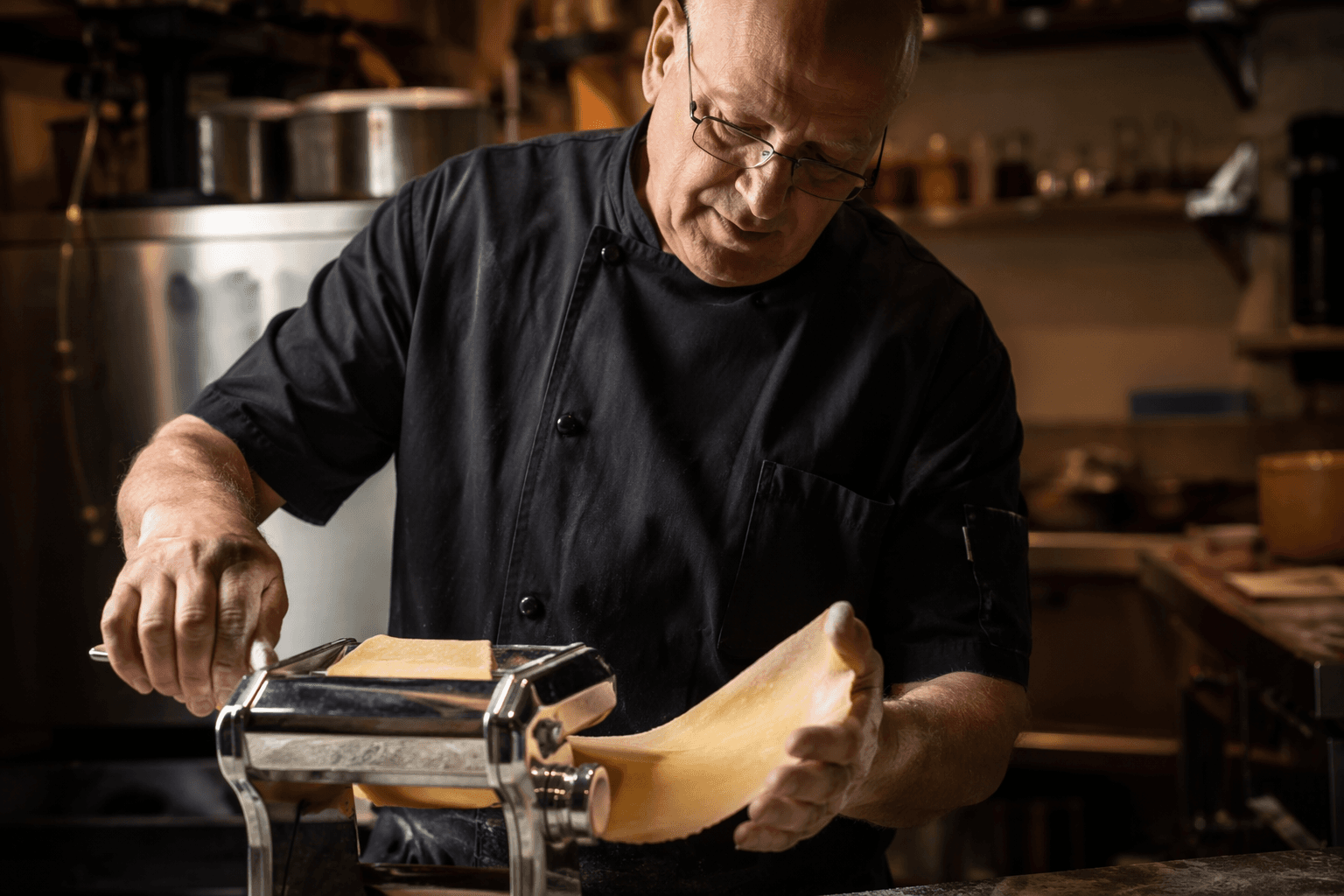
The in-studio feature focused on a step-by-step look at pasta-making fundamentals, showing viewers the appeal of learning technique live rather than only from a recipe. Those segments typically break a process into clear visual steps, mixing, kneading, rolling, cutting, so home cooks can follow along and picture themselves doing the same in a class. The visual element is particularly useful for tactile skills like dough consistency and hand position, which are hard to convey in text alone.
3. Piccola Italia Bistro’s class offering, in brief
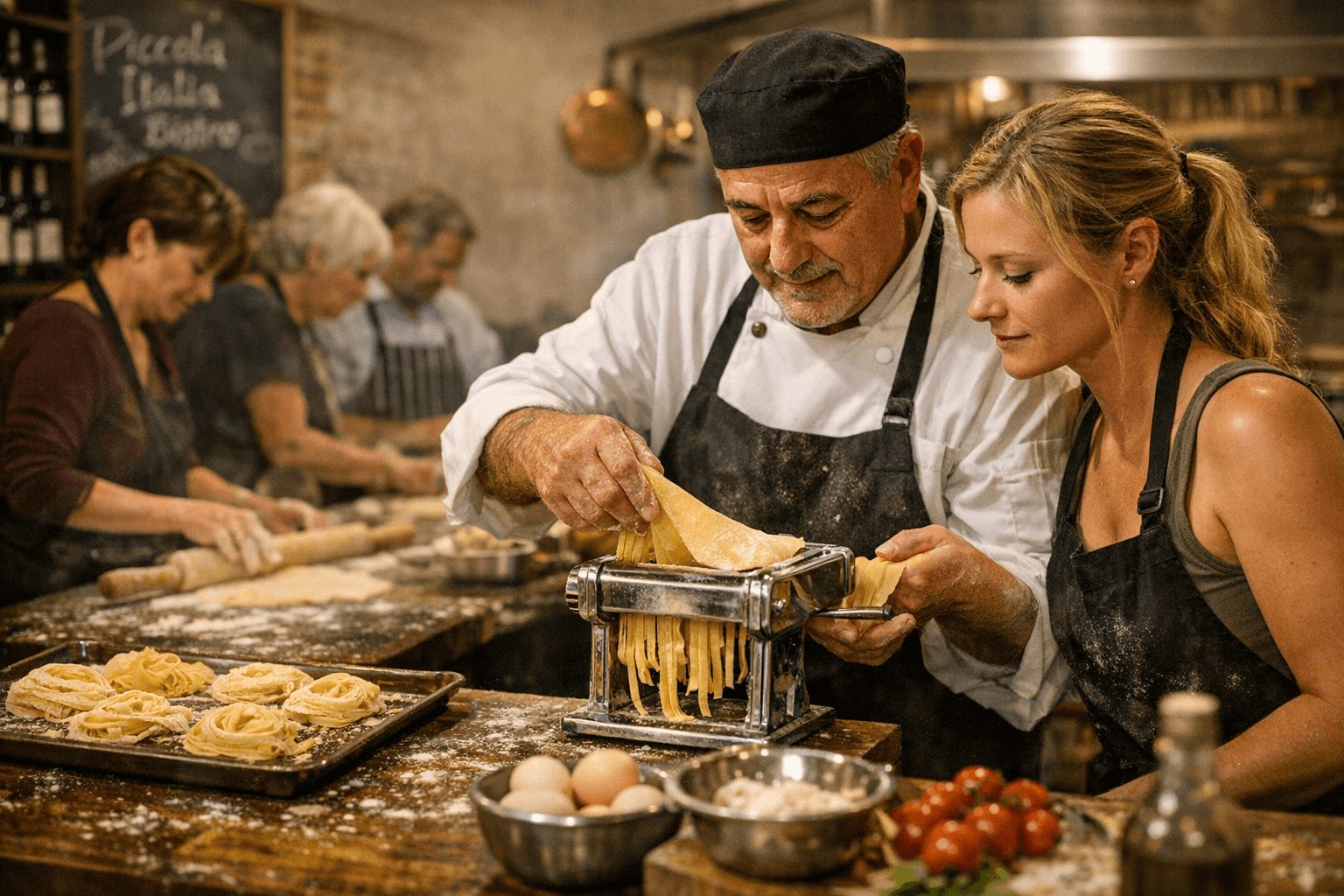
Piccola Italia Bistro is presenting community cooking classes centered on fresh pasta, positioning the bistro as both a neighborhood restaurant and a culinary classroom. The classes are organized to teach practical, repeatable skills that you can use at home, emphasizing hands-on learning in a friendly, local environment. Because the bistro hosts the sessions, you get a true kitchen-to-table vibe where the techniques you practice are directly relevant to restaurant-style results.
4. How the classes are structured (step-by-step format)
Classes are presented in a sequential, step-by-step format so students can progress logically from foundation to finish: start with ingredients and dough, move to shaping and cutting, then finish with sauces and plating. Each step builds on the previous one so you leave confident reproducing the full process at home rather than just isolated tricks. In-class pacing typically allows practice time for each stage, so you actually feel the differences, like dough hydration, rather than just seeing them demonstrated.
5. How to sign up (what WFLA Daytime links)
The WFLA Daytime page links directly to Piccola Italia Bistro’s class sign-up portal so interested locals can register for upcoming sessions. Use that linked sign-up to check available dates, reserve your spot, and get any pre-class instructions the bistro provides; the WFLA feature acts as a jump point rather than the registration system itself. If you plan to attend, sign up early, community classes that are hands-on tend to fill quickly because of limited stationing and equipment.
6. What you’ll learn during a step-by-step pasta class
Expect to cover the essentials: measuring and selecting flour and eggs, combining and kneading dough to the proper texture, resting and rolling the dough, and cutting or shaping common pasta types. Instructors then usually show simple sauce pairings and finishing techniques, so you learn both the pasta and what brings it to the plate. The step-by-step approach emphasizes repeatable movements and checkpoints (dough feel, thickness, bite) so you can replicate results in your own kitchen.
7. Practical prep: what to bring and expect in class
Bring comfortable shoes and an appetite; many classes will provide ingredients and tools, but check the sign-up page for specifics before you arrive. Expect to work at a shared station and to get hands-on time; wear clothes you don’t mind flouring up and consider bringing a small notebook or your phone to record tips and measurements. If the bistro supplies aprons or specialized equipment, you’ll save packing space, but confirming ahead keeps surprises minimal.
8. At-home practice tips that mirror the class steps
Practice the same sequence you’ll learn in class: mix, knead, rest, roll, cut, and cook. Small, repeatable routines help internalize technique, knead in short bursts if your hands tire, and mark your rolling pin or board for consistent thickness. • Use a 2:1 ratio of semolina to all-purpose for sturdier pasta when trying shapes. • Rest dough for at least 30 minutes to relax gluten before rolling. These kinds of targeted habits make the step-by-step lessons stick.
9. Community value and why these classes matter locally
These classes strengthen local food culture by putting skills directly into residents’ hands and creating a shared learning space where neighbors meet over food. Teaching technique in a community setting preserves culinary knowledge and supports local businesses like Piccola Italia Bistro by turning diners into knowledgeable home cooks. For people looking to deepen ties with their neighborhood or to build practical, social weekend plans, a hands-on class is a direct and delicious option.
10. Accessibility, cost considerations, and who benefits
Hands-on classes are most accessible when organizers intentionally cap sizes and provide clear sign-up instructions and pricing transparency; the WFLA link helps lower the discovery barrier by directing locals to the sign-up page. While I can’t list specific costs here, expect a single-session price that reflects ingredient quality and instructor time, look for discounts on multi-session packages if you want more follow-up practice. These classes suit a wide range: beginner cooks, couples looking for an active date, and home chefs refining technique.
11. Tips for continuing progress after class
Turn class takeaways into a practice plan: schedule one short pasta-making session per week to reinforce muscle memory and tweak technique based on results. Keep a simple log of flour ratios, resting times, and cooking times so you can replicate or adjust reliably. • Freeze small disks of dough for later rolling, • label batches with date and ratio, and • experiment with one new shape or sauce per month to keep the habit fresh.
12. Final practical wisdom
A step-by-step class removes the guesswork: you’ll feel the right dough, see consistent rolling thickness, and plate pasta that tastes like you put in the effort, and that skill sticks. Use the WFLA Daytime link to secure a spot, go with realistic expectations, and commit to short, focused practice afterward; the payoff is simple: better pasta, more confidence, and a stronger local food community.
This article was produced by Prism’s automated news system from verified source data, official records, and press releases, then run through automated quality and moderation checks before publishing. The system is built and supervised by the people who set the standards it runs under. Read our full AI policy.
Did this article answer your question?