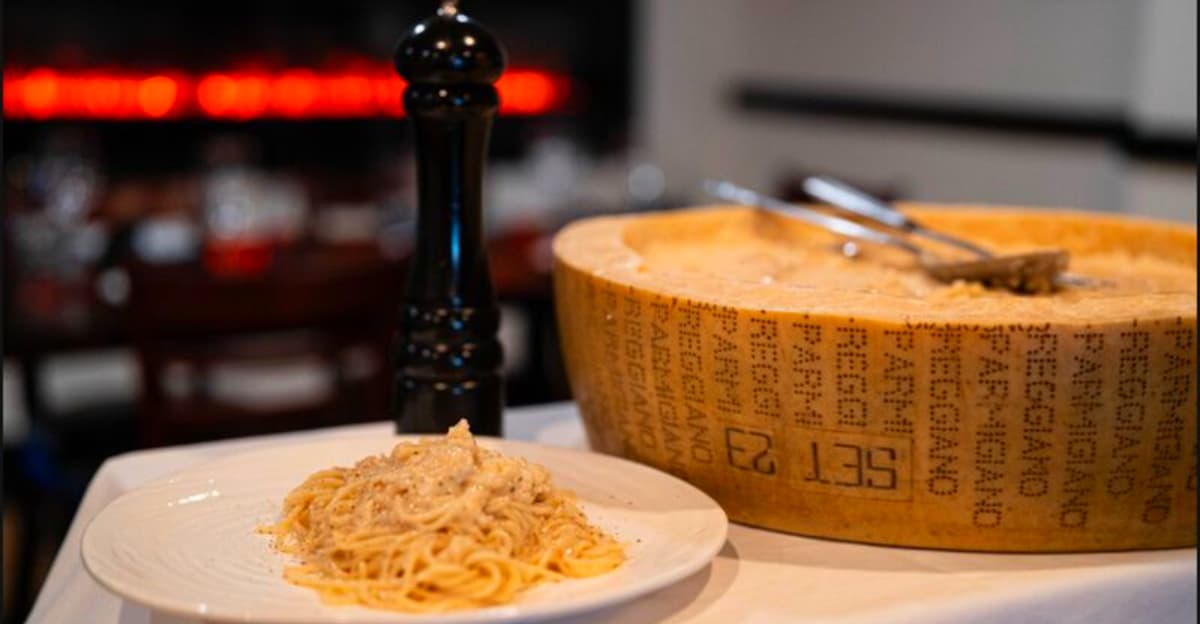
Why pasta shape matters more than you think
The fastest pasta upgrade is already in your pantry. Match the shape to the sauce and the same box can suddenly eat like a much better dinner.
The easiest way to make pasta taste more expensive is not to buy a fancier sauce. It is to stop treating every shape like an interchangeable tube of starch and start matching the cut to what it has to carry. Pasta can coat, cling, trap, or cradle sauce, and when you get that part right, the same ingredients suddenly eat with more texture, more balance, and a lot more personality.
Think in structure, not fashion
There are at least 200 pasta shapes, and Italian tradition has long treated them as different tools, not decorative choices. National Geographic notes that pasta ranges from squares to tubes to long strings to spirals, with regional variation in how each shape is used with sauces and accompaniments. That is the core idea to keep in your head at dinner time: shape is doing work.
De Cecco puts that logic into plain language with some of its best-known shapes. Linguine were created to be eaten with traditional pesto because their flattened, slightly convex shape traps sauce. Tortiglioni are meant for full-bodied sauces, especially meat-based, tomato, and vegetable-and-tomato sauces. Shells can catch nearly any kind of sauce, while cavatappi, with ridges and a tubular body, are built for less dense, more liquid sauces that can slide inside and stick there.
That is why the same sauce can feel flat on one noodle and vivid on another. A smooth sauce needs a surface it can coat. A chunky sauce needs grooves, hollow centers, or ridges that hold onto the pieces instead of letting them fall to the bottom of the bowl.
The dinner mistakes that flatten flavor
The most common mismatch is a heavy sauce on a shape that cannot grip it. If you pour a chunky meat ragù over a smooth long noodle, the sauce sits on top or slips away instead of becoming part of the bite. Tortiglioni, shells, rigatoni, fusilli, and orecchiette do a much better job here because their crevices and curves catch the little bits of sausage, mushrooms, beans, or vegetables that make the sauce taste complete.
The opposite mistake is just as common: using a big, aggressively shaped pasta with a delicate sauce that does not need that much structure. Thin noodles are at their best with silky emulsions built from butter, olive oil, cheese, or seafood, where the goal is coating, not trapping. That is where linguine or tagliatelle earn their keep, because their surface lets the sauce cling without burying it.
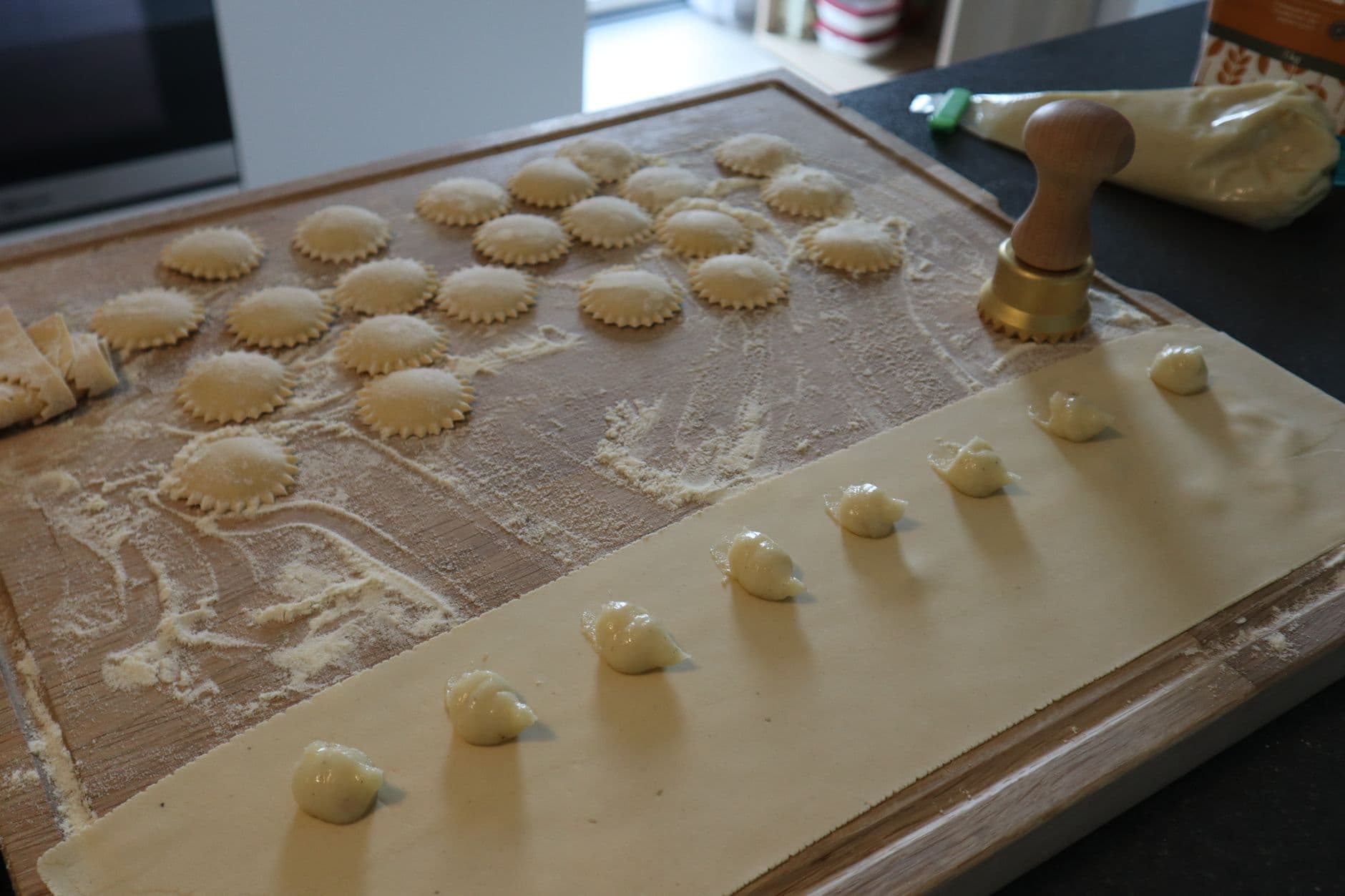
Stuffed pasta has its own rule. The filling is already doing the heavy lifting, so the sauce should stay restrained and let the pasta speak for itself. That is exactly why lasagne is codified by the Accademia Italiana della Cucina as spinach egg pasta layered with ragù and béchamel, not as a blank canvas for any sauce you happen to have in the fridge.
How to rescue tonight’s dinner with what you already have
If you are cooking from the pantry, the goal is not perfection. It is choosing the shape that gives your sauce the best shot. A few simple swaps make a bigger difference than another handful of cheese ever will.
- If the jar says pesto, reach for linguine when you can. De Cecco says the flattened, slightly convex shape was made to trap traditional pesto and bring out its flavor.
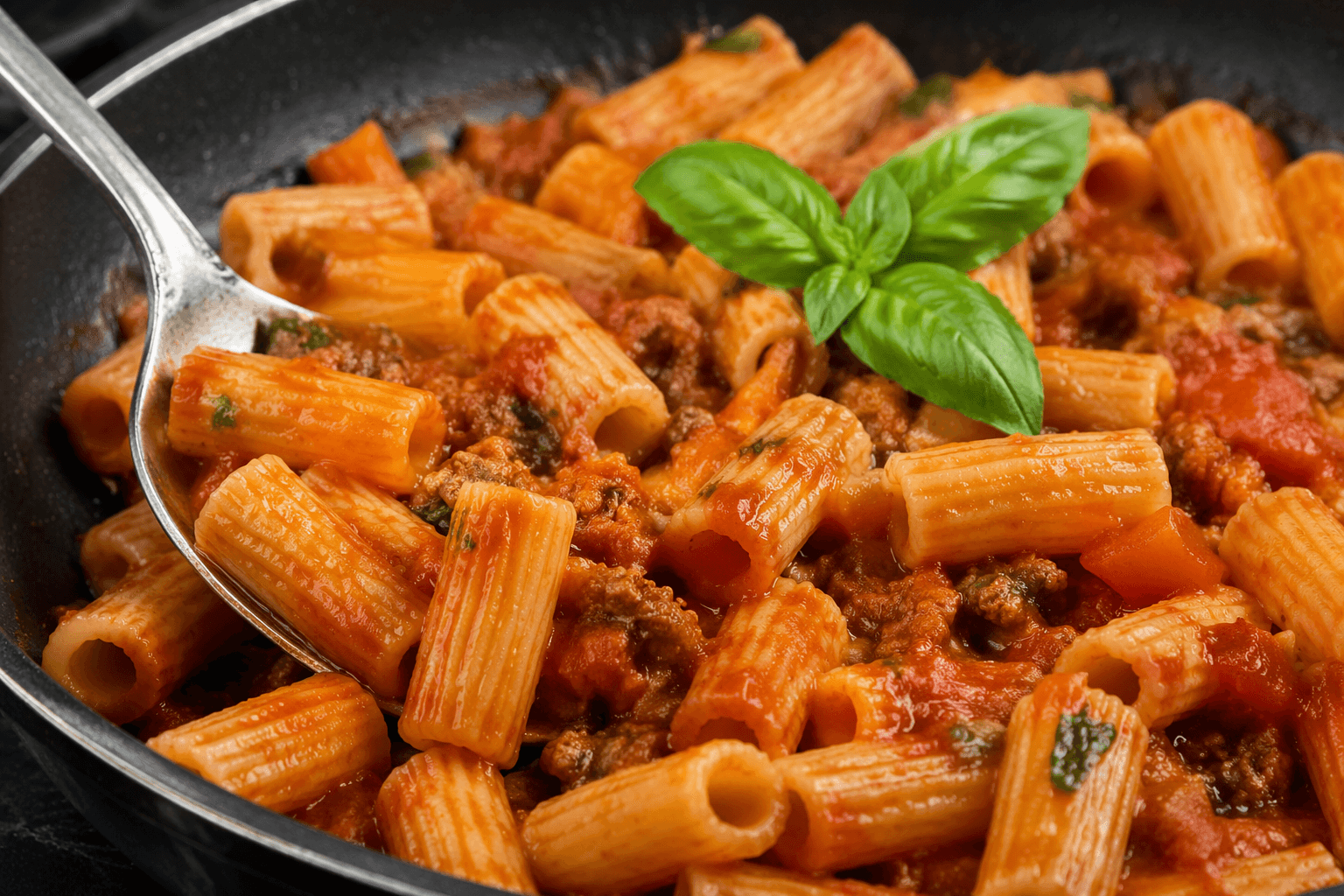
- If you are making a meat sauce, a thick tomato sauce, or a vegetable-and-tomato sauce, move toward tortiglioni, rigatoni, or shells. Those shapes are built to hold the sauce instead of letting it slide around the plate.
- If the sauce is looser, brothy, or more liquid, cavatappi is a smart pantry move because its ridges and tube-like body capture the sauce inside.
- If the sauce is delicate, go thin and smooth. Tagliatelle or linguine will give you the cleanest bite with butter, olive oil, cheese, or seafood.
The technique matters almost as much as the shape. Food-education materials from Purdue recommend cooking pasta in plenty of water, and the Exploratorium points to stirring and starch gelatinization as part of why sauces stay smooth and cohesive. In plain English, salted cooking water seasons the pasta itself, and finishing the pasta in the sauce, instead of spooning sauce over the top at the end, helps everything unify into one dish.
Why the old rules still work
Pasta shape lore is not just a kitchen superstition that survived because people repeated it. The U.S. Environmental Protection Agency notes that pasta was first introduced in Italy in the 13th century, and that most of it used to be made by hand before 20th-century industrial extrusion made high-capacity production standard. That long arc explains why today’s supermarket shapes still feel so tied to tradition: they were shaped by real eating habits, not marketing.
The Institute of Culinary Education says studying shapes, fillings, and sauces helps cooks understand regional dishes and the agricultural history behind them. That is the deeper reason the rules are so useful. Pasta tells you something about the landscape behind the plate, whether you are looking at Liguria’s pesto logic or the broader regional habit of pairing each form with the sauce it was built to handle.
Even in the United States, pasta is serious enough to show up in trade policy, not just dinner. The U.S. Department of Commerce announced final 2026 antidumping review results for certain pasta from Italy covering imports entering the United States from July 1, 2023, through June 30, 2024. That may sound far from a weeknight bowl of dinner, but it is a reminder that pasta is both a cultural object and a major commercial category.
The real takeaway is simple: the box in your pantry is not generic, and the sauce in your saucepan is not neutral. Put the right two together, and you get more cling, more texture, and more flavor from the exact same ingredients. That is the difference between a bowl that just fills you up and one that makes you stop after the first bite and realize the shape was doing the work all along.
This article was produced by Prism’s automated news system from verified source data, official records, and press releases, then run through automated quality and moderation checks before publishing. The system is built and supervised by the people who set the standards it runs under. Read our full AI policy.
Know something we missed? Have a correction or additional information?
Submit a Tip