Pathfinder 2e Automatic Bonus Progression cuts gear pressure in low-magic campaigns
ABP keeps Pathfinder 2e’s math on track without forcing every upgrade through a shopping list. It shines in low-magic, relic-driven, or conversion campaigns, but trims the item treadmill on purpose.
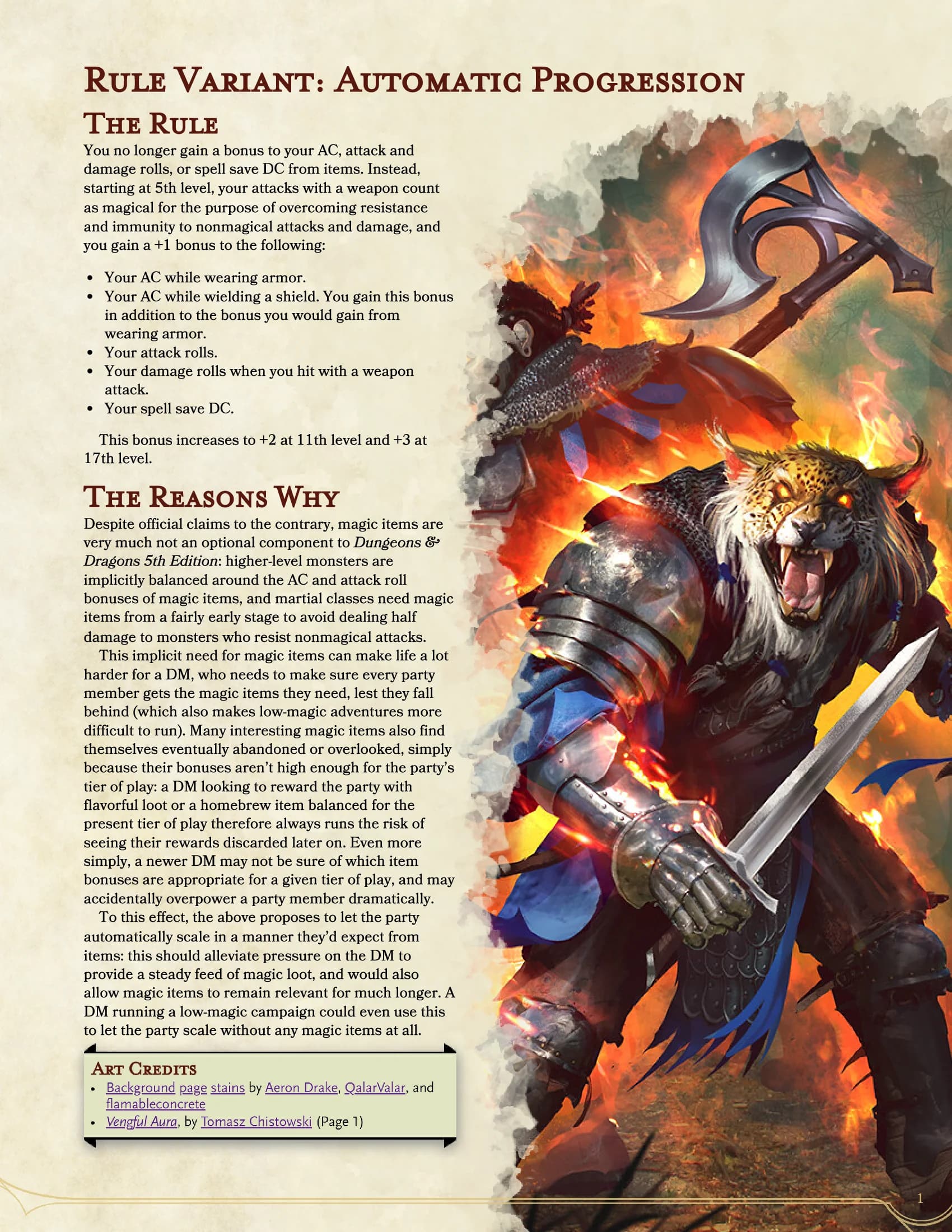
Automatic Bonus Progression is an official Pathfinder 2e variant rule in Archives of Nethys’ Chapter 4: Variant Rules. When you turn ABP on, the party still hits the numbers Pathfinder 2e expects, but the bonus math arrives by level instead of by shopping trip, loot hunt, or rune swap.
What ABP changes at the table
ABP is not a house patch or a fan workaround. Paizo’s rules framework puts it in the same broader variant-rules space that GMs already use when they want to alter how the system behaves without rewriting the system itself.
The rule reduces magic-item bookkeeping while preserving Pathfinder 2e’s underlying math. Instead of making players chase the usual optimization staples, ABP grants equivalent progress as characters level. The named tracks are the important part here: attack potency, armor potency, saving throw potency, skill potency, and perception potency. Those are the numbers Pathfinder 2e leans on for combat, defense, and key checks, so ABP keeps the table on schedule even when the item economy is thinned out.
ABP fits campaigns where the story does not revolve around a big, ever-growing pile of gear. If your game is about wandering monks, sacred relics, hard travel, political intrigue, or a world where magic items are rare, stolen, or treated as sacred objects, ABP lets the campaign keep that tone.
Why GMs reach for it
The strongest practical reason to use ABP is that it cuts down the parts of Pathfinder 2e that can turn treasure into accounting. A standard game assumes a predictable climb through fundamental runes and other upgrade slots, and that creates pressure on both sides of the screen. Players feel they need the right items to stay effective, and GMs have to remember to seed the right items often enough that the math keeps working.
ABP changes treasure from a checklist into a story tool. A reward can be a relic, a useful oddity, or something that matters to the plot instead of another step in the upgrade ladder.
It also simplifies campaign prep. When the party does not need specific item bonuses to remain competent, you have more room to place loot that fits the fiction. A locked vault can hold a saint’s banner, a duelist’s heirloom blade, or a stolen charm with a strange history, and you do not need to make each piece solve a numeric problem.
What players gain, and what they give up
For players, ABP opens up choices that the standard item treadmill can crowd out. A fighter can pick a weapon because it suits the character, not because the rune path says it is the mathematically safe option. A wizard can carry an heirloom staff without feeling like it will age out of usefulness. A rogue can lean into roleplay-heavy equipment, investigator tools, or a signature item and still remain competitive in combat and exploration.
Community discussion tends to circle the same benefits. Players talk about multiple weapons staying viable, flavorful gear becoming easier to justify, and the constant pressure to buy the next mandatory upgrade easing up.
The tradeoff is just as real. ABP takes some of the excitement out of hunting for the exact item that patches a weakness or spikes a number. It also changes the role of treasure in a way that some tables enjoy and others miss. If your group loves the magic-item economy as a source of advancement, commerce, and found power, ABP deliberately removes part of that engine.
When ABP solves a real problem, not just an elegant theory
ABP shines brightest in low-magic campaigns and in conversions. It is a clean fix for tables porting adventures from older editions or from other games where the standard Pathfinder 2e item treadmill can feel out of place. It is also a strong fit for modules that do not hand out enough magic items to satisfy the normal assumption set.
Pathfinder 2e balance assumes a character’s attack bonus, AC, saves, and key skill checks improve in a predictable way. ABP preserves that structure while allowing the campaign to keep magic items rare, special, or structurally different. If the story wants every relic to feel significant, ABP makes that easier without leaving the party numerically behind.
It also helps when you want to broaden weapon and equipment choices. A character with two weapons, a signature tool, or a piece of flavorful gear can keep using them without suffering a major effectiveness drop. The game becomes less about keeping up with item prerequisites and more about whether the equipment fits the character.
Where the rule sits in Pathfinder’s wider rules ecosystem
ABP did not appear out of nowhere in second edition. Pathfinder RPG and Pathfinder 1e both had versions of Automatic Bonus Progression on older rules databases, so the idea predates PF2e and already had a place in Pathfinder rules conversations. In Pathfinder 2e, the Gamemastery Guide places the variant rule on page 196, and a Fantasy Grounds forum post cites that page as the home for the rule.
The rules ecosystem around Pathfinder 2e has kept that variant space visible. Archives of Nethys indexes ABP directly, and it also maintains a separate generic Variant Rules entry for Pathfinder 2e. Paizo’s Lorespire organized-play pages include Remaster notices explaining that campaign rules are being revised to line up with the Remaster.
The Rules Lawyer posted a Pathfinder 2e tutorial about Archives of Nethys on 2024-06-24.
This article was produced by Prism’s automated news system from verified source data, official records, and press releases, then run through automated quality and moderation checks before publishing. The system is built and supervised by the people who set the standards it runs under. Read our full AI policy.
Did this article answer your question?