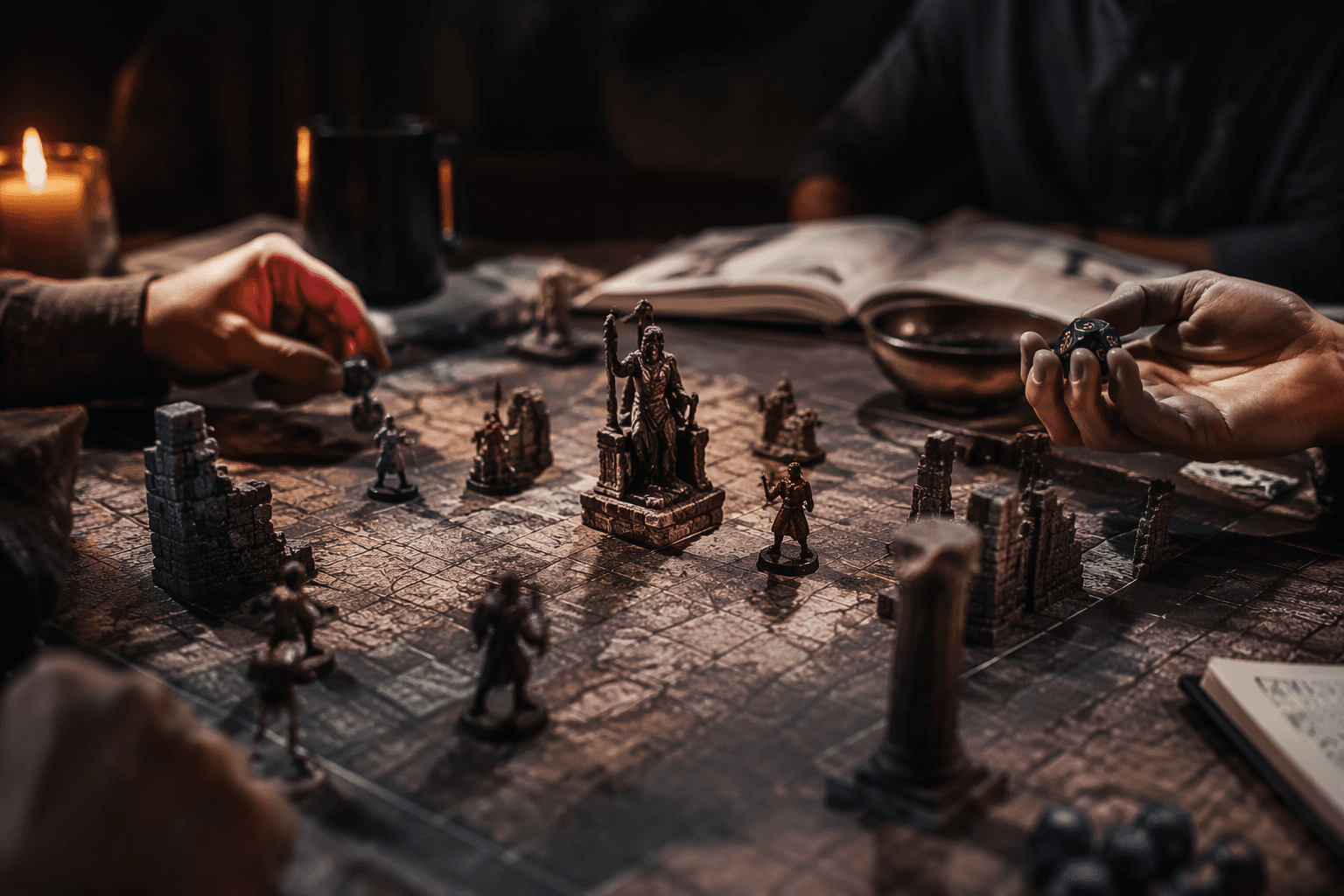
Pathfinder 2e tutorial guides new players through character creation
Pathfinder 2e’s character creation looks intimidating until you follow the few choices that really shape a level 1 hero. This guide turns the system into a clear order of operations, with traps to avoid and official tools to lean on.
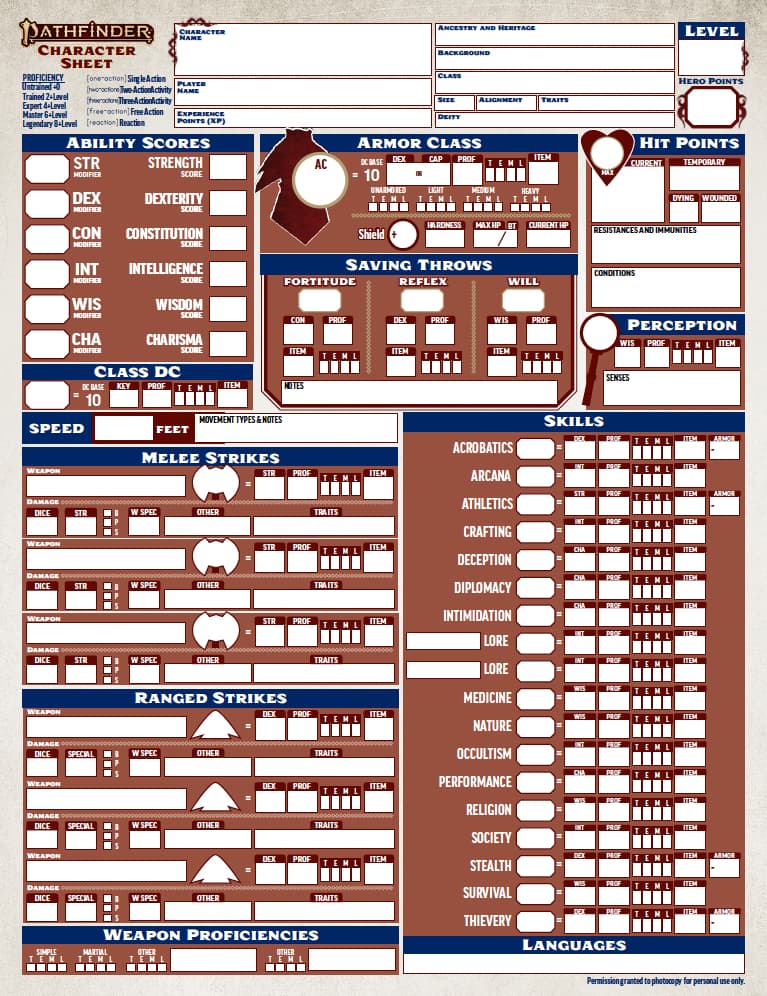
A level 1 Pathfinder 2e sheet needs ancestry, background, class, and ability boosts before it is ready for the table. New players often hit the same wall: too many ancestry options, fear of building the character “wrong,” and no clear sense of what a level 1 sheet actually needs to function at the table. The best tutorials turn character creation into a sequence of decisions, and Pathfinder’s rules support that approach with separate entries for Character Creation, Ability Score Overview, Attribute Boosts & Flaws, and Variant Rules.
Start with the concept, then let the rules catch up
A playable Pathfinder character starts with a simple idea: who you want to be in the party, and what job you want to do in combat and scenes. Pathfinder Second Edition launched in 2019 and is built for deliberate customization rather than improvised freeform builds. Paizo’s own getting-started language describes the game as having grown into “the world’s deepest, most customizable tabletop roleplaying game,” and that flexibility can freeze a new player if they try to absorb everything at once.
The practical answer is to choose a concept first and use it as a filter. If you want a hard-hitting frontline fighter, a nimble scout, or a divine healer, that choice should guide ancestry, background, and class instead of the other way around. A good tutorial narrows the first build to the handful of decisions that shape how your character behaves in play.
The decisions that really matter at level 1
Pathfinder 2e character creation becomes much easier when you treat it like an order of operations. The broad path is straightforward: choose a concept, select ancestry and background, pick a class, assign ability boosts, then fill in the supporting details that make the character work. That sequence matches how the system is organized in official rules references, and it keeps the process from feeling like one giant wall of options.
- spreading ability scores too thin
- overlooking key class features
- picking options that do not reinforce the character’s intended role
The biggest beginner traps are usually mechanical, not thematic. The most common mistakes are:
Pathfinder 2e expects your character to have a lane. A fighter who tries to be equally good at everything, or a wizard built without enough attention to key abilities, can feel underpowered even before the first encounter ends. At level 1, the build needs one or two clear strengths and enough durability to survive a real session without constant correction.
Why the official tools are useful instead of intimidating
The reason new players get lost is not that Pathfinder 2e lacks structure, it is that the structure is spread across multiple references. Archives of Nethys keeps separate PF2 pages for Character Creation, Ability Score Overview, Attribute Boosts & Flaws, and Variant Rules. PathfinderWiki also maintains a Beginner Box reference page for the second edition starter product line.
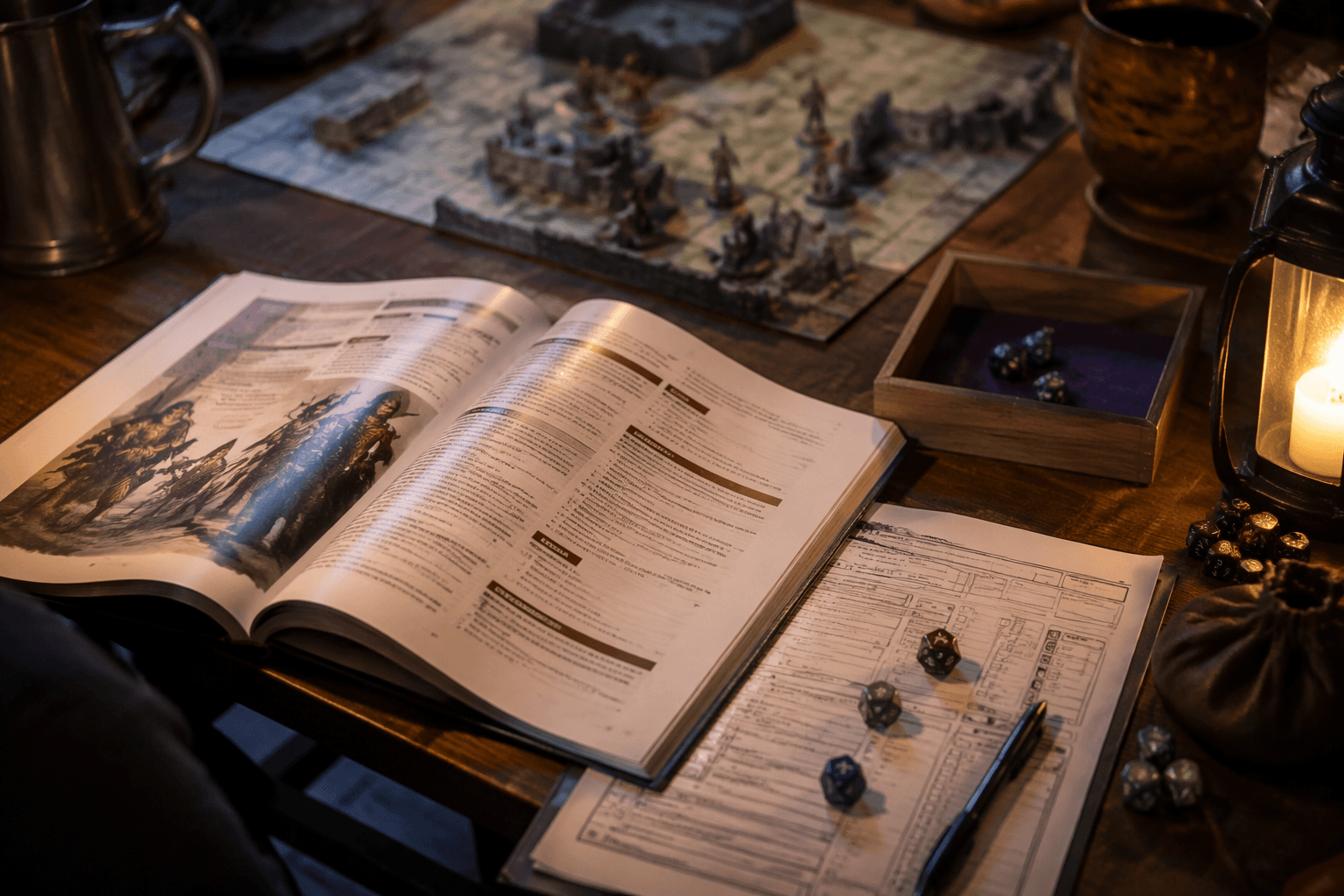
The rules pages tell you how the pieces work, while a guided tutorial shows you what order to tackle them in so you do not get stuck on the details too early.
Starter products and onboarding work together
Paizo has been building that onboarding lane for years. The company publicly revealed the Pathfinder 2E Beginner Box on May 19, 2020, and it later listed a newer Beginner Box product, Secrets of the Unlit Star, as heading into retail in 2025. Both boxed sets give new players a controlled first step into a complicated game.
A character-building guide still has a different job from a beginner box: the box gets people rolling dice, and the tutorial explains how to make a character that fits the rest of the campaign.
How Pathfinder’s organized play shape affects character building
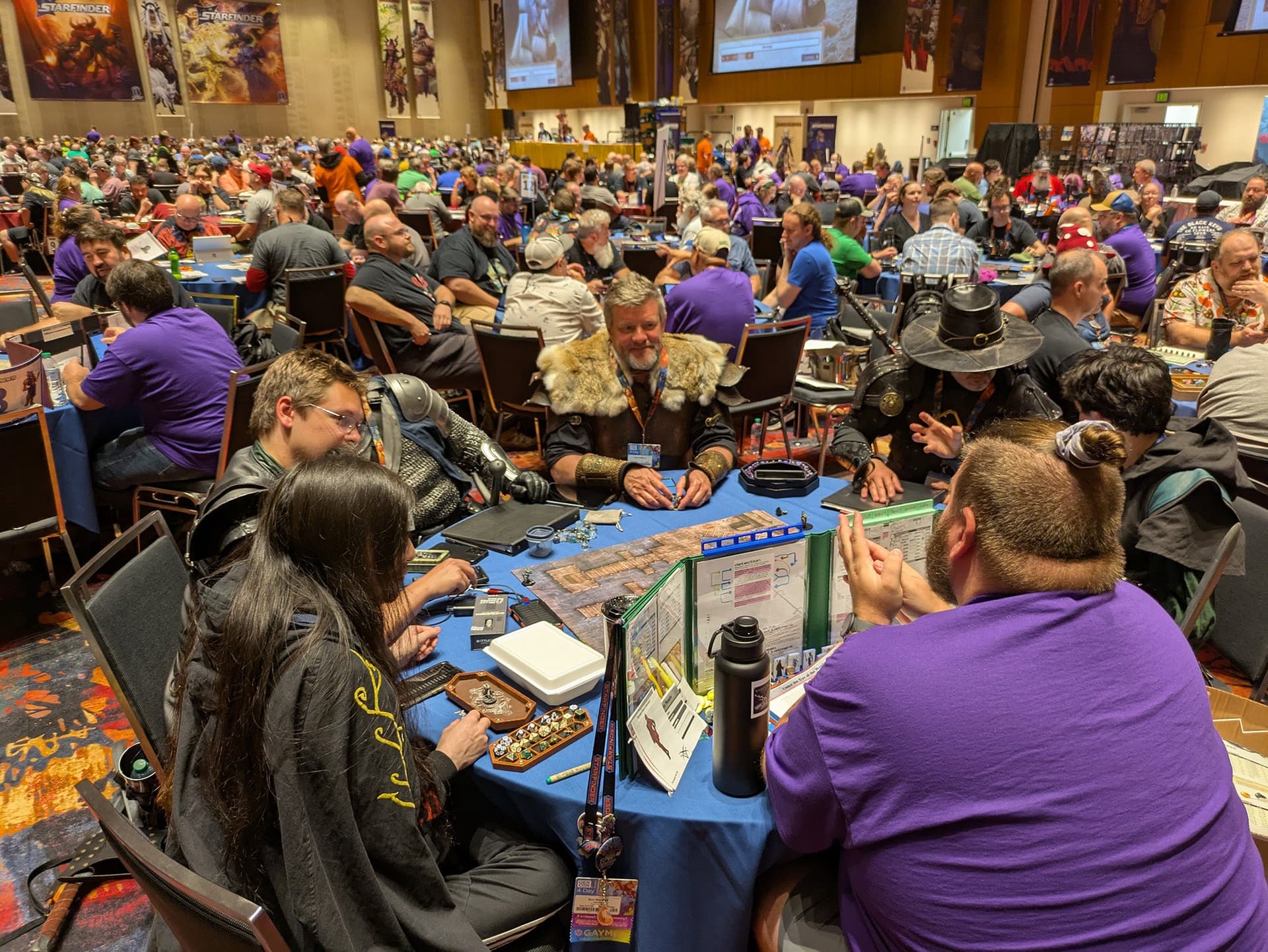
Character creation becomes even more important once you leave a solo learning environment and move into organized play. Paizo’s Lorespire organized-play character-creation page includes a remaster notice and directs players to remaster conversion information and update notifications, which means your build has to be checked against the campaign framework you are joining. In Pathfinder, “legal” and “ready to play” are not always the same thing, especially when campaign-specific guidance is involved.
A tutorial helps Game Masters as much as players. A table full of first characters runs more smoothly when everyone understands the same basic order of decisions and knows where the system expects specialization. The result is less backtracking at session one and fewer characters who look good on paper but fail to support the role their player actually wanted.
The value of a step-by-step tutorial is confidence
Paizo has used video to teach this process directly before. On July 15, 2019, Paizo posted “Countdown to #Pathfinder2E - ‘Building your Character’ w/ Mark Seifter,” and on April 23, 2020, a YouTube tutorial titled “PATHFINDER 2ND EDITION CHARACTER CREATION BASICS! (Easy to Follow Guide)” walked viewers through the process step by step. That kind of format works because it takes a sprawling system and reduces it to the handful of choices that shape a first session.
This article was produced by Prism’s automated news system from verified source data, official records, and press releases, then run through automated quality and moderation checks before publishing. The system is built and supervised by the people who set the standards it runs under. Read our full AI policy.
Did this article answer your question?