Pathfinder 2E's three-action system, explained
Pathfinder 2E’s three-action turn is the reason a round feels like a real set of tactical choices, not a script. Once you see how Stride, Strike, Step, and Aid fit together, PF2’s whole combat language clicks.
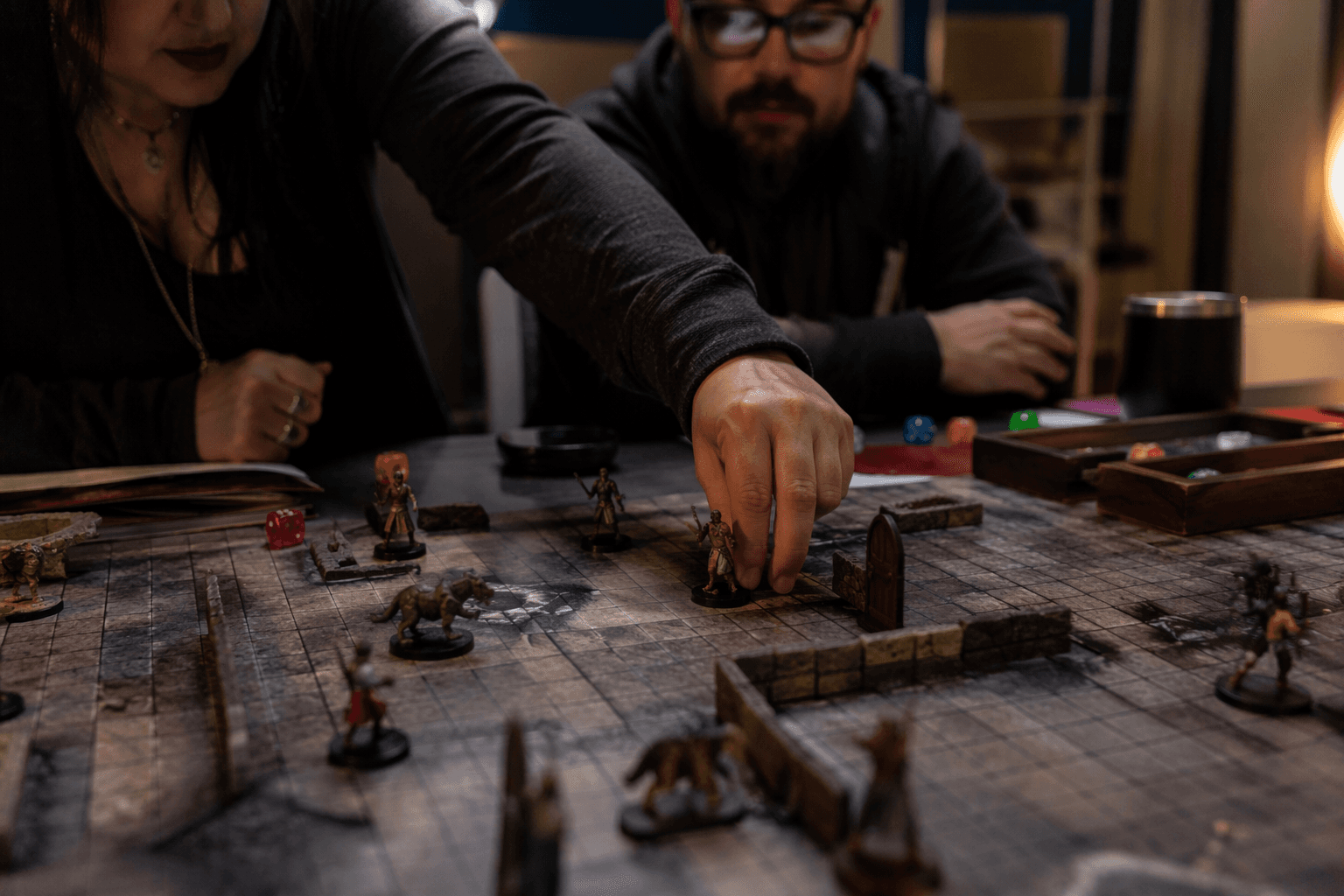
On August 1, 2019, Paizo launched Pathfinder 2E with a turn structure built around three single actions, one reaction, and any free actions you are allowed to take. After years of development and feedback from more than 125,000 players, Paizo framed the game from the start as easier to learn, faster to play, and still deeply customizable.
The game keeps those actions legible by reusing the same few building blocks across almost everything you do. Basic actions like Stride, Step, Interact, Strike, and Aid are the verbs of the system, and many feats and abilities do not invent brand-new mini-games so much as modify those verbs or bundle them together into larger activities. That is why a newer player can read a stat block or feat and usually understand the shape of the turn without learning a separate subsystem every time.
Why PF2 turns feel so tactical
The clearest example is the multiple attack penalty. Yes, you can spend all three actions attacking, but the game makes that a real decision instead of the default answer. Your second attack takes a -5 penalty, and any later attacks take -10, which is exactly the kind of pressure that pushes a turn into actual tactics: maybe that third action is better spent Striding into flanking position, Raising a Shield, drawing a weapon, or setting up Aid for the next character.
The rule is broader than sword swings, too. Every check with the attack trait counts toward your multiple attack penalty, including Strikes, spell attack rolls, and certain skill actions like Shove. That makes the penalty feel like a system-wide balance lever rather than a niche martial rule, and it explains why PF2 players talk about attack-trait actions so carefully when planning a turn.
Agile weapons show how precise that tuning can get. On an agile weapon, the second-attack penalty drops from -5 to -4, and the third and later attacks drop from -10 to -8. That is not a tiny footnote in practice, because it changes whether a quick blade wants to fish for a second hit or whether that last action is better spent on movement, positioning, or defense.
Activities, reactions, and free actions keep the round moving
PF2’s real elegance shows up when those same actions get grouped into larger structures. Activities are multi-action options, so a spell, feat, or special move can ask you to spend two or three actions in sequence and then cash them in for a bigger effect. The key thing is that the system does not stop being the same system when that happens. A more complex action may simply mean “Stride twice and Strike,” or “use this action twice, then do the payoff,” all under the same three-action framework.
Reactions are the other half of that design. You start each turn with one reaction, and reactions trigger off events, not just your own turn, which is why off-turn play stays active in PF2 instead of collapsing into a strict I-go-you-go script. Aid is a good example: you usually spend an action on your turn to prepare, then use the reaction when the trigger comes up, turning a support idea into something concrete and timed.
Free actions round out the picture. They do not cost one of your three actions, and they do not cost your reaction either, but they still have limits and timing rules, which keeps them from becoming loopholes.
Why the system still matters for returning players
When the second edition arrived, Paizo positioned the Core Rulebook as the one book that carried character creation, encounters, exploration, treasure, and magic in 640 pages. The action system is what lets all of it share the same grammar. Once you understand that grammar, the jump from a Fighter to a Wizard or from combat to downtime feels less like learning a new game and more like using the same verbs in a new scene.
Pathfinder 2E remained easy to recognize through the Remaster Project. Paizo announced Player Core and GM Core for November 2023, then Monster Core for March 2024 and Player Core 2 for July 2024; the presentation changed, the options expanded, and the books were refreshed, but the company was explicit that the core rules system itself stayed the same.
The old Pathfinder 1E contrast makes the break even easier to see. First edition used seven distinct action types, free, full-round, immediate, move, standard, swift, and other, which meant learning the turn structure often felt like learning a catalogue before you could play. PF2’s three-action model does the opposite: it gives you a smaller set of rules pieces, then lets the game’s feats, spells, and class tools remix them into more interesting choices.
This article was produced by Prism’s automated news system from verified source data, official records, and press releases, then run through automated quality and moderation checks before publishing. The system is built and supervised by the people who set the standards it runs under. Read our full AI policy.
Know something we missed? Have a correction or additional information?
Submit a Tip