Pathfinder familiars, why Manual Dexterity makes them indispensable
Manual Dexterity turns familiars into real table tools, and Pathfinder’s modular rules make the right build depend on who you are and what scenes you face.
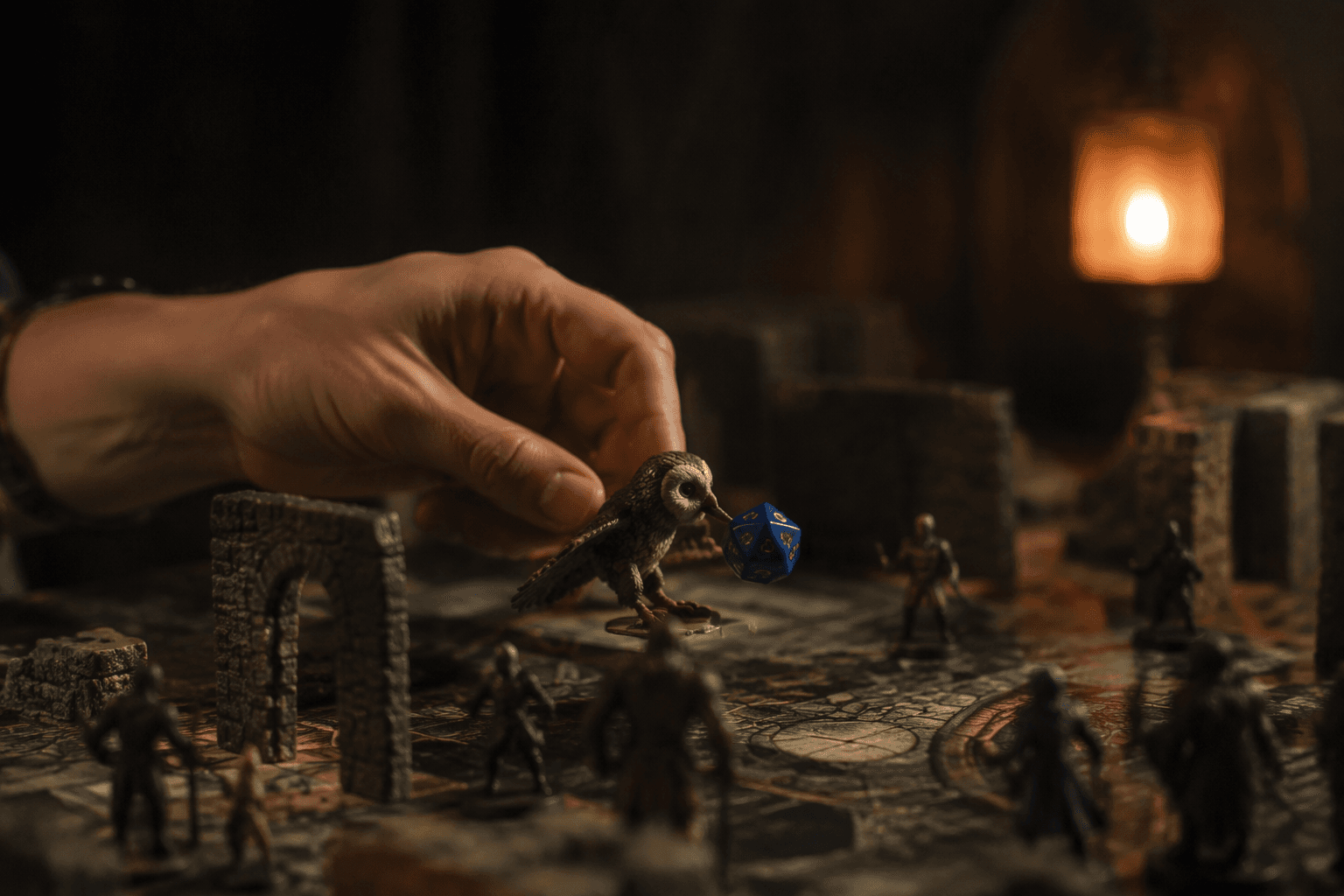
In Pathfinder Second Edition, Manual Dexterity lets a familiar manipulate objects instead of just sitting there looking charming on your shoulder. That is the ability that flips the switch from pet to limited rules package.
Why familiars are easy to misplay
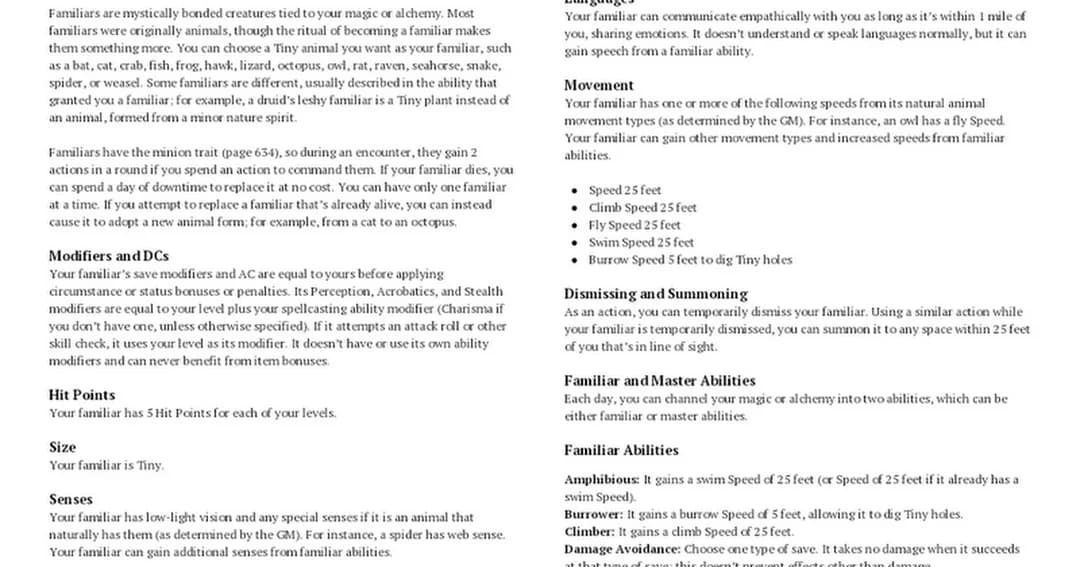
Familiars have dedicated Archives of Nethys pages for Familiars, Familiar Abilities, Selecting Familiar and Master Abilities, and a separate page for Specific Familiars, which makes clear you are not buying a single stat block. You are assembling capability from parts, and if you ignore that, you end up with a familiar that is all concept and no payoff.
That is the first common mistake: picking a familiar for flavor and never spending the limited customization on abilities that matter at the table. A familiar that cannot manipulate objects, communicate, or contribute to day-to-day adventuring is easy to forget in play. On the Pathfinder Second Edition product page, the game is an “easy-to-learn but endlessly customizable rules set,” and familiars are one of the places where that promise is most visible.
Manual Dexterity is the real breakpoint
Once a familiar can manipulate objects, it stops being decorative and starts becoming a logistics tool, able to hand over items and support simple object interactions. That matters because Pathfinder tables run on action economy and scene flow, and small delays around gear, items, and quick handoffs can slow everything down.
This is why Manual Dexterity is so often the first ability to look at when you are building one. If your familiar can move objects, you can start thinking in terms of table function instead of theme: a handoff that keeps your turn moving, a way to support a character who relies on quick logistics, or a companion that helps keep dungeon turns from bogging down.
The other abilities that pull their weight
Speech is the other obvious standout, and it solves a different problem entirely. A familiar with Speech becomes an actual voice at the table, which is valuable in communication scenes, scouting scenes, and any game that leans hard on roleplay. If your campaign spends a lot of time in conversation, investigation, or relay work between party members, Speech can be as important as any combat-facing upgrade.
Toolbearer looks smaller on paper, but it is one of the most practical picks in the list. It lets the familiar participate in the mundane, tactical work that often decides whether a dungeon turn goes smoothly or turns into a mess. That is exactly the sort of ability people underestimate, because it rarely reads like a headline power, yet it pays off every time your group is juggling gear, timing, and movement under pressure.
Who gets the most out of a familiar
The class or build you are running should shape the familiar you buy into. A witch may want a familiar that supports spell delivery or social interaction, because that fits both the class fantasy and the way the companion can pull weight in scenes that matter. A prepared wizard can use one as a mobile information-gatherer, which makes a familiar less about combat and more about keeping the party informed.
Alchemists are another natural fit, because a familiar that helps manage gear can keep the character’s action economy from getting bogged down in small tasks. If your turns already involve a lot of item handling, a familiar with the right abilities can make the whole build feel smoother. That is also where the system’s flexibility matters most: if you want a generic utility companion, the base familiar structure supports that. If you want a more specialized creature, the Specific Familiars page gives you that lane too.
When the Familiar Master path is worth it
If you want to lean hard into companion utility, the Familiar Master archetype is the cleanest expression of that plan. The archetype text is blunt: “You infuse your familiar with additional magical energy. You can select four familiar or master abilities each day, instead of two.” That is a major numbers bump, not a ribbon feature, and it tells you exactly who should consider it.
Take that option when your character wants the familiar to be a central tool rather than a side benefit. The extra daily flexibility matters most when you expect different scenes to demand different answers, because the archetype lets you tune the companion for scouting one day, handling objects the next, and supporting communication when the situation changes.
Why the conversation has stayed alive
How It’s Played published “Pathfinder (2e): Basics of Familiars” on February 3, 2020, and Paizo forum chatter around Advanced Player’s Guide miscellanea appeared by March 26, 2020.
Paizo’s remaster guidance says the Guide to Organized Play will continue to be revised as campaign rules are brought in line with the Remaster, and forum discussion around “Remastered Books Coming out” kept that broader rules evolution in view on November 15, 2023.
This article was produced by Prism’s automated news system from verified source data, official records, and press releases, then run through automated quality and moderation checks before publishing. The system is built and supervised by the people who set the standards it runs under. Read our full AI policy.
Did this article answer your question?