Pathfinder GM Core gives GMs clear rules for building monsters and hazards
GM Core turns monster and hazard design into a fast, benchmark-driven prep tool. It gives busy GMs clear steps for bosses, traps, haunts, and bespoke threats.
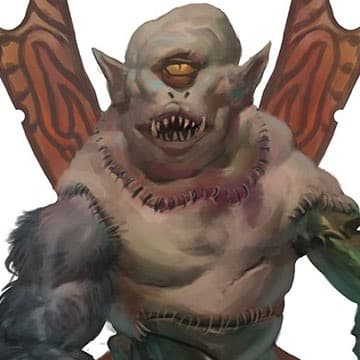
On Paizo’s Twitch stream, Logan Bonner and Adam Daigle built the ailuran, an original creature, on the spot using the monster-building rules. When a session needs a custom boss, a strange beast, or a trap that actually fits the room, Pathfinder GM Core gives you a way to build it without guessing. The system starts from the story you want, then lands on numbers that match the creature or hazard’s role, a much cleaner path than trying to assemble a monster like a player character.
Why this matters at the table
Paizo released the creature and hazard rules before the full Gamemastery Guide was out. GM Core keeps that approach with clear guidelines for creating new monsters and hazards, along with tools for designing challenging, balanced encounters, and it stays compatible with earlier Pathfinder Second Edition books while folding in errata and updates.
It is a prep tool for the night you need a threat that is not in a Bestiary, a hazard that is not just a reskinned dart trap, or a scene that needs to feel built for Golarion rather than borrowed from another table’s homebrew pile.
Build from concept, not from player math
The creature-building rules follow a top-down workflow that is easy to use once you know what job the monster is meant to do. You develop the concept, choose the level, pick the statistics, add abilities, and then review the result as a whole. That is a very different mindset from player-character math, where the numbers are driven by class progression and level-by-level optimization.
You can use them to make a full Bestiary-style stat block when you want something polished, or keep things lighter and rely on brief notes if that is all the table needs. The rules are flexible enough for a unique rival, a one-off spellcaster, a custom boss, or a beast that should exist in your campaign long before a published book catches up.
Hazards use one shared language
The hazard rules unify threats that often get handled inconsistently at the table. Pathfinder groups hazards into three main buckets: traps, environmental hazards, and haunts. Traps can be mechanical, magical, or both; environmental hazards cover things like avalanches, rockslides, poisonous gas, and quicksand; haunts cover spiritual threats tied to unresolved deaths or lingering emotion.

Instead of inventing a different procedure every time the party opens a cursed door, crosses a collapsing bridge, or walks into a haunted crypt, you work from one rules framework. The common skills line up cleanly too: Thievery for traps, Survival for environmental hazards, and Religion for haunts.
The playtest-era hazard rules added more teeth to the system by making outcomes matter immediately. A critical success at disabling a hazard can count as two successes, while a critical failure can trigger the hazard. Some hazards also require a certain proficiency rank to notice before they go off, which means the rules support both careful scouting and the kind of nasty surprise that makes a dungeon feel dangerous.
Complex hazards can run a scene
Complex hazards are the part of the hazard system built for dramatic play. Instead of functioning like a single roll-and-done obstacle, a complex hazard can behave like a creature in combat or even serve as its own encounter, often with a round-by-round routine. That gives you a tool for cursed mechanisms, living environmental dangers, and haunt encounters that should escalate rather than vanish after one check.
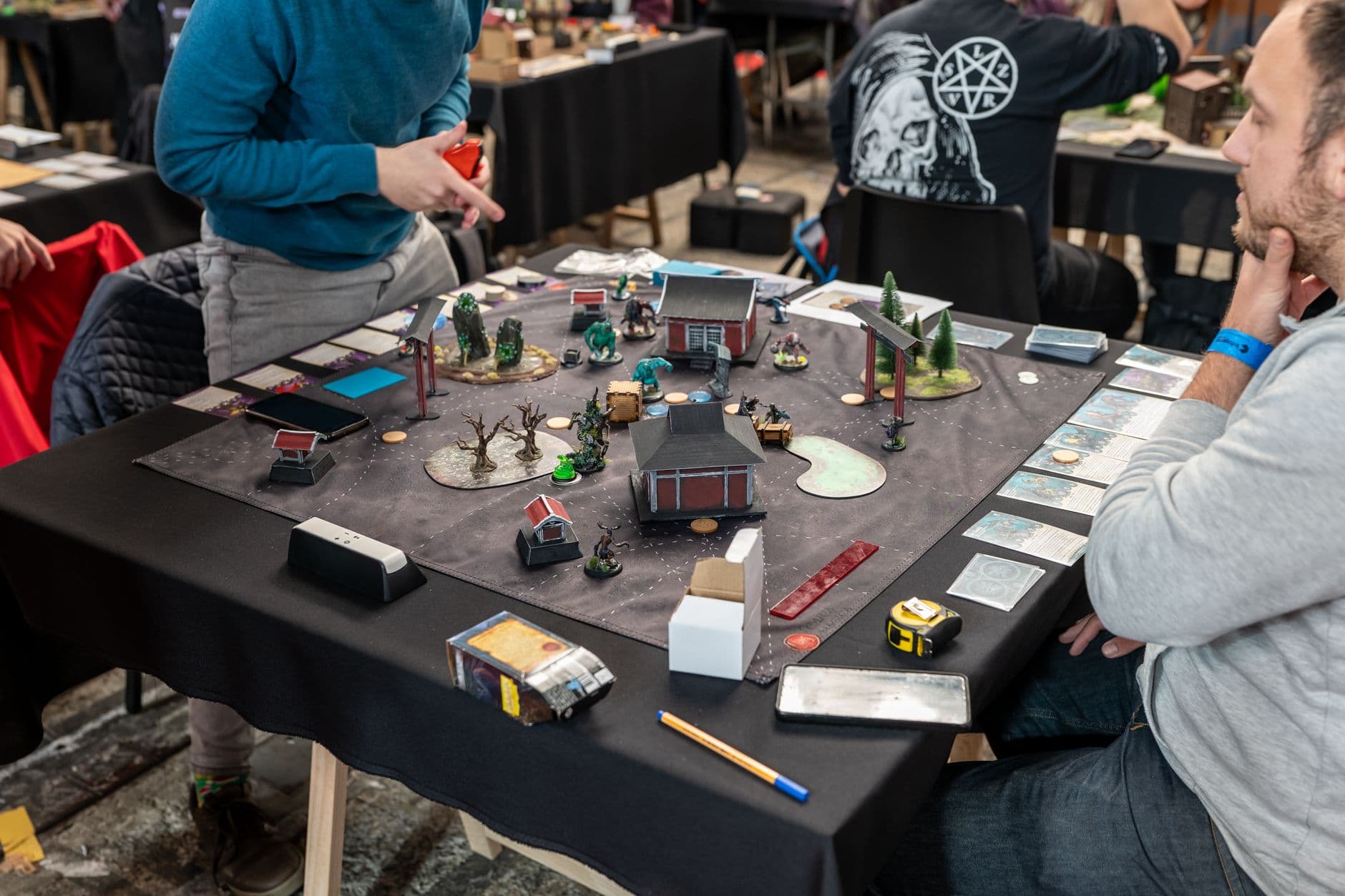
A simple cosmetic swap can turn a spike pit into a poison pit, but it does not give the hazard a pace, a routine, or a role in the encounter. Complex hazards do, which means you can build a set-piece room with a pace, a routine, and a role in the encounter.
What GM Core gives you that guesswork does not
GM Core gives you benchmarks. If you are scaling an encounter, patching an adventure gap, or creating a bespoke threat fast, the book gives you a structure that leads to a balanced result instead of a hope-and-see result. In Pathfinder Second Edition, level, role, and encounter tuning matter enough that a loose homebrew monster can be off by a mile even when the idea is good.
GM Core sits alongside Pathfinder Monster Core, the 376-page standalone monster resource, giving GMs both ready-made creatures and the rules to invent new ones. GM Core itself is a 336-page hardcover that covers campaigns, adventures, hazards, and monsters.
This article was produced by Prism’s automated news system from verified source data, official records, and press releases, then run through automated quality and moderation checks before publishing. The system is built and supervised by the people who set the standards it runs under. Read our full AI policy.
Did this article answer your question?