ArcBlue C42 aims to simplify deep-sky astrophotography with full-frame sensor
ArcBlue’s C42 tries to split the difference between a smart telescope and a full astro rig, using a cooled full-frame sensor and automated tracking to cut setup pain.
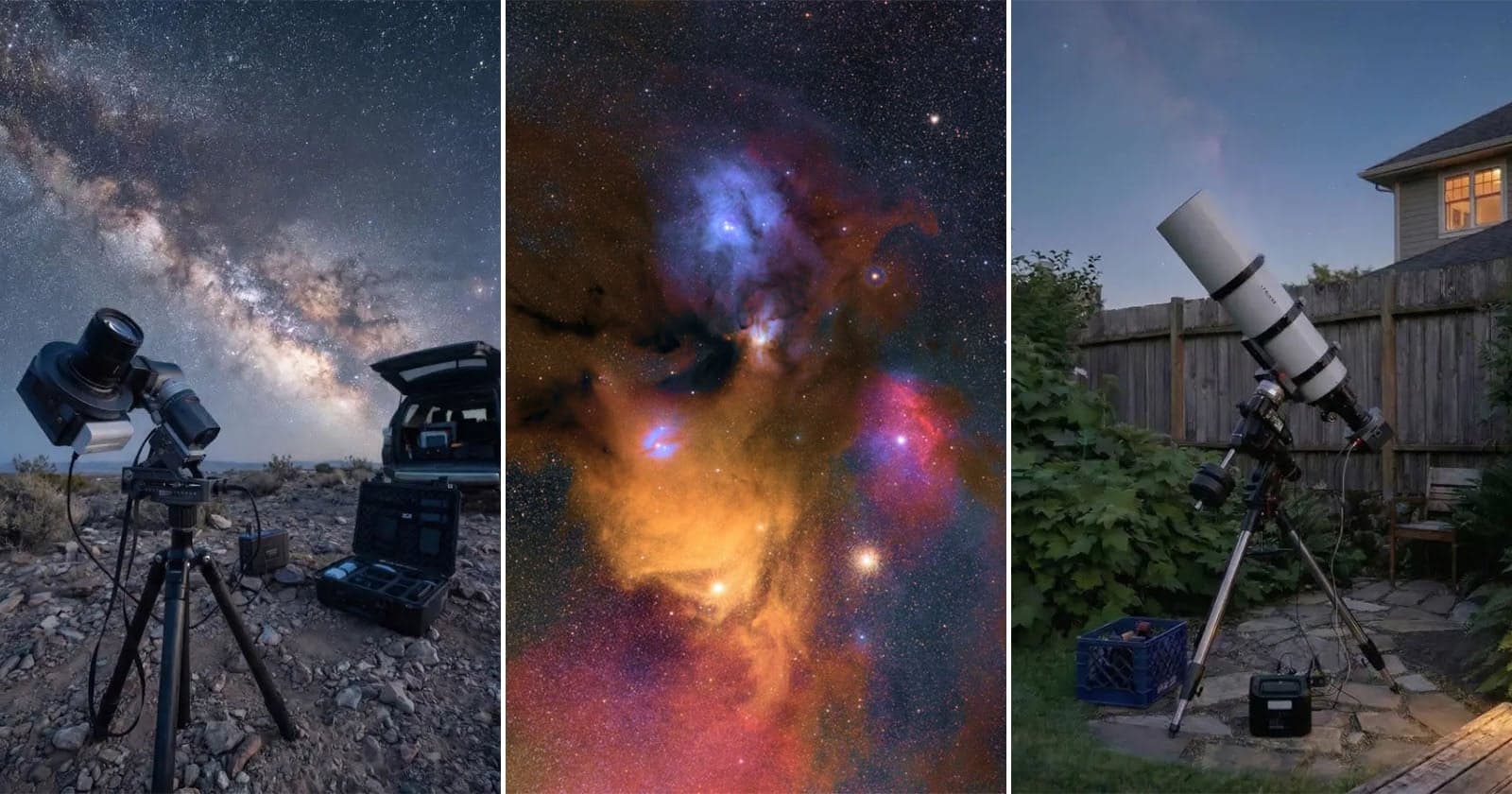
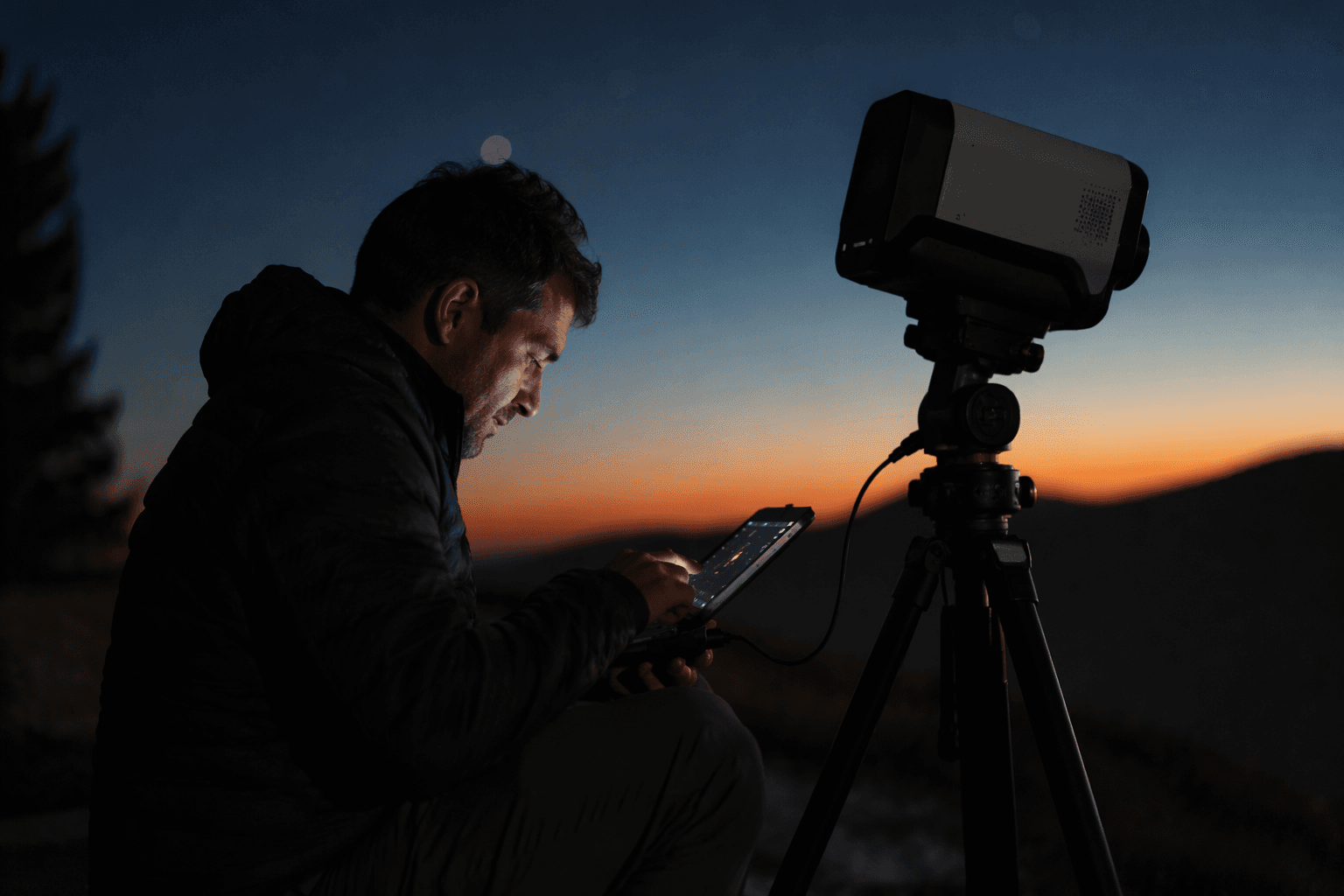
If deep-sky imaging has always lost you at polar alignment, ArcBlue’s C42 was built to erase that friction without shrinking the image circle to a tiny chip. The company pitched it as the world’s first smart full-frame astrophotography system, and the promise is simple: level the rig, point it north, pick a target on a touchscreen, and let the camera and mount do the rest.
That matters because the usual entry to serious astrophotography is a pain. A conventional setup asks for an equatorial mount, careful polar alignment, tracking, guiding and a lot of patience before the first usable frame ever lands. ArcBlue’s answer is to automate the hardest parts while keeping the feel of a real camera workflow. The C42 still gives shooters RAW files afterward, but it also bakes in HDR and stacking so some of the heavy lifting happens in real time instead of later on a laptop.
At the center of the system is a 24-megapixel Sony IMX410 back-illuminated full-frame CMOS sensor, a chip with 5.94 µm pixels that already has a track record in dedicated astro cameras like the QHY410C and ZWO ASI2400MC Pro. ArcBlue paired that sensor with active TEC cooling that can pull the sensor temperature up to 30 degrees Celsius below ambient, which should help hold down thermal noise on long nights under dark skies.
The rest of the pitch leans hard into portability and deployment. ArcBlue says the C42 uses quick-release mechanics and offline GOTO to make it easier to move from site to site, and it describes the system as suitable for a remote-observatory workflow with built-in Ethernet and simplified setup. In ArcBlue’s own words, the aim is to turn “any dark-sky campsite into a portable deep-sky observatory.”
That puts the C42 into a crowded but still fast-growing corner of the market. Smart telescopes from Vaonis, Unistellar, DwarfLab, Celestron and ZWO already sell convenience as the main feature, and Vaonis’ Vespera II has pushed that formula with automated tracking, image stacking and mosaic imaging. Vaonis has also gone far upmarket with Hyperia, a $99,000 smart observatory aimed largely at institutions and museums, with wealthy stargazers also in the frame.
ArcBlue showed the C42 publicly around NAB Show 2026 in Las Vegas and tied the launch to a future Kickstarter campaign rather than an immediate retail release. For photographers who want better deep-sky results without living inside a traditional mount-and-guiding workflow, that is the real question here: whether a full-frame, cooled, automated camera can become the first serious shortcut that still feels like astrophotography, not a black box.
This article was produced by Prism’s automated news system from verified source data, official records, and press releases, then run through automated quality and moderation checks before publishing. The system is built and supervised by the people who set the standards it runs under. Read our full AI policy.
Know something we missed? Have a correction or additional information?
Submit a Tip