Australian Geographic nature photo shortlist spotlights wildlife behavior and dramatic light
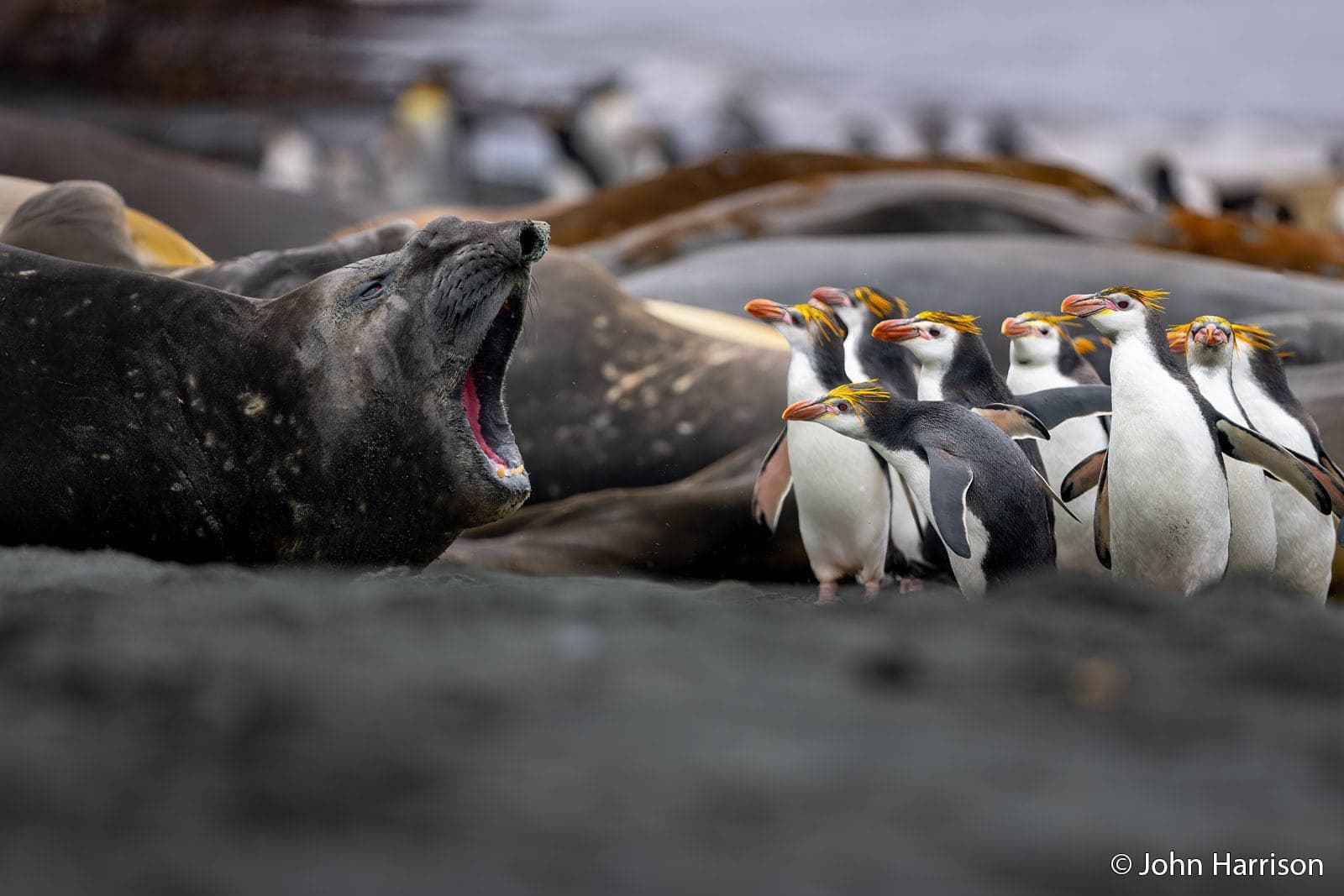
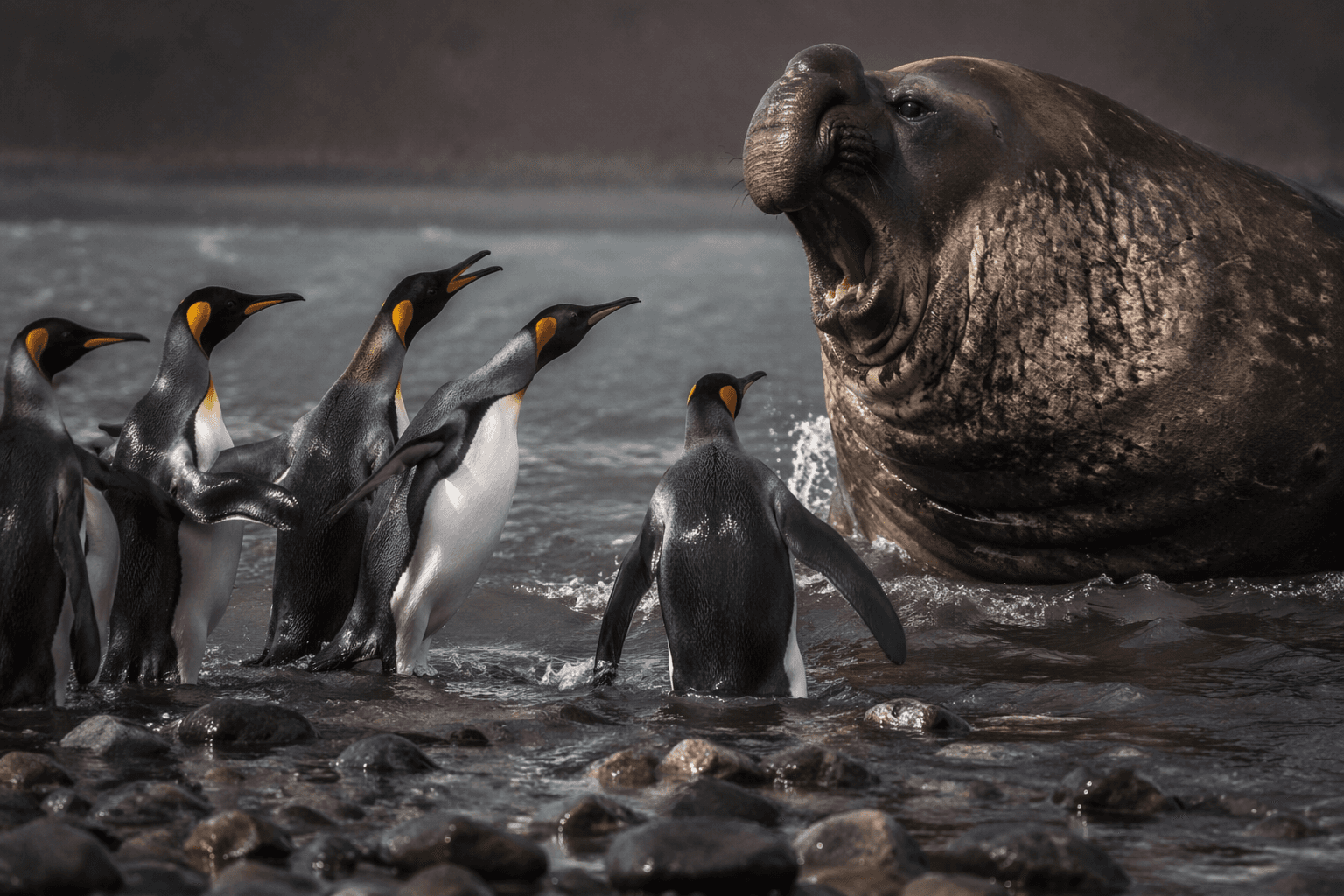
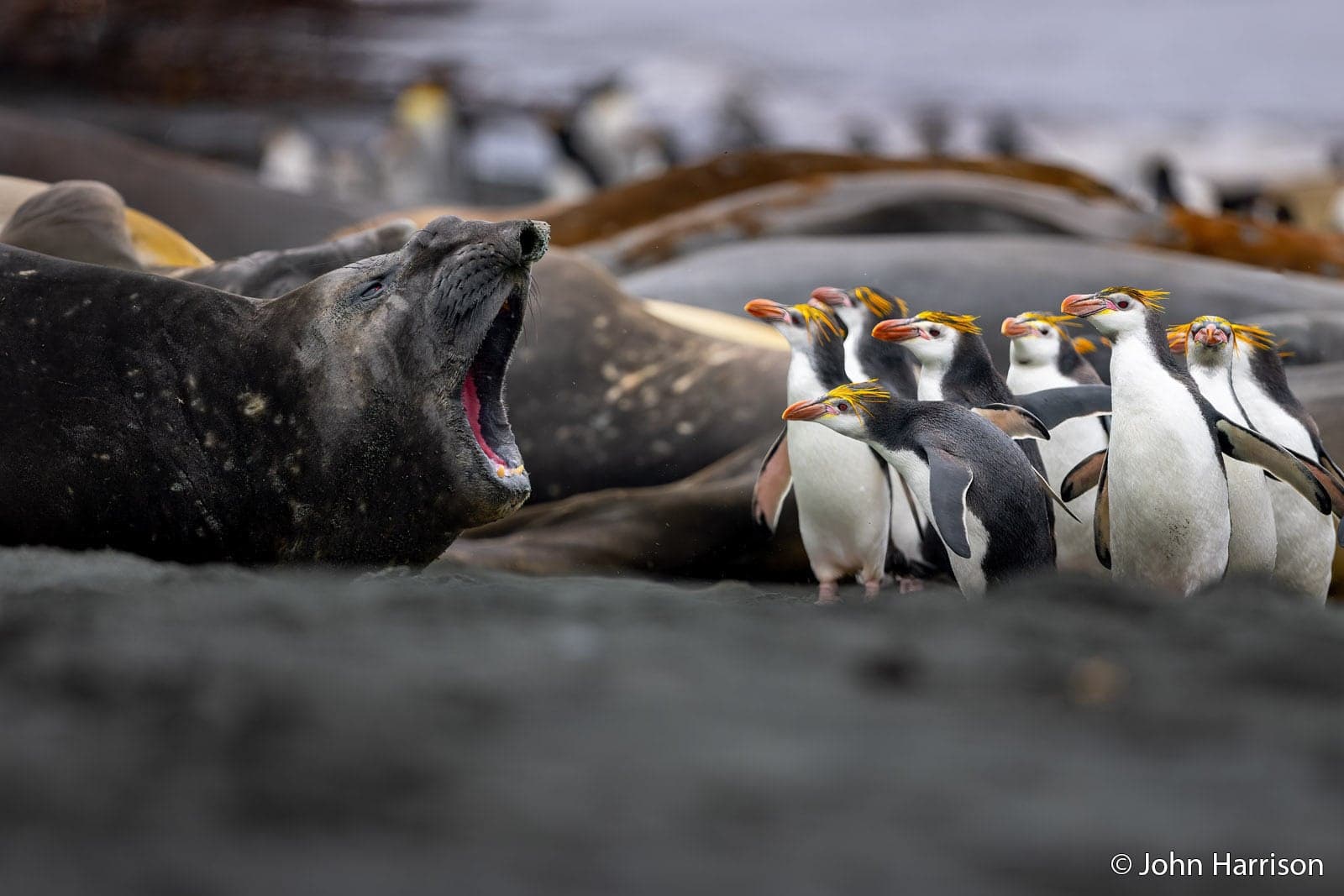
Royal penguins bristling at an elephant seal and 2,129 entries set the tone for a shortlist built on behavior, timing, and dramatic light.
Australian Geographic Nature Photographer of the Year landed on June 22 with 100 shortlisted images pulled from 2,129 entries by 501 photographers in 17 countries. The strongest frames did not just show wildlife. They froze behavior, timing, and light in a way that made the scene read at a glance.
John Harrison’s Right of Way was the cleanest example. The image caught royal penguins pushing for the shoreline while an elephant seal took exception, and that tension is exactly what separates a contest picture from a good field shot. The subject matter is memorable, but the real work is in the timing: Harrison caught the confrontation at the point where the viewer understands the story instantly, without needing a caption to decode it.
That same pressure toward clarity ran through the rest of the shortlist. The 100 photographs were split across Animals in Nature, Animal Behaviour, Botanical, Macro, Landscape, Threatened Species, Monochrome, Our Impact, Portfolio, and Junior. That spread matters because it shows how broad the competition has become within the Australasian bioregion, which covers Australia, New Zealand, Antarctica, and New Guinea. The judges were landscape and aerial photographer Mieke Boynton, 2025 winner Ross Gudgeon, and nature photographer Jake Wilton.
The shortlist also underlined a hard truth for anyone who shoots wildlife and landscape work for fun: owning a long lens is not the same thing as making a frame that survives competition judging. The shortlist included underwater life, macro studies, landscape scenes, and behavior-driven wildlife images, which points to the same set of skills repeating across categories. Patience matters. So does fieldcraft. But the winners are usually the photographers who know when to press the shutter and how to strip a scene down until one gesture, one animal, or one shaft of light carries the frame.
All 100 shortlisted images will go on display at the South Australian Museum in Adelaide starting August 29. Seen together, the shortlist reads like a field guide to what moves the needle in serious nature photography: decisive behavior, clean timing, and light that does more than decorate the subject.
This article was produced by Prism’s automated news system from verified source data, official records, and press releases, then run through automated quality and moderation checks before publishing. The system is built and supervised by the people who set the standards it runs under. Read our full AI policy.
Did this article answer your question?