Beijing tightens drone rules, photographers face new purchase limits
Beijing’s drone clampdown now reaches the checkout counter, with buyers, renters and flyers all needing approval. For photographers, it turns aerial work into a permission-first game.
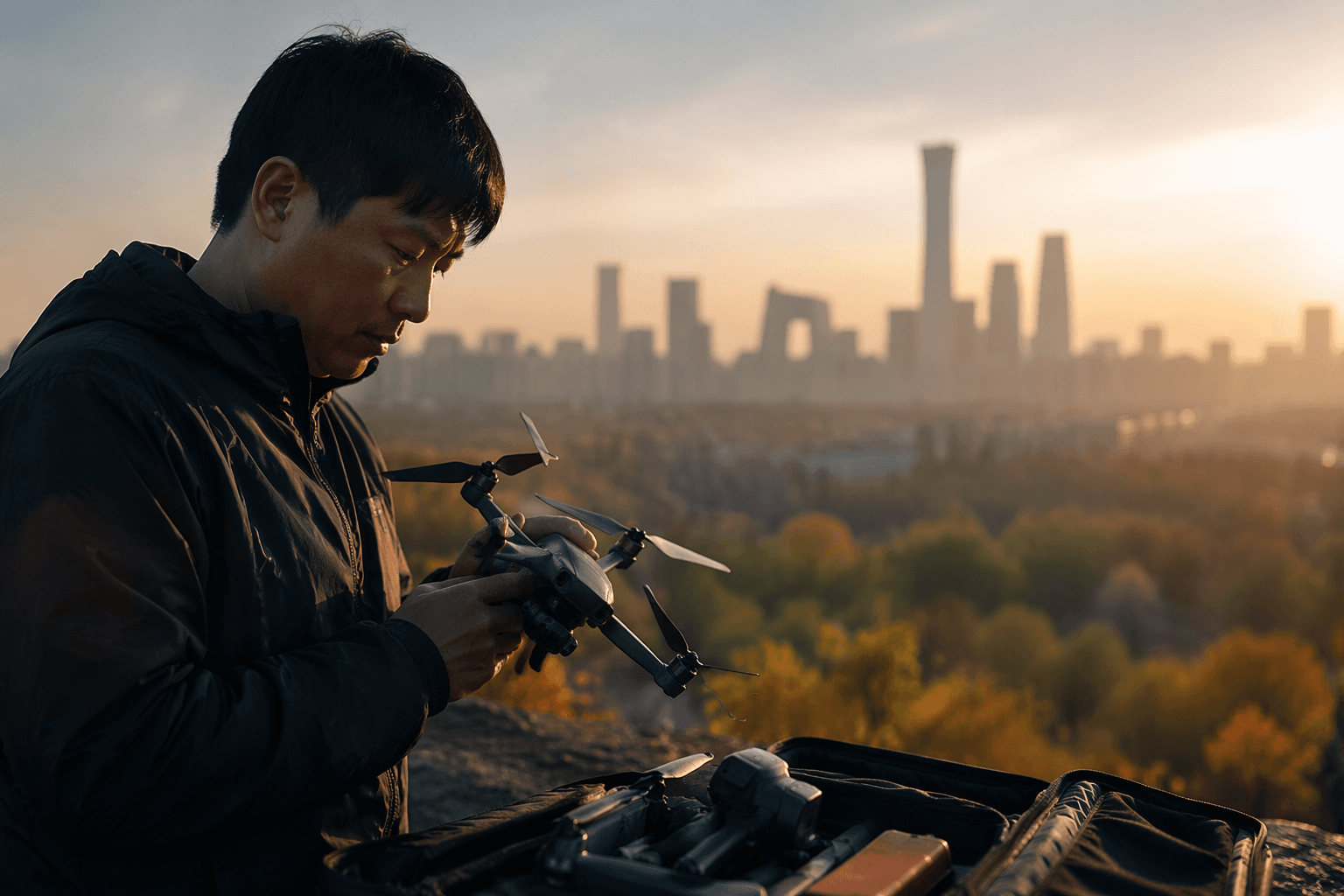
Beijing has turned drone flying into a permission-first activity, and that changes the calculus for anyone who buys aerial gear to shoot the city. Under the new municipal rules, it is no longer legal to buy, rent or fly a drone in Beijing without prior approval, and even moving a drone into the capital now comes with restrictions that reach far beyond the flight line.
The regulation was passed on March 27, 2026, and took effect on May 1. It makes the entire administrative region of Beijing controlled airspace for unmanned aircraft, so every outdoor flight needs approval before takeoff. Existing owners were told to complete real-name registration and activation by April 30, then finish information verification within three months after the rules kicked in. Beijing police also said drones must be registered before being brought into or out of the city, a detail that matters immediately for anyone planning a photo trip with a drone in the bag.
The practical fallout is easy to see. DJI has already removed drones from its Beijing shops, and state media and industry reports say e-commerce shipments into the capital have been interrupted to comply. The law also bans sales and rentals of drones and core components to people and organizations in Beijing, prohibits new storage sites, and forbids storage inside the Sixth Ring Road. Even repair work got caught in the net: users are not allowed to repair or replace drones in Beijing, and drones in repair shops must be picked up in person rather than delivered.
For photographers, this is not just a retail story. It directly shrinks the pool of people who can casually pick up a drone for skyline work, travel footage, real-estate shoots or landscape passes around the city. It also raises the cost and hassle of planning aerial assignments, because the usual buy it, charge it, fly it workflow now runs into approvals, training and compliance checks before the first frame is even shot.

Beijing did build in exceptions for counterterrorism, public security, emergency rescue, major events, education, research, agriculture and sports training or competition. That makes the law look less like a blanket ban than a tightly controlled gate, but the gate is still narrow. The city is trying to protect sensitive airspace while keeping approved uses alive in a market where China is also pushing drone delivery, light shows and other low-altitude business.
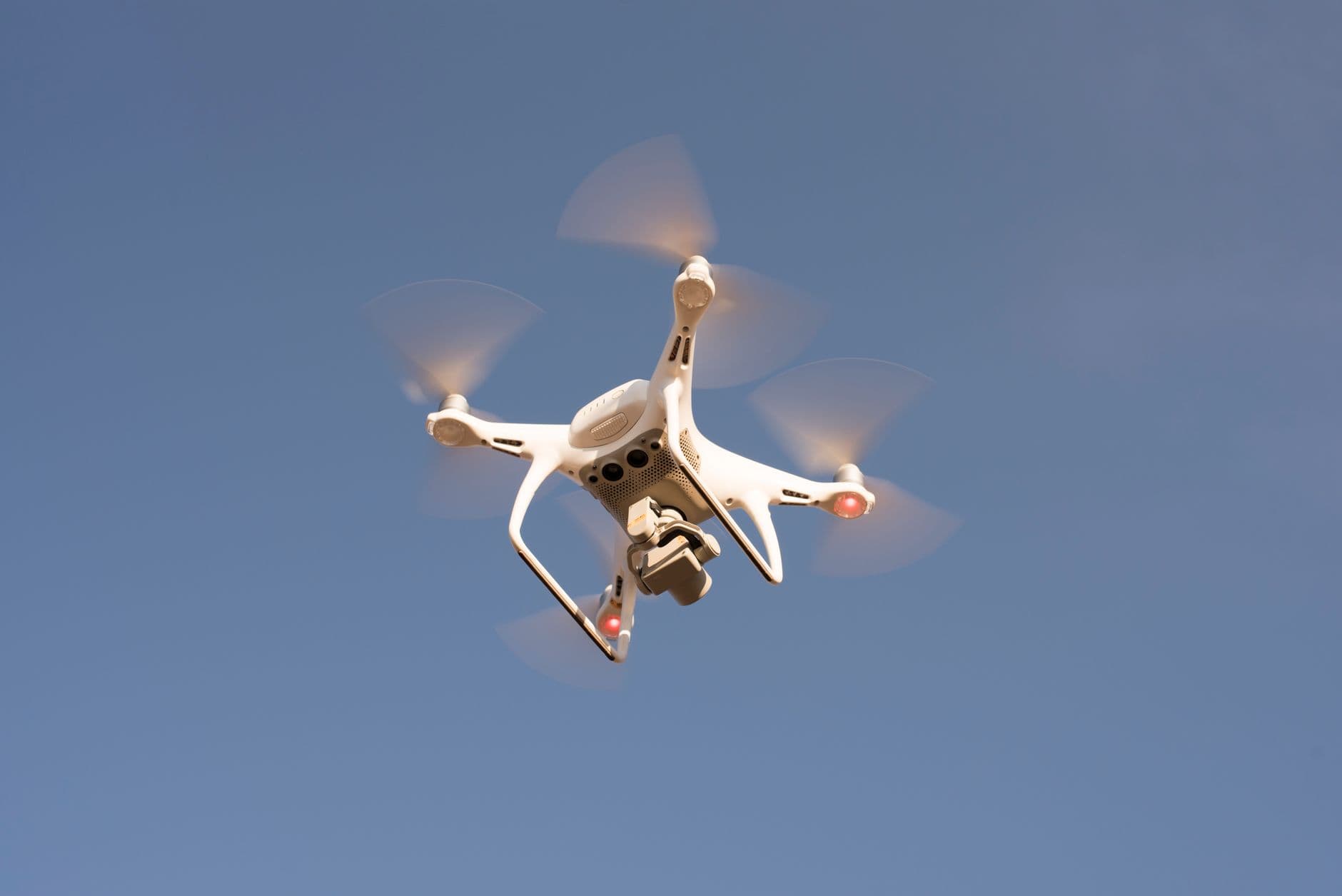
That tension is the real story here. Beijing is one of the world’s most photographed capitals, but the city is now showing how quickly a major market can close off aerial photography without fully shutting down drone technology itself.
This article was produced by Prism’s automated news system from verified source data, official records, and press releases, then run through automated quality and moderation checks before publishing. The system is built and supervised by the people who set the standards it runs under. Read our full AI policy.
Did this article answer your question?