Canon updates flash battery warning, but other brands issue similar cautions
Canon’s updated flash warning says AA/R6 lithium batteries can overheat in Speedlites and battery packs, while Sony, Nikon and OM System have similar limits.
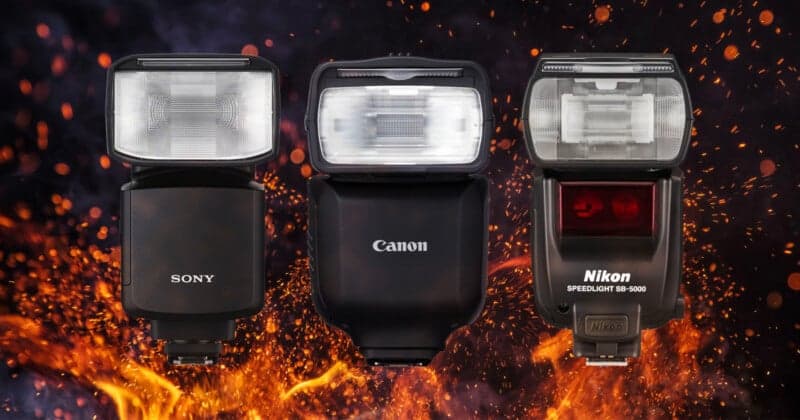
Canon has tightened a warning that matters to anyone putting AA/R6 lithium cells into a Speedlite. The company now says those batteries cannot be used in its Speedlites, Macrolites and compact battery packs because certain lithium cells can become extremely hot during use, turning a routine flash setup into a real safety issue.
The advisory covers 21 Speedlites, along with Macro Ring Lites, Macro Twin Lites and compact battery packs. Canon’s U.S. notice says the risk is not a brand-new discovery but an update to existing guidance, and Canon Latin America has issued the same warning. In rare cases, Canon says, some AA/R6 lithium batteries may reach extremely high temperatures while the flash is firing.
That warning resonates well beyond Canon. Sony’s flash operating instructions say not to use lithium-ion batteries in that flash unit because they may prevent the flash from delivering full performance. OM System’s FL-700WR, a radio-capable flash built for wireless communication and repeated firing, includes safety language warning that hot parts can cause burns, a reminder that compact strobes are sensitive to heat and current draw when they are pushed hard.
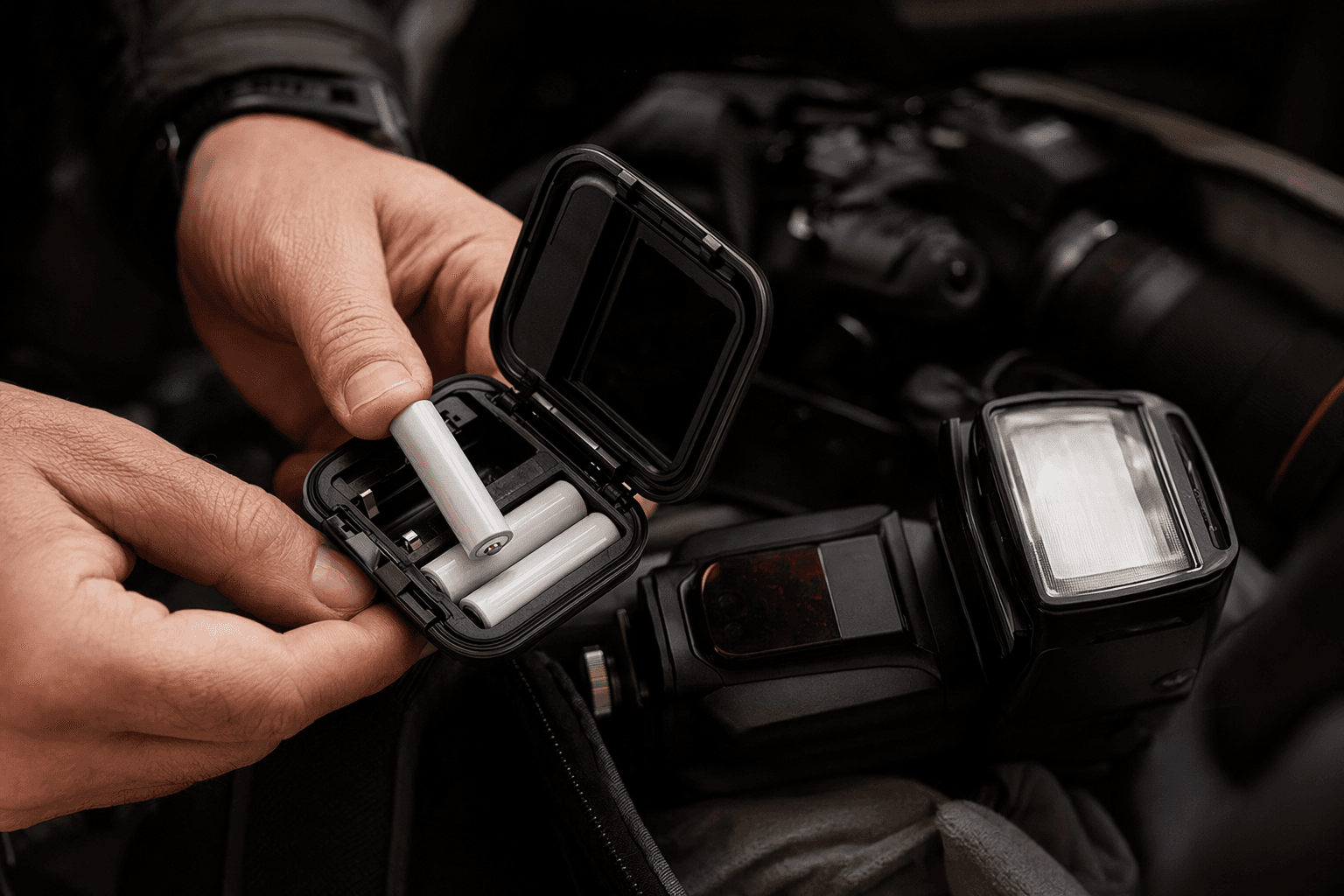
Nikon’s older Speedlight documentation shows how model-specific battery guidance has long been in the mix. The SB-800 product page lists different recycle times depending on battery type, including FR6 lithium AA-size batteries, while the SB-600 page accepts alkaline, lithium, nickel, Ni-Cd and Ni-MH AA cells, as long as all four batteries match. Panasonic’s support materials also take a cautious approach, steering users toward alkaline use in some flash instructions and Ni-MH guidance in battery documentation.
For photographers who rely on portable lighting at events, portraits or macro sessions, the takeaway is straightforward: do not assume every AA battery is safe in every flash. Check the manual for the exact Speedlite or strobe in the bag before loading the tray, especially if fast recycling and repeated bursts are part of the job. In flash gear, the wrong battery chemistry is not a minor preference issue. It can mean excess heat, poor performance or damage that is easy to avoid once the manufacturer’s guidance is followed.
This article was produced by Prism’s automated news system from verified source data, official records, and press releases, then run through automated quality and moderation checks before publishing. The system is built and supervised by the people who set the standards it runs under. Read our full AI policy.
Did this article answer your question?