Do Photographers Really Need 40-Plus-Megapixel Cameras?
More megapixels can help, but they also slow the whole workflow. The smartest camera is the one that matches your prints, crops, and pace.
The myth that more is automatically better
The cleanest way to frame the megapixel debate is the question photographers keep dodging: do you actually need a 40-plus-megapixel camera, or have camera marketing trained you to want one? The answer is rarely as simple as “more detail is better,” because resolution solves some problems brilliantly and creates new ones just as fast. A bigger file can buy you cropping room and print flexibility, but it can also turn every import, backup, and edit into a heavier lift.
That tension has been building for years. Canon’s EOS-1Ds, introduced in 2002, is widely recognized as the first full-frame DSLR with 11.1 megapixels. Nikon’s D7000, announced in 2010, pushed the consumer conversation to 16.2 megapixels. Fast forward to today and Sony is openly selling 61.0MP full-frame bodies in the a7R line, which makes the old arguments about “enough resolution” feel almost quaint.
Where high resolution really pays off
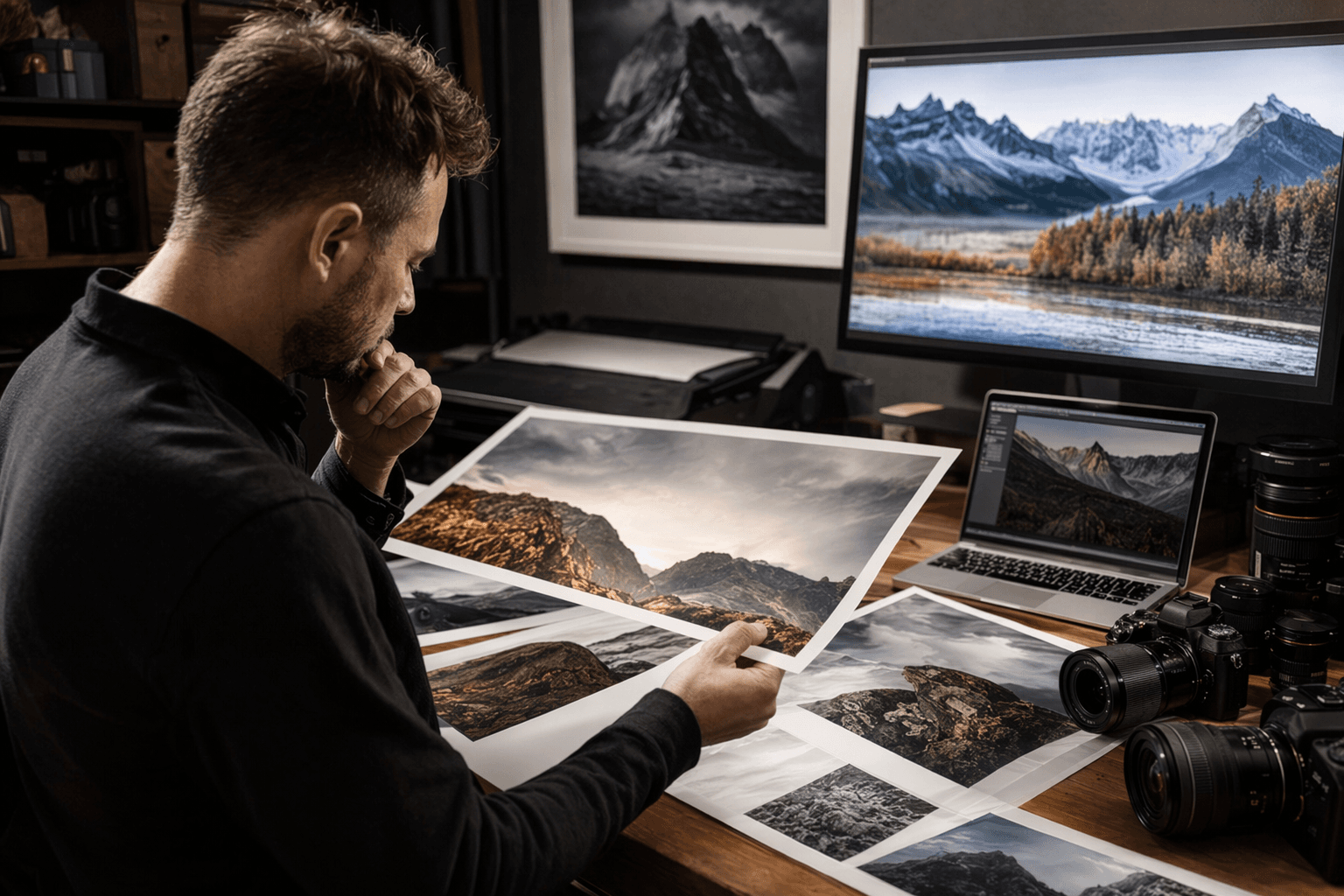
There are real reasons photographers still chase more pixels. Cropping flexibility remains one of the strongest arguments for higher resolution, especially if you shoot wildlife, sports, travel, or anything where the frame does not always land exactly right. Extra pixels can also help when you need large prints, commercial deliverables, or file room for selective detail work in studio and landscape photography.
That is why camera retailers and review copy still sell 40MP-plus bodies as the obvious choice for massive prints and billboard work. In those use cases, resolution is not vanity. It is insurance. If you need to pull a tighter composition from a distant subject or preserve fine texture in a large print, a 40MP or 60MP sensor can be genuinely useful.
Sony’s a7R V, marketed around its 61.0MP sensor and “extraordinary resolution,” is a perfect example of how the industry packages that promise. The pitch is seductive because it offers a measurable advantage you can understand at a glance: more pixels, more detail, more options later. For some photographers, that promise is real and worth paying for.
Where the megapixel chase starts working against you
The problem is that resolution is only one part of image quality, and often not the part that matters most. Lens quality, light, timing, subject access, and technique still decide whether a photo lands. A camera with 61MP cannot rescue soft focus, bad composition, or flat light, and it can easily tempt you into treating crops and pixel peeping like the whole game.
High-resolution files also carry real workflow costs. Bigger files demand more storage, more transfer time, more backup space, and more patience in editing. Even remote shooting and ingest become more demanding when every frame weighs more, and that friction adds up fast if you shoot often or in volume. A technically superior camera can become the slower camera in practice.
That is why some photographers end up with expensive bodies that make their working life harder instead of better. If you are not making giant prints, if you rarely crop aggressively, and if your work lives mostly online or in routine print sizes, very high resolution may be solving a problem you do not have. In that case, the camera’s file burden can become more noticeable than any benefit from the extra detail.
The use case test that matters more than the spec sheet
The most useful question is not whether 40-plus megapixels is impressive. It is whether that level of resolution fits the way you actually shoot. If your work regularly involves large-format prints, heavy cropping, commercial retouching, or meticulous detail, the extra pixels can earn their keep. If your images are mostly shared on screens, printed at standard sizes, or made in fast-moving situations where handling and speed matter, the gain is much smaller.
A lower-resolution camera that fits your hands, your storage, and your pace can produce better photographs than a spec-heavy body that slows you down. That is the part the megapixel race tends to hide. Resolution is a tool, not a verdict on skill, and it should never distract from the things that consistently make photographs stronger: good light, good timing, strong lenses, and confident decisions in the field.
- Choose high resolution if you routinely crop hard, print large, or deliver detail-critical commercial work.
- Skip the jump if your files already cover your prints and sharing needs with room to spare.
- Pay attention to the entire pipeline, because storage, backup, transfer, and editing all get more expensive in time and money as files grow.
- Remember that 61MP is not a substitute for subject access, steady technique, or a lens that resolves cleanly.
The real answer behind the arms race
The megapixel arms race keeps winning marketing battles because the numbers are easy to sell. Eleven becomes sixteen, sixteen becomes forty, and forty becomes sixty-one, each jump packaged as progress you can feel immediately. But photographers know the real world is messier than that. More resolution can be a gift when the job demands it, and a distraction when it does not.
That is the point worth holding onto. Buy the camera that matches the way you make pictures, not the one that flatters the spec sheet. For a lot of photographers, especially those who do not need wall-sized prints or aggressive crops, the smartest upgrade is still not more pixels. It is a camera that disappears in use and leaves room for the image to do the talking.
This article was produced by Prism’s automated news system from verified source data, official records, and press releases, then run through automated quality and moderation checks before publishing. The system is built and supervised by the people who set the standards it runs under. Read our full AI policy.
Did this article answer your question?