Blood Bonds Pairs Rwandan Genocide Survivors with Their Attackers
Jan Banning and Dick Wittenberg turn reconciliation into something you have to look at straight on. Their 18 double portraits make Rwanda’s genocide aftermath feel immediate, uneasy, and impossible to sentimentalize.
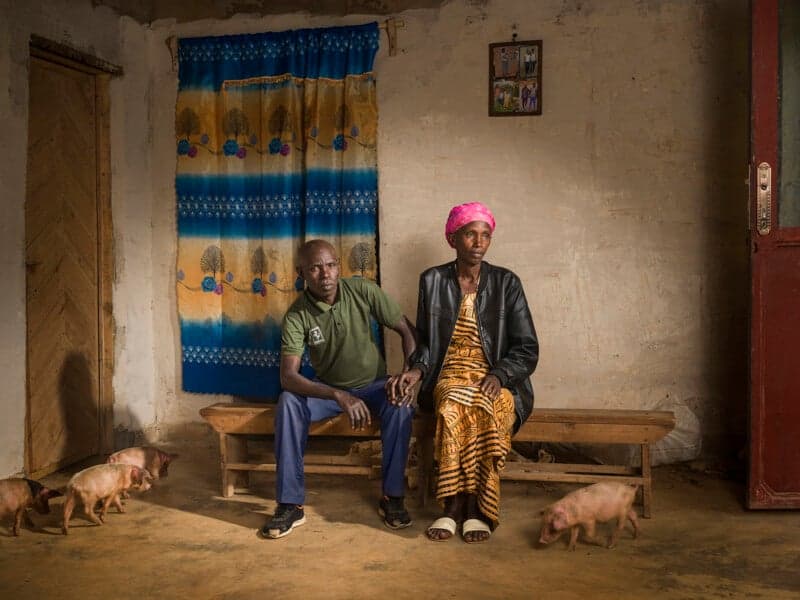
The portraits refuse to let you look away
Jan Banning and Dick Wittenberg’s *Blood Bonds: Reconciliation in Post-Genocide Rwanda* is not built to comfort you. It pairs survivors of the 1994 Rwandan genocide with the men who harmed them or their families, then asks the camera to hold both people in the same frame. That simple structure is what makes the work so unsettling and so useful: it turns reconciliation into a visual fact, not a slogan.
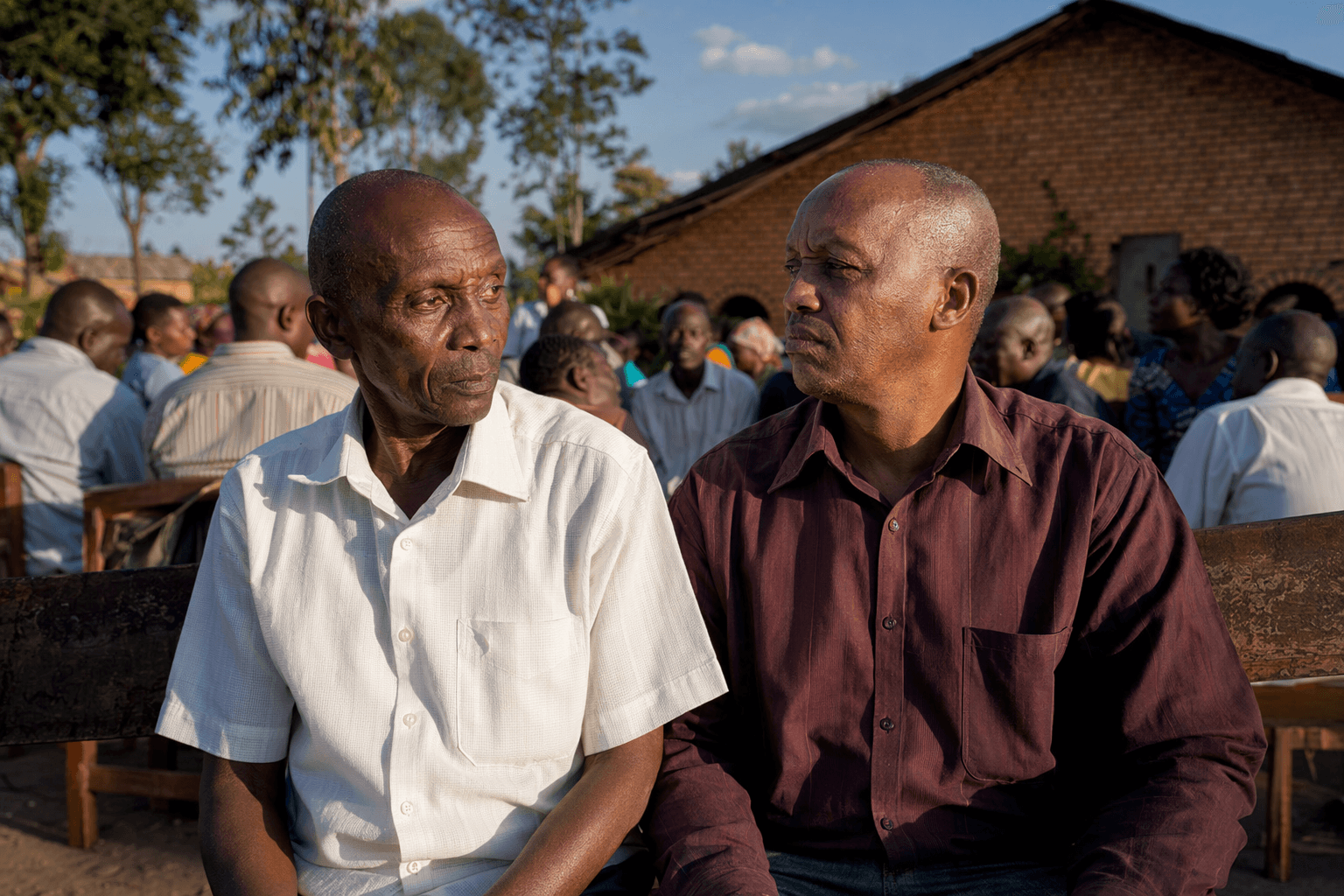
The book centers on 18 double portraits, and that number matters. It is small enough to feel intimate, but large enough to show that this is not a one-off miracle story. Banning also includes a 3,000-word philosophical essay on forgiveness by Marjan Slob, which pushes the project beyond portraiture alone and into moral inquiry. What you get is documentary photography with its elbows out, insisting that the viewer sit with both the human connection and the history that made it almost unbearable.
Why the images hit so hard
The power of the project comes from the collision between ordinary portrait language and extraordinary violence. In Rwanda, the genocide ended after 100 days with an estimated 800,000 to one million people dead, largely Tutsis but also Hutus. Much of that killing was face-to-face, carried out by neighbors, teachers, clergy, and relatives. Once you know that, the portraits stop reading as reconciliation kitsch and start reading as evidence of how close atrocity can be to daily life.
That proximity is what makes the images visually unsettling. These are not abstract symbols or anonymous survivors standing in for a national trauma. They are people who still live in the same villages, still move through daily routines, and in some cases still share meals and social lives despite histories that should have made that impossible. The camera does not soften that contradiction. It exposes it.
For documentary photographers, that is the key lesson here: the frame becomes strongest when it can hold moral dissonance without collapsing into sentimentality. Banning is not asking the viewer to admire forgiveness from a safe distance. He is showing how hard, incomplete, and socially embedded reconciliation really is.
The ethics are the point, not an afterthought
A project like this lives or dies on consent, and the ethical pressure is part of the work’s meaning. Banning and Wittenberg are not presenting survivors and perpetrators as spectacle. They are making portraits of people who have chosen, in some form, to appear together, and that choice changes how the viewer reads every expression, every bit of body language, every inch of shared space.
That matters because the subject is not reconciliation as a headline, but reconciliation as a long human process. The book frames it as something that can take years or even generations after genocide. That is a much less marketable idea than instant healing, but it is much truer to the realities on the ground. The photographs become ethically persuasive because they do not pretend the past disappeared. They show how people live with it.
The inclusion of Marjan Slob’s essay sharpens that ethical frame. A philosophical text on forgiveness alongside the portraits signals that the book is not trying to use photography to replace thought. It is using photography to force thought.
Rwanda’s reconciliation system gives the project its backbone
The book lands differently because Rwanda has spent years building formal and community-level mechanisms for dealing with the genocide’s aftermath. After the violence, authorities linked justice and reconciliation through gacaca courts, requiring accused people to acknowledge responsibility in return for the government’s objective of national reconciliation and unity. That is not a minor policy detail. It explains why this project can exist at all in the form it does.
A background report on the project notes that CBS Rwanda introduced a community-based sociotherapy program in 2005, another layer in the country’s effort to rebuild social trust. The same context says more than 20% of Rwandans face trauma, and the rate is above 50% among survivors. Those numbers matter because they remind you that these portraits are not depicting a closed chapter. They are documenting a society still working through the psychological wreckage in public and private ways.
That is also why moments of ordinary social life in the project matter so much. Survivors and perpetrators have been known to live near each other, reconcile, and even dance together at parties. That kind of detail can sound almost impossible until you understand the structure of daily life after mass violence. Banning and Wittenberg’s book captures that uneasy normality without pretending it erases the past.
How to read the book as documentary photography
If you approach *Blood Bonds* as a human-interest story, you miss the sharper thing it is doing. Human-interest coverage often asks you to feel moved by redemption. Documentary photography, at its best, asks you to understand the systems, the scars, and the social arrangements that make such a scene possible. This book belongs in that second category.
Read the portraits as evidence of negotiated coexistence. Read the body language as part of the narrative, not decoration. Read the paired format as the central argument: that the visual shock comes from forcing two people with incompatible histories into a shared documentary space and refusing to edit out the discomfort. The images do not reconcile the viewer to genocide. They show what reconciliation looks like when it has to live next door to atrocity.
The named figures attached to the project, including Marianna Nyirantagorama, Marc Nyandekwe, Celestin Kayijuka, and Jean Marie Mukyenrwari, underline that this is grounded in real lives, not generalized symbolism. That specificity is what gives the book its force. It is not a meditation on forgiveness floating above history. It is a record of people who still have to carry history into the room with them.
Why this book matters now
The publication path also tells you something about the project’s reach. Banning said the book would be published in English and Dutch by Lecturis in July 2025, while later bookseller listings placed it in September or November 2025. The shifting dates are less important than the fact that the work is being positioned for a wider readership, not just a niche academic one. That makes sense, because the book speaks to one of photography’s hardest jobs: showing reconciliation without laundering violence.
In the end, *Blood Bonds* matters because it understands that the most difficult documentary images are not the ones that merely show pain. They are the ones that make you confront how people continue afterward, how they share roads, fields, villages, and sometimes tables with the people who shattered their lives. That is where the book earns its place, not as a feel-good story, but as a serious document of survival, proximity, and the long, unfinished labor of living together.
This article was produced by Prism’s automated news system from verified source data, official records, and press releases, then run through automated quality and moderation checks before publishing. The system is built and supervised by the people who set the standards it runs under. Read our full AI policy.
Did this article answer your question?