Do More Megapixels Still Matter, Cameras Face a Resolution Reckoning
More megapixels can help, but the payoff is narrower than the marketing says. For many shooters, the real cost is bigger files, slower edits, and more storage.
Megapixels are not free
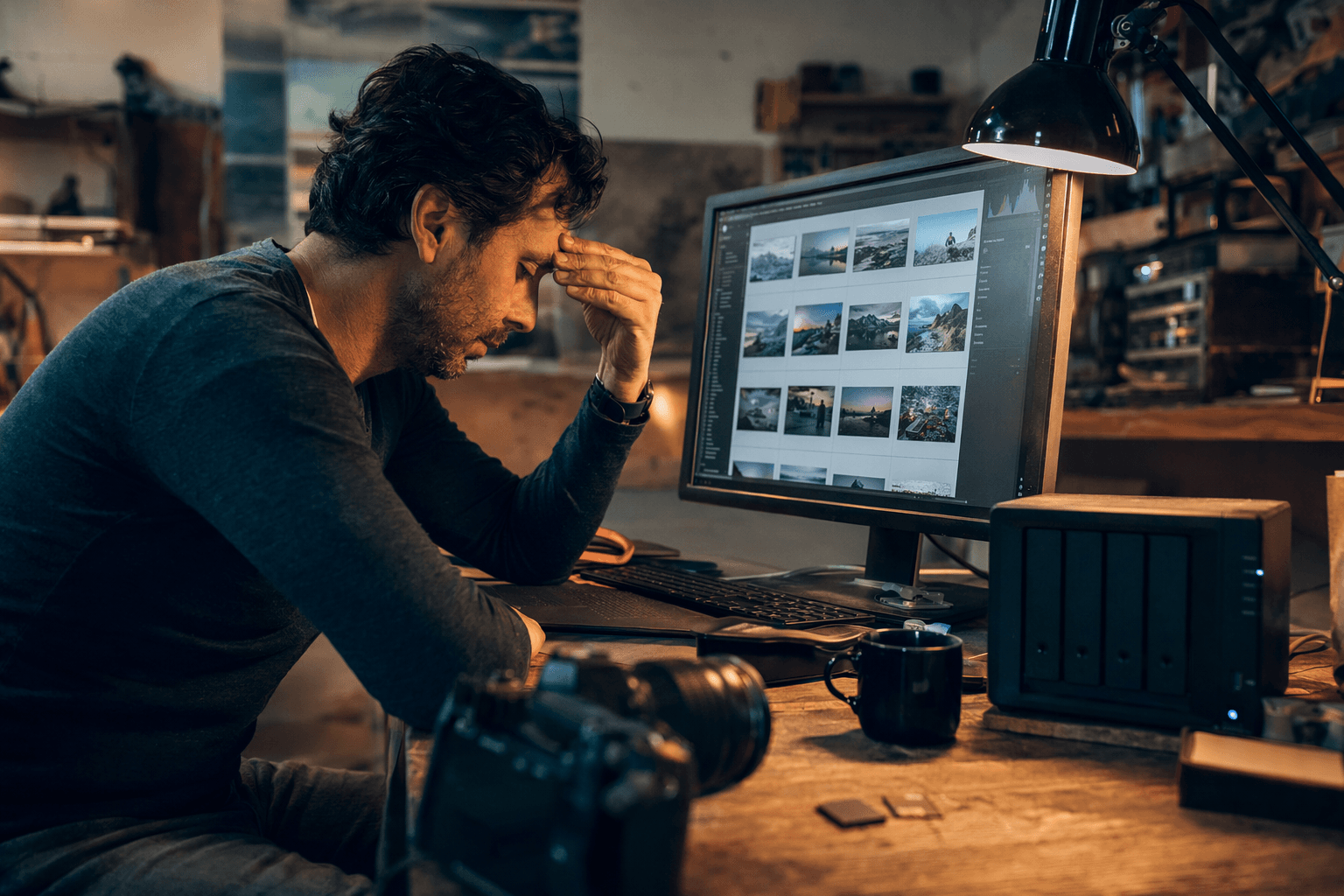
The megapixel race sounds like a pure upgrade until you live with the files. More resolution means more storage, more time offloading cards, more RAM pressure in editing, and more patience spent waiting for previews, exports, and backups to finish. That is the real consumer question now: what do you gain from extra pixels, and what do you pay for them in day-to-day work?
The answer is not “more is always better.” It depends on whether you print huge, crop hard, shoot demanding subjects, or mostly deliver images for screens and normal-size prints. A camera with 61 megapixels can be a gift in the right hands, but it can also be a headache if your workflow is built around speed and simplicity.
Why camera makers keep pushing resolution
This is not a new argument. Canon launched the EOS 5DS and 5DS R in 2015 as 50.6-megapixel full-frame DSLRs, and Canon’s own materials said the point was large-scale printing plus more trimming and post-editing flexibility. Sony followed with the 61-megapixel a7R IV in July 2019, which it described as its highest-resolution full-frame camera ever, while also emphasizing high image quality and wide dynamic range. Then came Sony’s Alpha 1 in January 2021 with a 50.1-megapixel full-frame sensor, and Nikon’s Z 9 in March 2021 with a 45.7-megapixel stacked full-frame sensor and EXPEED 7 processing.
That lineup tells you everything you need to know about how manufacturers sell resolution. High megapixel counts are not just about bragging rights; they are positioned as tools for printing, cropping, and commercial flexibility. The catch is that the rest of the camera has to keep up, because resolution by itself is only one piece of image quality.
What extra megapixels actually buy you
The biggest practical win is crop room. If you shoot wildlife, birds, distant action, or anything where you cannot physically get closer, extra pixels give you more leeway to trim the frame without the image falling apart. The same logic applies to landscape, commercial, and fine-art work, where a client may want very large prints or a file that can survive heavy post-production.
That is where a 50.6-megapixel Canon 5DS R, a 50.1-megapixel Sony Alpha 1, a 45.7-megapixel Nikon Z 9, or a 61-megapixel a7R IV earns its keep. They let you pull more detail out of a scene when the subject is small in the frame or when the final output needs to hold up at serious print sizes. If your work routinely lands on gallery walls, glossy spreads, or billboard-scale displays, resolution can be a genuine advantage, not a spec-sheet trophy.
The hidden cost: storage, speed, and editing time
The downside is boring but very real. High-resolution files chew through card space and hard drive space fast, and once you start stacking RAW files, previews, and backups, the total footprint climbs quickly. Editing also gets heavier. More pixels mean more data for your computer to render, which can slow culling, masking, sharpening, and export time, especially if your machine is not built with plenty of RAM and a fast drive.
There is another tradeoff that gets ignored in marketing copy: bigger files can make a trip or assignment feel more cumbersome. If you are shooting a lot of frames, reviewing them on location, or turning around edits under deadline, resolution can turn into friction. The best high-megapixel camera is the one whose files your workflow can actually handle without bogging down everything else.
Why more pixels can also hurt image quality
DXOMARK has pointed to a broader sensor trend: resolution keeps rising while photosites get smaller. That matters because shrinking photosites can affect image-quality attributes depending on sensor design. In plain language, cramming more pixels onto a sensor is not automatically a win if the rest of the design cannot protect sharpness, noise performance, and dynamic range.
That is why older complaints about high-resolution sensors never really disappeared. More photosites can bring more detail, but they can also make noise and lower dynamic range harder to manage in some designs. The final result depends on the whole camera, not just the number printed on the box.
Where extra megapixels are worth it
- Wildlife and birds, where crop flexibility is often the difference between a usable frame and a missed shot.
- Landscape work, where fine texture and large prints matter.
- Commercial and product photography, where files may be retouched heavily and delivered at large sizes.
- Fine-art printing, where the final output can reward every extra bit of detail.
The cleanest way to think about resolution is by job, not ego. Extra megapixels make sense when the image will be pushed hard after capture. That includes:
In those cases, higher resolution is not vanity. It is insurance. You are buying margin, and margin costs money in storage, speed, and sometimes camera price.
Where megapixels matter less than the rest of the system
For everyday shooting, the equation changes fast. If most of your images live on phones, laptops, social feeds, or modest prints, resolution is rarely the first bottleneck. Sensor size, lens optics, autofocus performance, and processing quality usually matter more to the final look than pushing from a sensible resolution to a very high one.
That is why many photographers treat megapixels as one ingredient, not the recipe. A great lens on a well-processed sensor will beat a massive pixel count trapped behind mediocre glass or weak image processing. If the camera gives you enough resolution for your output, the smarter move is often to prioritize files that are easier to handle and a system that lets you shoot more comfortably.
The real resolution reckoning
The industry has already proven it can keep climbing. Canon, Sony, and Nikon all used high-resolution full-frame cameras to make a point, and they were not wrong to do so. But the conversation has matured beyond “how many megapixels can we cram in?” to “how much detail do you actually need, and what are you willing to give up to get it?”
That is the reckoning. More pixels are still valuable, but only when they solve a real problem. If your work demands huge prints, aggressive crops, or meticulous commercial detail, the extra resolution pays its way. If your files mostly need to move quickly from camera to screen, the smartest camera may be the one that stops chasing numbers and starts respecting your time.
This article was produced by Prism’s automated news system from verified source data, official records, and press releases, then run through automated quality and moderation checks before publishing. The system is built and supervised by the people who set the standards it runs under. Read our full AI policy.
Did this article answer your question?