DPReview tests Nikon's lighter Nikkor Z 70-200mm F2.8 VR S II
Nikon’s new 70-200mm f/2.8 trims enough weight to matter in the hand, not just on a spec sheet. DPReview’s field test shows why 998 g changes the calculus for all-day shooting.
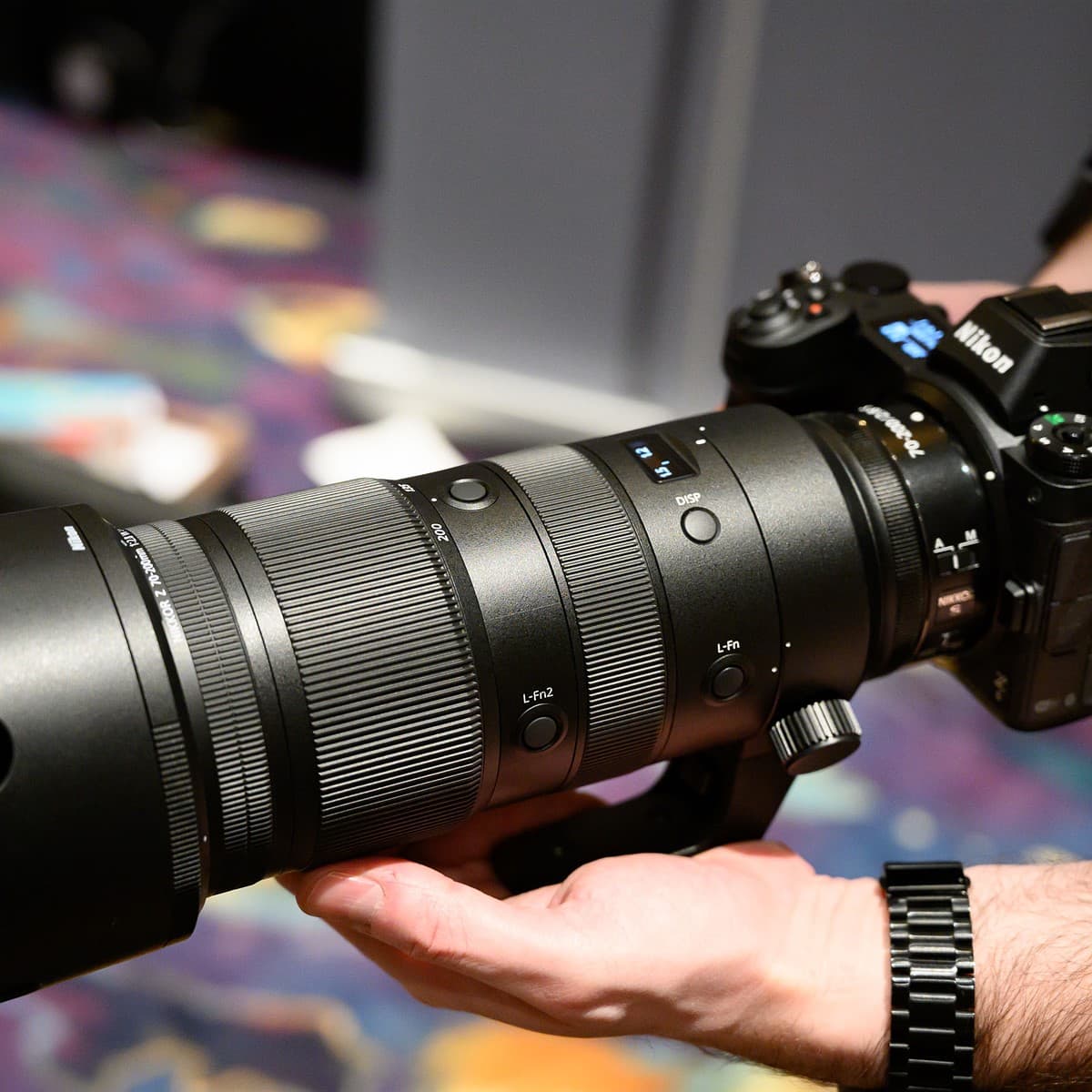
A 998 g 70-200mm f/2.8 is the kind of number that changes whether you bring the lens at all. DPReview’s hands-on test of Nikon’s refreshed Nikkor Z 70-200mm F2.8 VR S II puts that weight loss in the right frame: portraits, firefighting aircraft, and real shooting, not a bench full of charts. The question is not whether Nikon tweaked a flagship zoom. It is whether the redesign makes a classic pro lens easier to carry, easier to handhold, and easier to live with for a full day.
Why this update matters
Nikon is not treating this as a minor trim. The company says the new lens is 26% lighter than the original Nikkor Z 70-200mm f/2.8 VR S, and the comparison is stark: 998 g versus 1,440 g. That is roughly 442 g off the bag, which is enough to feel it in a shoulder strap, on a monopod, or when you are working one-handed between setups.
That matters because the 70-200mm f/2.8 is not a vanity lens. It is the telezoom that lives on bodies for portraits, weddings, events, sports, and filmmaking, exactly the kind of assignment where you do not get to set the lens down every ten minutes. Nikon’s US product page makes that target audience explicit, and the lighter build lines up with it.
What Nikon changed under the shell
Nikon says the redesign goes beyond shaving grams. The new lens uses an internal zoom design, and the company says the center of gravity stays more stable while zooming. That is the sort of change you notice in real use, especially if you work handheld or on a gimbal, where a lens that shifts its balance can turn a smooth move into a small fight.
The company also says the weight reduction comes from thinner elements, fewer optical elements, and fewer moving or mechanical components. Nikon has kept the lens weather sealed for difficult conditions and added a hydrophobic fluorine-coated front element. It also supports teleconverters, so the lens still fits into the longer-reach workflow that pro Z-mount shooters expect from a 70-200.
What changed for stabilization and close-up work
DPReview’s announcement coverage added two practical details that matter in the field. First, Nikon increased stabilization to 6 stops from 5.5 EV. Second, minimum focus distance improved to 0.38 m at 70mm and 0.8 m at 200mm. Those are not headline-grabbing specs, but they shape the way the lens behaves when you are pushing for a tighter portrait, working close on details, or trying to hold a shot steady at the long end.

Nikon also dropped the top-mounted display. That is one of the easier ways to see this as a true redesign rather than a cosmetic refresh. The tradeoff is clear: fewer bells on the barrel, more attention on balance, stabilization, and the way the lens handles when it is hanging off your camera for hours.
What the field test says about real shooting
DPReview’s June 26 hands-on test is useful because it leaves the spec sheet behind and makes the lens do actual work. The team shot portraits, firefighting aircraft, and other real-world subjects, which is exactly the right mix for a 70-200mm f/2.8. That focal range has to move from compressed portrait framing to action capture without feeling like a burden, and a lighter lens changes how often you are willing to keep it mounted.
This is where the 998 g figure stops being abstract. On paper, 26% lighter sounds like a nice engineering win. In practice, it is the difference between a telezoom that feels like it belongs in the camera bag and one that can stay on the body through a long wedding, a sideline shift, or an afternoon of aviation shooting. The lighter build also reinforces Nikon’s push toward handheld comfort, which is the real point of the redesign.
Who this lens is for now
Nikon’s positioning is clear: portraits, weddings, events, sports, and filmmaking. That is the same broad pro territory the original Z 70-200mm f/2.8 VR S aimed at when it launched in January 2020 and reached broader availability later that year. The difference now is that Nikon has made a deliberate play for less fatigue and better day-long usability instead of simply trying to preserve the old formula.
The launch timing and pricing tell the same story. Nikon announced the lens on February 23-24, 2026, said it would ship in late March 2026, and set the suggested retail price at $3,199.95. This is still a premium professional lens, not a value play. But if you spend your time under a camera with a 70-200 attached, the lighter body and steadier handling are the kinds of upgrades you feel before you ever zoom in on a file.
The real question for current owners is not whether Nikon made the lens smaller on a spec sheet. It is whether you want a 70-200mm f/2.8 that asks less of your shoulders, your wrists, and your attention all day long. On that score, the new version looks less like a routine refresh and more like the first Nikon 70-200 Z shooters may actually want to carry without thinking twice.
This article was produced by Prism’s automated news system from verified source data, official records, and press releases, then run through automated quality and moderation checks before publishing. The system is built and supervised by the people who set the standards it runs under. Read our full AI policy.
Did this article answer your question?