Event Photography Demands Speed, Redundancy, and Constant Anticipation
The clean gallery is the end of the job, not the easy part. Event photography is really about timing, backup plans, and reading the room before the moment disappears.
The polished images hide the real workload
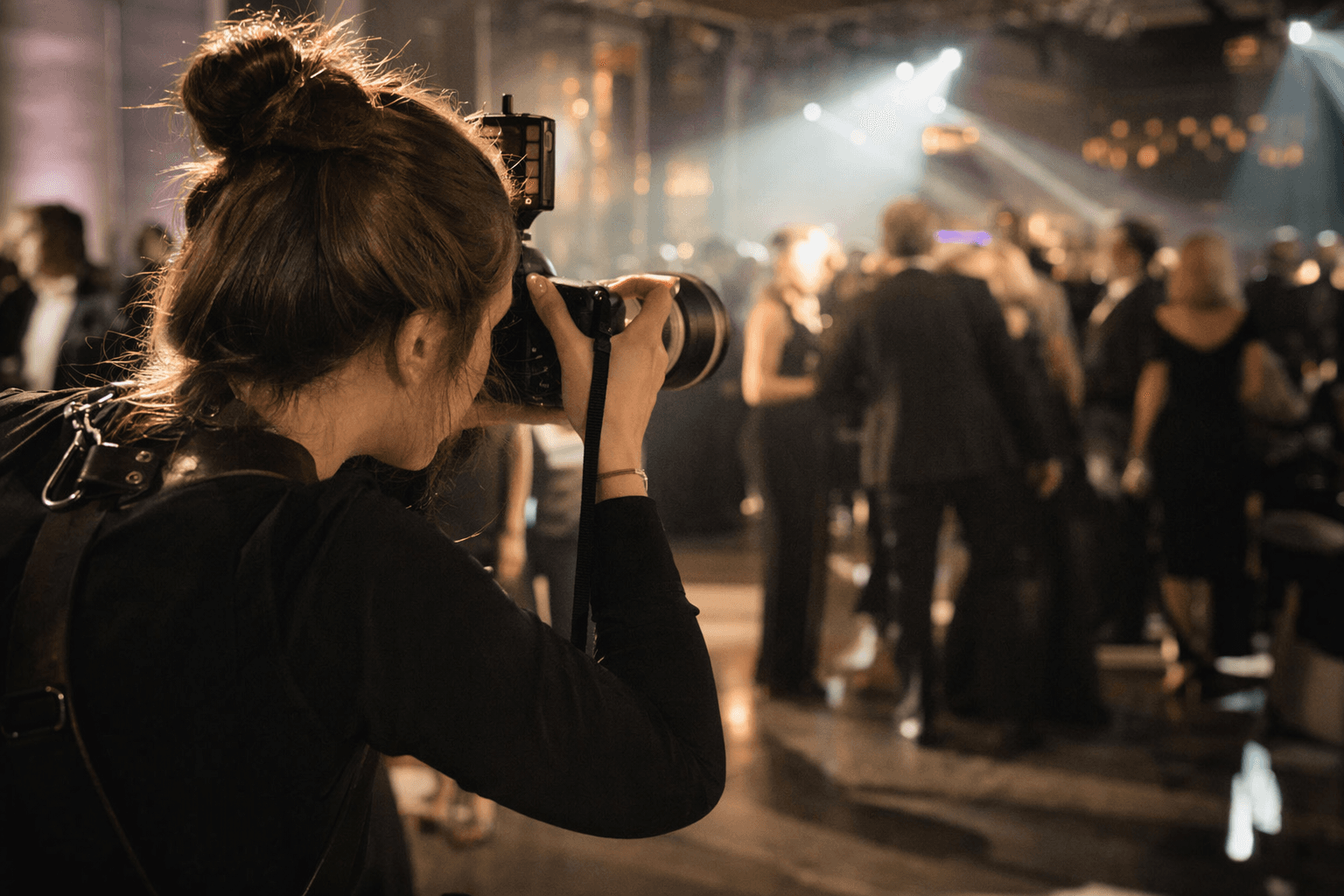
The first thing event photography teaches is that the finished gallery is a lie of omission. By the time the best frames are delivered, the photographer has already carried the bags, mapped the venue, watched the clock, and stayed alert through hours of motion and noise, like the three intense days at Stockholm Waterfront described in PetaPixel’s behind-the-scenes essay. That grind is the job: arriving early, moving constantly, and making clean pictures while every important gesture seems to happen once and then vanish.
That is why event work feels so different from slower genres. The pressure is not only about shooting fast, it is about never getting a second chance. The writer’s memory of the first event they shot makes that clear, because every frame depended on anticipating the moment before it happened and adjusting instantly when conditions changed. If you like event photography, you are really signing up for live problem-solving under deadline, not just for good light and flattering compositions.
Redundancy is not overkill, it is insurance
Event shooters talk about gear a lot, but this is not collector behavior. It is risk management. When a flash dies or a body malfunctions, the loss is not theoretical, because you may have missed the only usable expression, gesture, or reaction in the room. That is why the author built redundancy into the workflow with two cameras for important moments, both with speedlights, and dual card-slot bodies so every file is backed up at capture.
Canon’s own guidance says many mid-range and high-end EOS models have dual memory card slots, and the EOS R5 is presented with dual card slots as a professional feature for high-speed capture and backup workflows. Nikon USA pushes the same idea with the Z 7II, which highlights dual card slots as part of its workflow features alongside dual processors and fast shooting tools. The message is plain: in paid event work, dual slots are not a luxury spec, they are part of a sane plan for protecting irreplaceable frames.
The client is part of the workflow too
Once the gear is sorted, communication becomes the next layer of protection. The photographer in the essay makes the point that talking with clients, producers, technicians, and PR teams helps reveal the schedule and the flow before the action starts. That gives you a chance to stand where the moment will happen, instead of sprinting toward it after everyone else has already noticed.
Professional Photographers of America frames this in exactly the right way: strong communication is part of the photographer-client experience, not some soft extra tacked on after the camera work. Clear expectations matter before the shoot, during it, and after it. In practice, that means asking the useful questions early, confirming who is in charge of timing, and knowing which person will tip you off before the keynote, the award handoff, or the sponsor appearance.
Timing is a technical skill, not just a calendar problem
Wedding coverage makes the timing issue easy to see, and The Knot’s guidance is blunt about it. Formal photos have to be fit around the ceremony, cocktail hour, and reception, which means the schedule is not decoration, it is the frame that everything else has to fit inside. The Knot also says couples should confirm how many hours of coverage and how many photographers are included, because those details change what can realistically be covered without panic at the end of the night.
That same logic applies to corporate events, concerts, galas, and conferences. The best shooters are constantly doing the math in their heads: how long until the keynote starts, where the light will be worst, which room change needs to happen next, and whether the client expects arrivals, speeches, awards, or all three. The polished gallery usually reflects dozens of tiny timing decisions that never show up in the caption.
You have to read people, not just light
Event photography is often described as fast, but speed alone misses the human side. The real skill is reading facial cues, body language, and movement patterns well enough to know when a laugh is about to break, when a handshake is about to land, or when a speaker is about to turn toward the audience. That is the difference between reacting to a moment and being there for it.
The National Press Photographers Association, the leading organization advocating for visual journalists, helps explain why this matters. Its framing of visual journalism is about documenting real life events and helping audiences understand why specific moments matter. Event photography borrows that same instinct, even when the assignment is corporate or social rather than editorial. You are watching for significance, not just expression.
This is systems thinking with a camera strap on
Taken together, the lesson is bigger than one venue or one shoot. Event photography rewards people who can manage logistics, build in redundancy, communicate clearly, and stay calm when the schedule shifts or the room gets chaotic. The camera settings matter, but they are only one piece of a much larger machine that includes the client, the timeline, the venue staff, and your own ability to anticipate.
That is why the work can look glamorous from the outside and feel brutally practical from the inside. The photographer who finishes with the strongest gallery is often the one who treated the assignment like a system from the start, not a string of lucky moments. In event work, the real craft is making sure the moment survives contact with reality.
This article was produced by Prism’s automated news system from verified source data, official records, and press releases, then run through automated quality and moderation checks before publishing. The system is built and supervised by the people who set the standards it runs under. Read our full AI policy.
Did this article answer your question?