French court sets 2027 hearing in Nick Ut Napalm Girl defamation case
A French court has put Nick Ut’s defamation fight with Netflix and VII Foundation on the 2027 calendar, turning Napalm Girl’s authorship into a test of archival truth.
The fight over who pressed the shutter on Napalm Girl just moved from the archive into a French courtroom calendar. A court in Tarascon set Nick Ut’s defamation case against Netflix and the VII Foundation to be heard across February and March 2027, giving one of photojournalism’s most contested credit disputes a long runway and a very public stage.
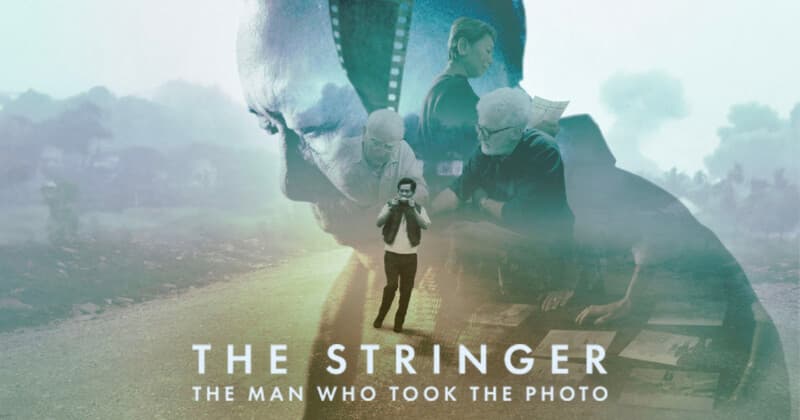
Ut’s lawsuit centers on The Stringer: The Man Who Took the Photo, the documentary that challenged the long-held attribution of The Terror of War. The film, which premiered at the Sundance Film Festival in January 2025 and was released on Netflix on November 28, 2025, argues that Vietnamese freelancer Nguyn Thành Ngh may have taken the picture. Its case was built with forensic visual analysis from Paris-based research group INDEX, which said its reconstruction using dozens of images, film footage, and satellite imagery made it highly unlikely that Ut took the photograph.

That challenge hit a nerve because The Terror of War is not just any Vietnam War frame. Shot on June 8, 1972, in Trng Bàng, it showed 9-year-old Phan Th Kim Phúc fleeing a napalm attack and became one of the defining images of the conflict. Nick Ut won both the Pulitzer Prize and World Press Photo of the Year for it, and the picture’s place in visual history has been secure for decades, even as the credit around it is now under attack.
The legal stake is as much about authorship and reputation as it is about a single negative. Ut’s lawyer, Martin Pradel, said the accusations caused particularly serious damage to Ut’s honor, professional integrity, and reputation. Ut is seeking damages under France’s defamation law, which allows a person in some circumstances to summon another directly to court. That procedural path is why the dispute landed in France at all, and why a documentary argument can become a civil case with real consequences.

The broader photo community has already been split by the film. World Press Photo said it suspended Ut’s attribution after The Stringer and its own review, calling it the first such move in the organization’s 70-year history. The Associated Press has kept Ut’s credit in place, saying its own investigative report found it was possible he took the photo but that the passage of time, the deaths of key witnesses, and technology limits prevent a definitive answer. AP also said new findings leave unanswered questions and keep open the possibility that Ut did not take it. World Press Photo says the photograph itself remains undisputed, even if the credit line is not, and that is the uneasy fault line now heading into 2027.
This article was produced by Prism’s automated news system from verified source data, official records, and press releases, then run through automated quality and moderation checks before publishing. The system is built and supervised by the people who set the standards it runs under. Read our full AI policy.
Did this article answer your question?