Game Boy Camera meets Mount Wilson telescope in Jupiter experiment
Chris Graue mounted a Game Boy Camera on Mount Wilson’s 60-inch telescope and pulled Jupiter’s stripes out of a 128-pixel toy camera.
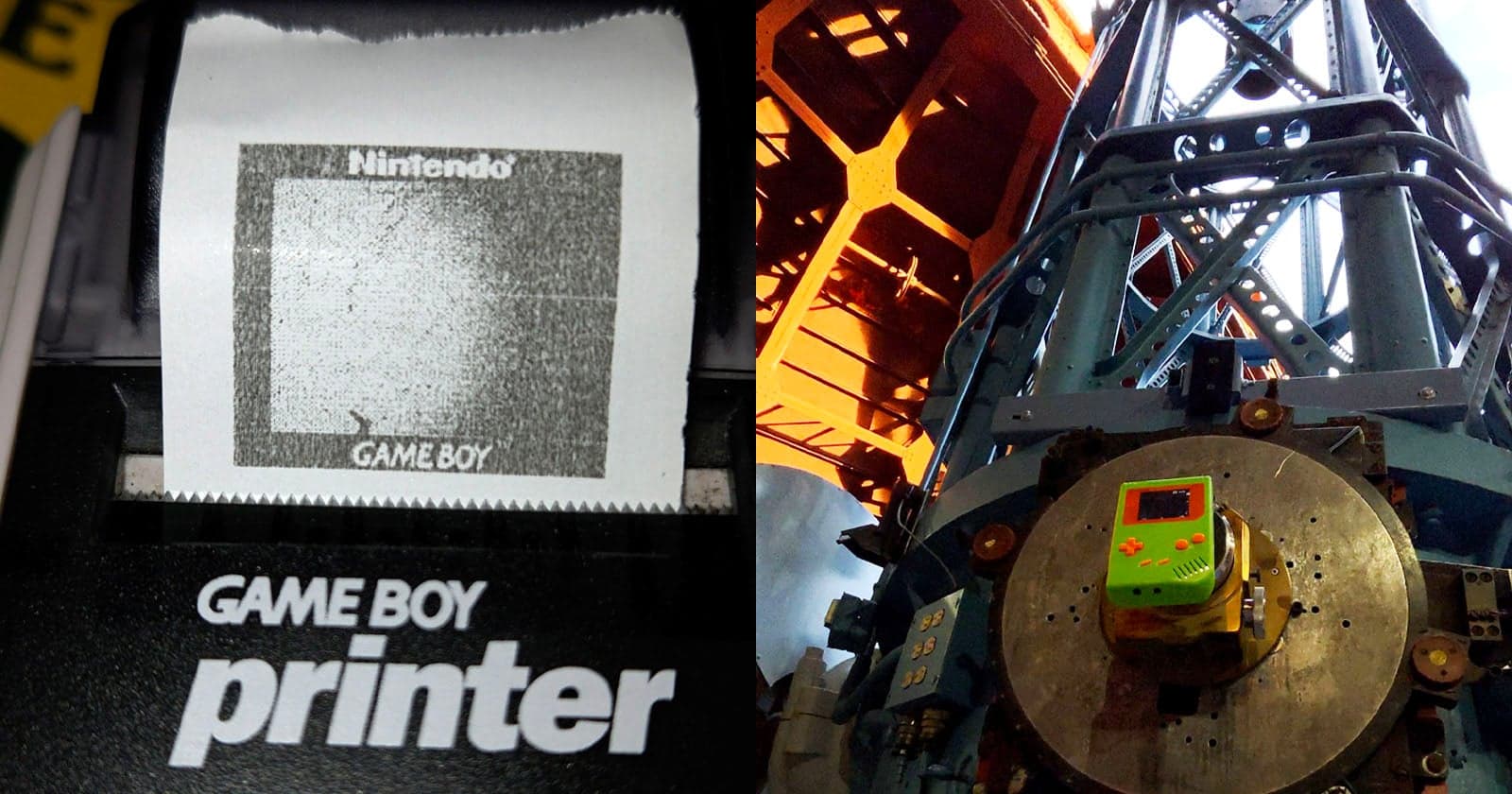
Chris Graue attached a Game Boy Camera to Mount Wilson Observatory’s 60-inch telescope in Los Angeles and turned it on Jupiter, where the planet’s stripes showed up in the tiny grayscale frame. He started with the Moon, then moved to Jupiter when the Moon was too close for the effect he wanted.
The setup was ridiculous in the best possible way. Mount Wilson’s 60-inch telescope, in its current Cassegrain configuration, has an equivalent focal length of about 24,384mm. Put the modified Game Boy Camera on the back of that optical chain and the rig was effectively working like a 730,000mm equivalent lens, the kind of number that sounds made up until you see the result.
That result mattered because the Game Boy Camera was never designed for serious astronomy. Nintendo released it in Japan on February 21, 1998, and in North America on June 1, 1998. The accessory used a 128x128-pixel CMOS sensor, stored 128x112 grayscale images, and rendered everything in four shades of gray. By every normal camera standard, it was a joke. By Graue’s standards, that was the point.
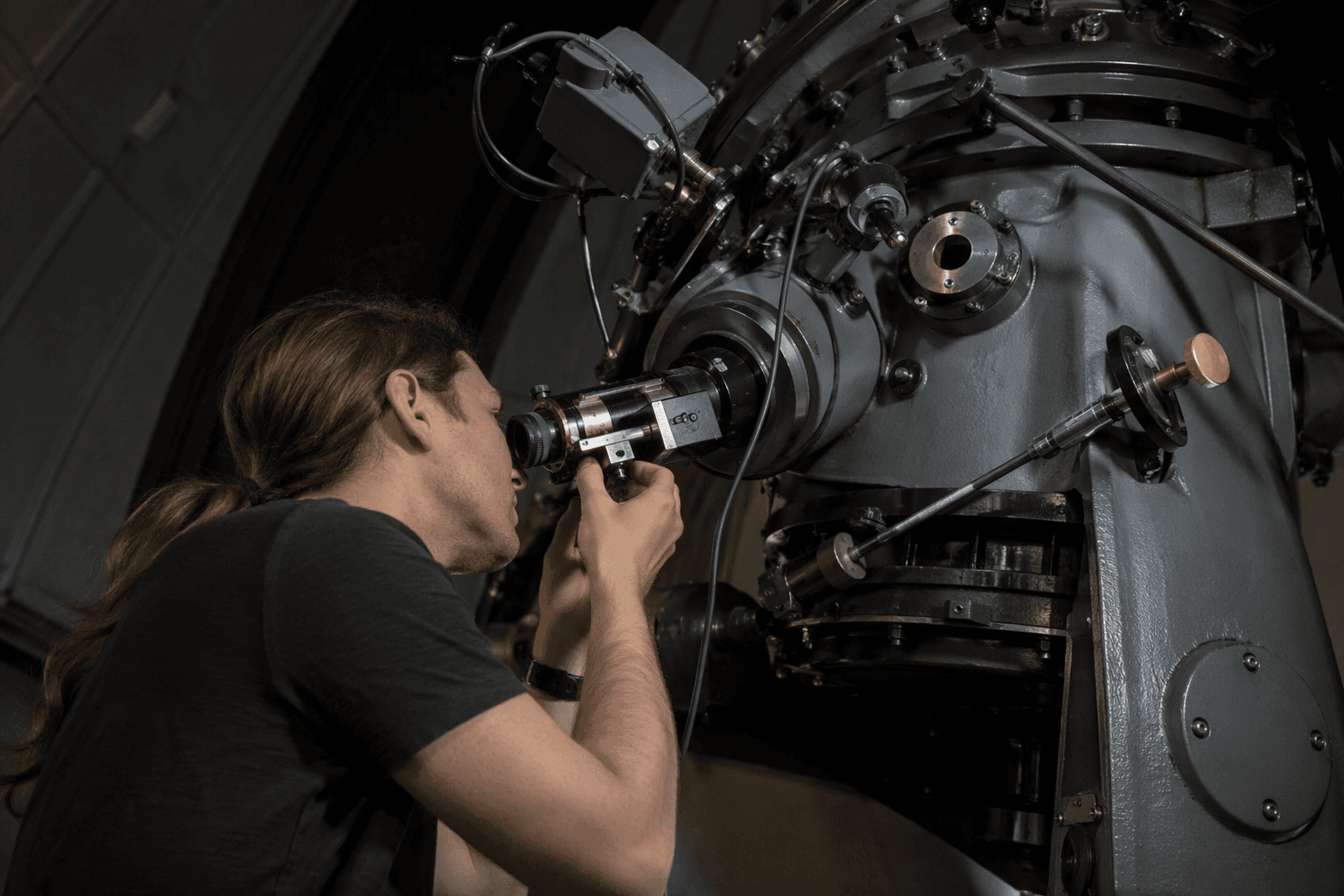
The hardware trick was as important as the scene. Graue used a 3D-printed case designed by UltiArjan to adapt the Game Boy Camera to C-mount lenses, then he and his friend Drew built an adapter that slid into the telescope’s 1.25-inch eyepiece before further adapters reached the telescope’s four-inch eyepiece. That stack of parts turned a toy camera into a matched piece of an observatory instrument, which is exactly why the image worked at all.
The choice of telescope added its own weight to the stunt. George Ellery Hale built the Mount Wilson 60-inch in 1908, when it was the largest telescope in the world, and Mount Wilson now says it is devoted to public viewing. The Hooker Telescope there was also used by Edwin Hubble in 1923, in work that helped show the universe extends beyond the Milky Way. Graue’s Jupiter frame landed inside that history, using a camera built for pocket-sized snapshots to make a picture through one of astronomy’s most famous instruments.
This article was produced by Prism’s automated news system from verified source data, official records, and press releases, then run through automated quality and moderation checks before publishing. The system is built and supervised by the people who set the standards it runs under. Read our full AI policy.
Did this article answer your question?