Jamie Ruggles captures coyote mid-jump after four years of patience
A coyote froze mid-jump over winter water near Lake Superior after Jamie Ruggles spent four years waiting for the right light and animal behavior to align.
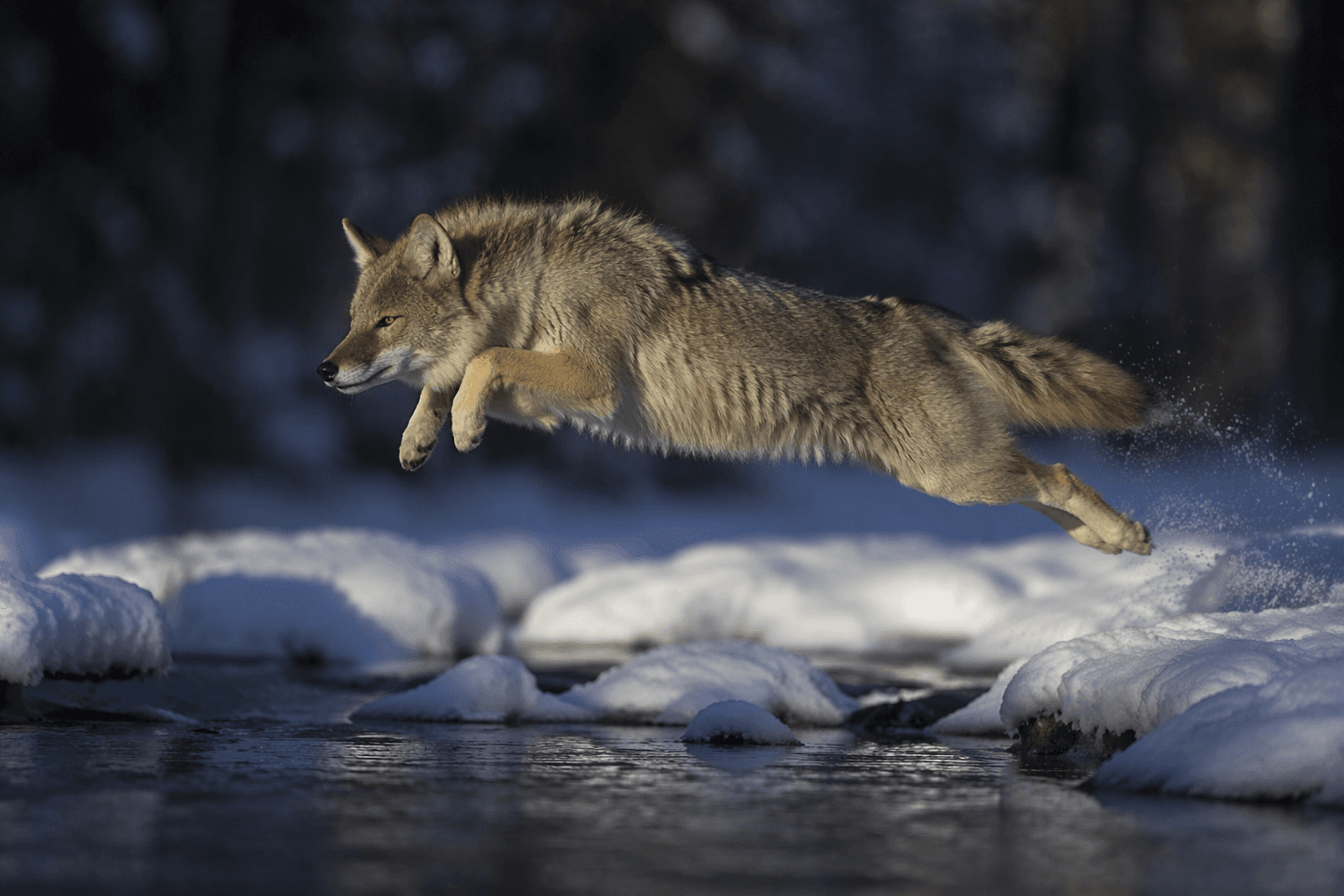
Jamie Ruggles finally got the frame he had been chasing for years: a coyote suspended mid-jump over a gap of open water in winter ice on the northern shore of Lake Superior in northwestern Ontario, with the Sleeping Giant on the horizon. The image looks like a split-second miracle, but the real story is repetition, not luck.
Ruggles, who is based in Thunder Bay, kept returning to the coyotes’ winter drinking spots, where open water draws animals in even when the shoreline is locked in ice. He had been envisioning the shot for some years before he made it, and he said a National Geographic editor had once given him the kind of advice wildlife shooters remember for a long time: “just spend the time in the field.” That is the whole blueprint here. He did not wait for a random pass. He learned the place, learned the pattern, and kept showing up until the coyote’s movement and the winter light finally lined up.
Local reporting said Ruggles captured the photo on a Monday evening in March 2026. It also noted that the image spread quickly online, where admirers praised the timing and composition, while others suspected it had been made with A.I. Ruggles laughed off the skepticism. For photographers who spend more time arguing about autofocus and crop than about terrain and behavior, that response matters. The camera recorded the moment, but the work happened long before the shutter fired.
The setting adds to the image’s pull. Ontario Parks says Sleeping Giant Provincial Park is a 24,400-hectare natural environment park established in 1944, about 35 km south on Highway 587. The park is known for views from the Top of the Giant Trail and Thunder Bay Lookout, and it sits in a landscape where wildlife sightings can be as much about patience as optics. That context also fits Thunder Bay’s uneasy relationship with coyotes. In January 2024, city by-law enforcement stepped up waterfront patrols after complaints that people were feeding coyotes there, and officials warned that feeding wildlife can habituate animals to humans and lead to fines of up to $5,000.
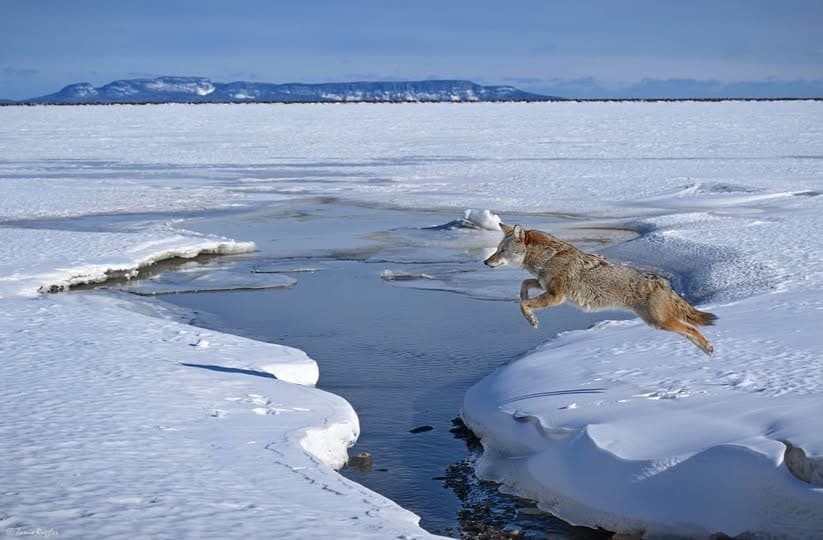
That is why Ruggles’s coyote image lands as more than a clean wildlife frame. The jump over the ice looks like a lucky instant, but it was really the product of four years of returning to the same shore, reading the same behavior, and waiting for the conditions to stop being merely possible and finally become right.
This article was produced by Prism’s automated news system from verified source data, official records, and press releases, then run through automated quality and moderation checks before publishing. The system is built and supervised by the people who set the standards it runs under. Read our full AI policy.
Did this article answer your question?