Leica pushes Xiaomi to keep smartphone photos more authentic
Leica is pushing Xiaomi to keep shadows, color, and contrast closer to reality, even as the 17T phones add two very different image pipelines.
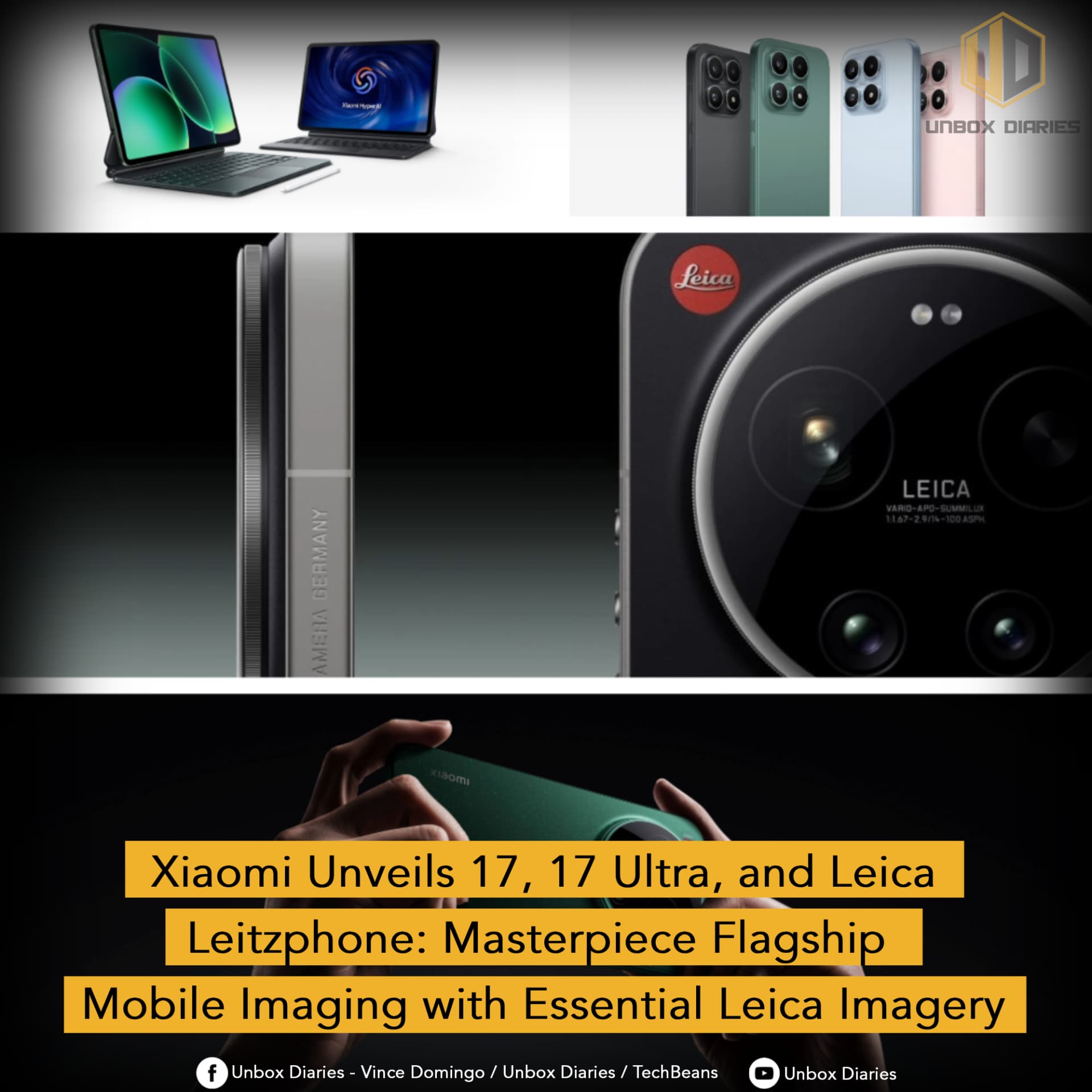
The fight over smartphone photos is no longer just about megapixels. At Xiaomi’s 17T launch, Leica drew a clear line on how far processing should go before an image starts to feel synthetic, arguing that a phone can be too bright, too smooth, and too aggressively colored to still look like photography.
Marius Eschweiler, Leica’s vice president of mobile business, said there was “a very tough conversation” with Xiaomi’s engineering team because the phone world often treats lifted shadows and heavily massaged color as the standard for a good frame. Leica pushed back, saying that from a photographer’s point of view, it can be better to leave the shadows alone if that is how the scene actually looked.
That philosophy shows up directly in the new software. Pablo Acevedo Noda, Leica’s head of development and engineering for mobile, said Leica Authentic was designed for photographers coming from the camera world, and that computational imaging had become too dominant in the image pipeline. Xiaomi and Leica built two processing pipelines into the phones’ ISP, one for Authentic and one for Vibrant. That is the practical split readers care about: one profile leans toward a truer, less polished rendering, while the other keeps the more dramatic, social-ready look phones have trained people to expect.
The hardware gives Xiaomi more room to sell that argument. The base 17T gets a 5x Leica co-branded telephoto camera for the first time in the T series. Xiaomi said the 17T uses a 50MP main camera with a 1/1.55-type sensor and an f/1.7 lens, while the 17T Pro moves up to a larger 1/1.31-type 50MP sensor with an f/1.67 lens. Both phones include a 50MP telephoto camera with a 115mm-equivalent focal length and a 12MP ultrawide camera. The 17T Pro is powered by MediaTek’s Dimensity 9500, and both phones support Leica Live Moment, which can apply Authentic or Vibrant even to live-photo-style captures.
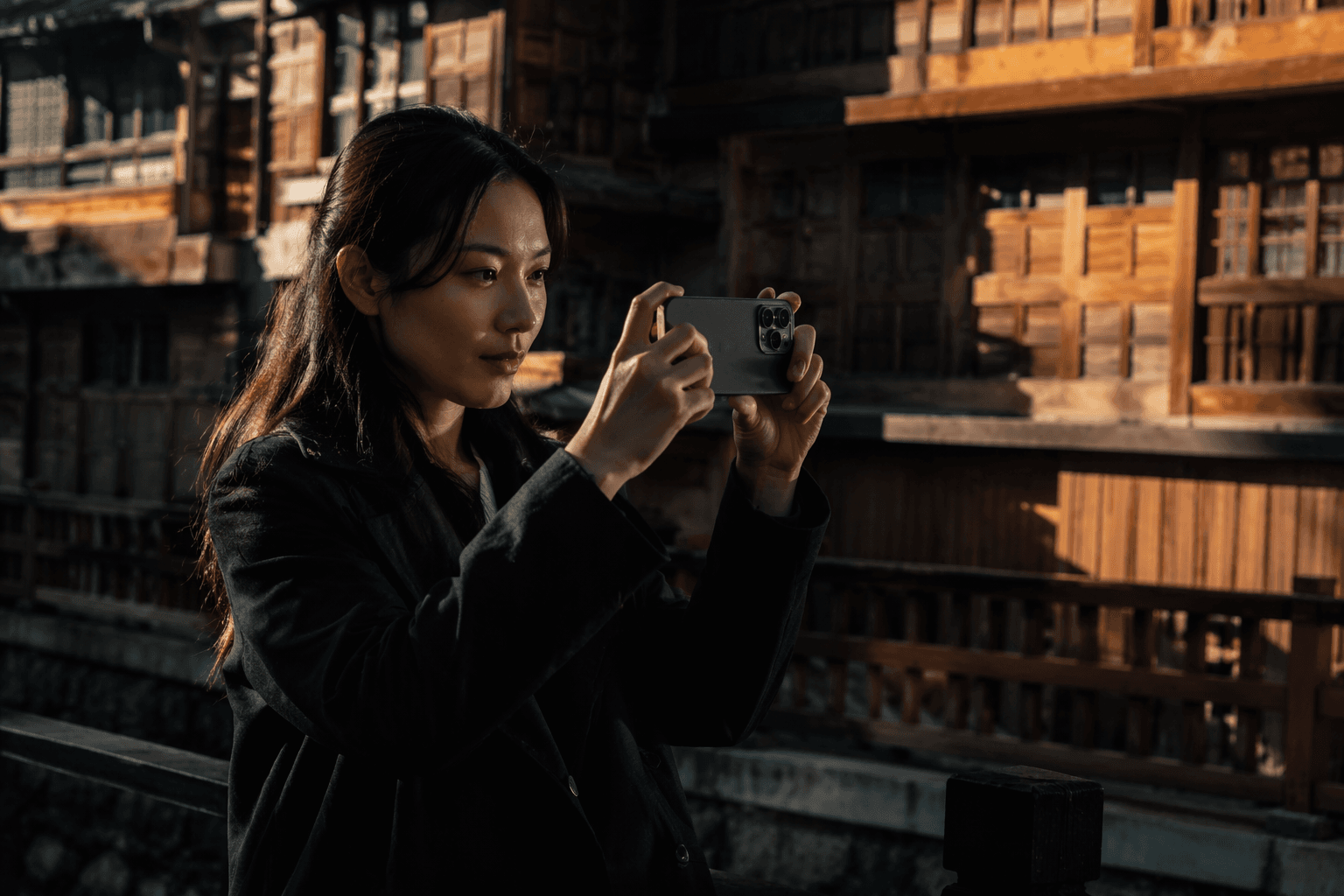
The bigger story is that this is not a one-off branding exercise. Xiaomi and Leica announced their strategic mobile-imaging partnership in 2022, and Leica later described the Xiaomi 14 Series in Barcelona as the third generation of jointly developed products for the international market. Counterpoint Research has said the collaboration reaches into lens co-design, sensor selection, ISP tuning, and final-image testing. Leica has also launched the Leica Leitzphone powered by Xiaomi, which it described as its first international smartphone.
For anyone comparing camera phones or camera apps, that is the real takeaway. Sensor size and zoom reach still matter, but Xiaomi and Leica are showing that the philosophy baked into the processing now shapes the final file just as much as the glass in front of it.
This article was produced by Prism’s automated news system from verified source data, official records, and press releases, then run through automated quality and moderation checks before publishing. The system is built and supervised by the people who set the standards it runs under. Read our full AI policy.
Know something we missed? Have a correction or additional information?
Submit a Tip