NASA releases stunning Artemis II Earth photos for Earth Day 2026
Artemis II’s Earth photos pair a razor-sharp terminator shot with auroras, zodiacal light and Venus, turning Orion into a moving platform for space photography.
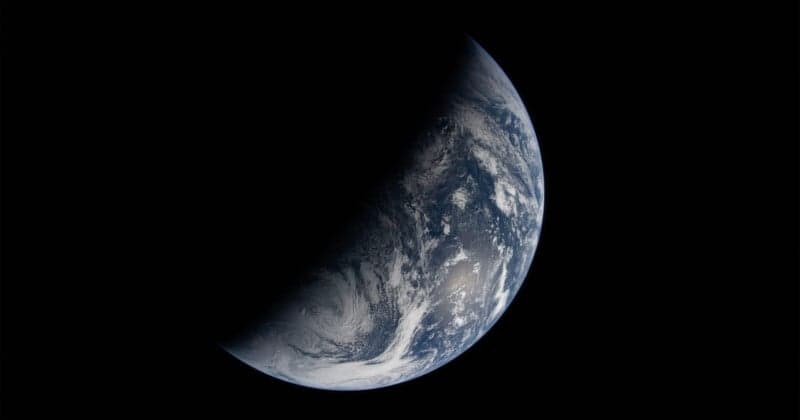
NASA timed its Earth Day drop perfectly: the Artemis II crew’s new photos are beautiful enough to stop any photographer cold, but they also show exactly why space imaging still matters. The strongest frame is the one with Earth split by the terminator, that hard line between day and night, captured by the astronauts on April 2, 2026 as Orion headed toward the Moon. It has the kind of contrast landscape shooters chase for years, except this time the subject is the whole planet.
The rest of the set is just as revealing. NASA says the April 2 view from an Orion window, taken after the translunar injection burn, caught two auroras, zodiacal light and Venus in the same frame. That combination gives the images a layered look hobbyists usually only get by accident: bright planetary glow, faint atmospheric color and deep black space all working at once. On top of that, the crew documented impact craters, ancient lava flows, surface fractures, earthset, earthrise, eclipse views of the Sun’s corona and six meteoroid impact flashes on the lunar surface. This is not just pretty astronaut photography. It is a catalog of what a spacecraft can see when the camera is pointed with intent.
The mission context makes the pictures hit harder. Artemis II launched on April 1, 2026, spent nearly 10 days around the Moon and splashed down in the Pacific Ocean off the coast of San Diego on April 10. At its farthest point, the crew reached 252,756 miles from Earth, the farthest humans have ever traveled in space, surpassing Apollo 13’s record. NASA says it was the first crewed flight of Orion and the first crewed lunar flyby in more than 50 years, which gives these images the weight of a test flight and the drama of a return to deep space.
NASA is also making a clear visual argument: the Artemis II photographs belong in the same lineage as Earthrise, the Apollo 8 image made famous by Bill Anders and tied to the first Earth Day. That legacy is why the release lands so well on April 22. It is not just archive material; it is the kind of picture that changes how people think about the planet.
For photographers, the lesson is blunt. The best space photography does three jobs at once: it delivers technical precision, it uses access no ground camera can match, and it tells a story larger than the frame. Reid Wiseman, Victor Glover, Christina Koch and Jeremy Hansen were not just making records for NASA. They were showing how a spacecraft window, a disciplined shooting plan and the right light can turn a mission milestone into an image people remember.
This article was produced by Prism’s automated news system from verified source data, official records, and press releases, then run through automated quality and moderation checks before publishing. The system is built and supervised by the people who set the standards it runs under. Read our full AI policy.
Did this article answer your question?