NO FAKES Act returns to protect visual likenesses from AI replicas
The revived NO FAKES Act would give creators control over AI doubles of their voice and likeness, with Getty Images backing the push.
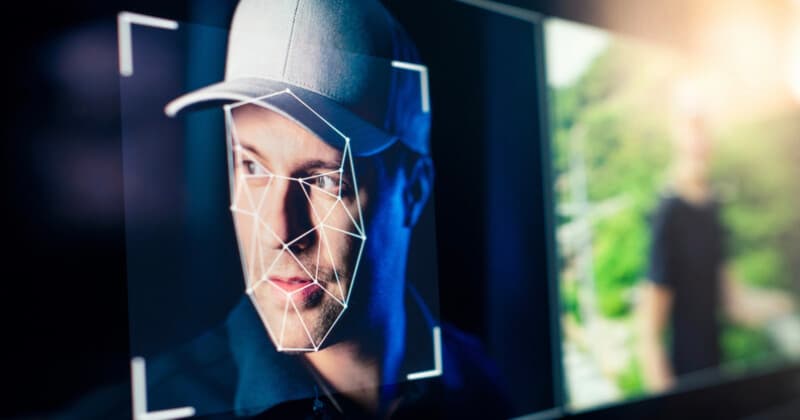
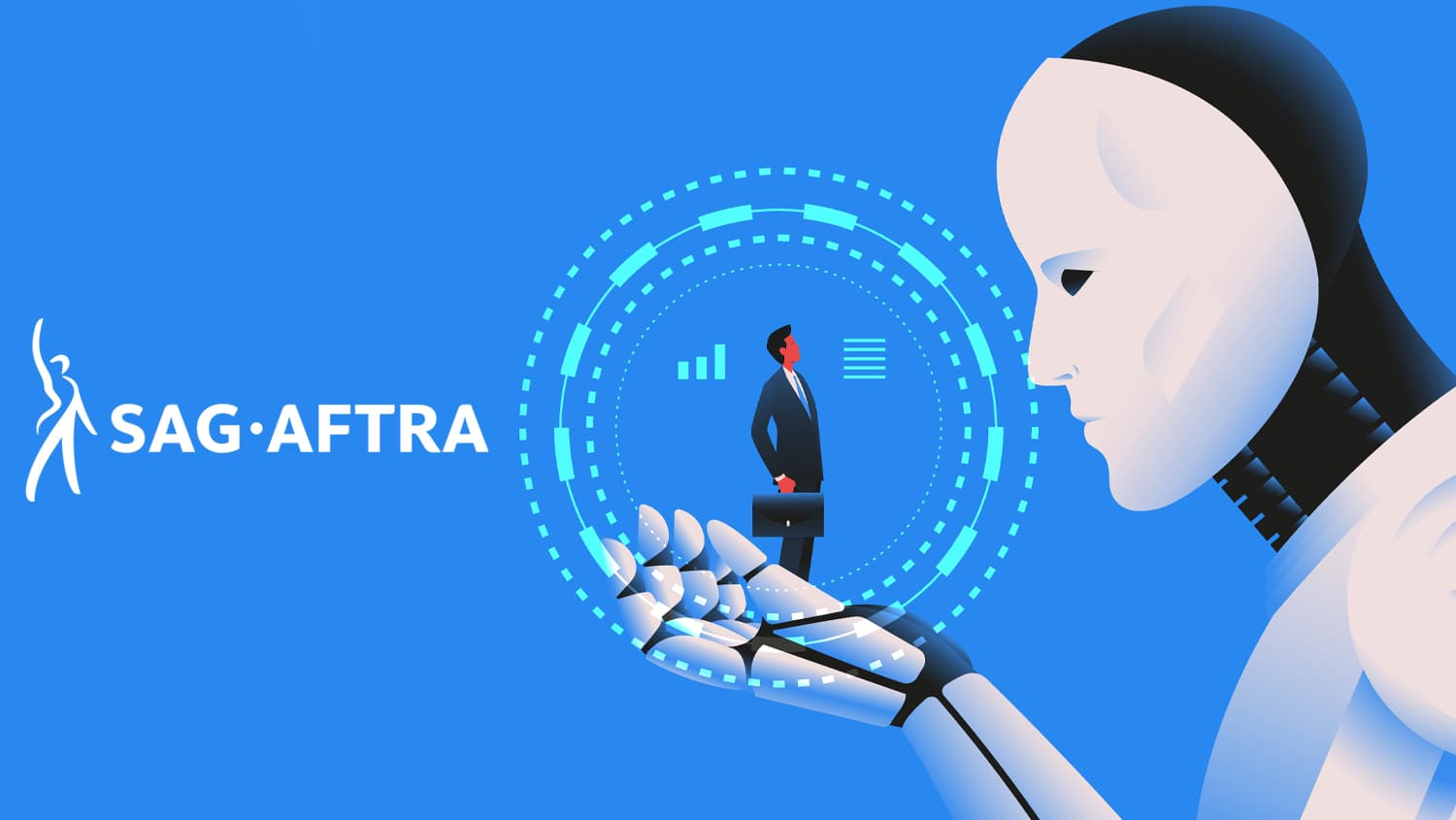
Photographers are no longer just protecting files and copyrights. They are protecting the face, voice, and visual identity that can now be cloned into a convincing AI replica from a single shoot, a clip of audio, or a portrait that was never meant to be reused that way. The revived NO FAKES Act, introduced on May 20 by Marsha Blackburn, Chris Coons, Thom Tillis, Amy Klobuchar, Maria Salazar, and Madeleine Dean, is Congress’s latest effort to give people real control over those digital doubles before they get treated like another disposable asset.
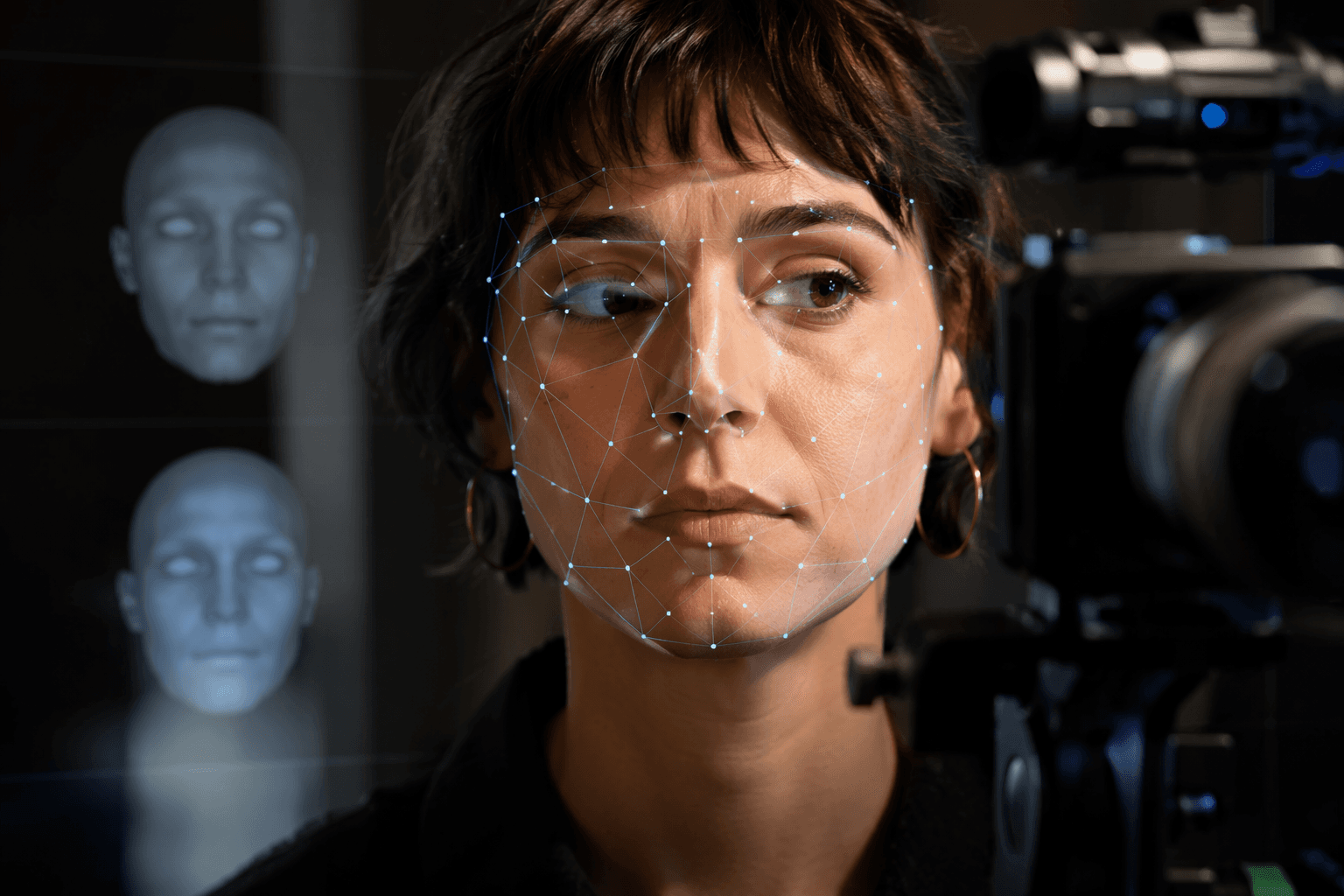
The bill matters because it draws a line between ordinary editing and impersonation. Senate bill text defined a digital replica as a newly created, computer-generated, highly realistic electronic representation of a person’s image, voice, or visual likeness. It also excluded ordinary remixes, mastering, and digital remastering, which is the kind of detail working photographers and retouchers need to watch closely. The proposal is aimed at unauthorized replicas, not every AI-assisted workflow, and that distinction is the difference between a legitimate tool and a synthetic stand-in that can be passed off as the real thing.
This is not the bill’s first lap. The Senate Judiciary Subcommittee on Intellectual Property held a hearing on April 30, 2024, with testimony from FKA twigs, Warner Music Group chief executive Robert Kyncl, SAG-AFTRA National Executive Director Duncan Crabtree-Ireland, and Motion Picture Association representative Ben Sheffner. The first Senate version, S. 4875, landed in the 118th Congress in 2024. Lawmakers reintroduced the measure again in April 2025 before bringing back the revised 2026 version, which shows the push has been refined over time rather than rushed in from nowhere.
Getty Images backing the bill is a major signal for photographers because Getty has spent years staking its business on licensing, provenance, and authenticity. The company urged the Senate to pass the measure, and Spotify also backed the revised version. Earlier support already stretched across OpenAI, Google, YouTube, Warner Music Group, Disney, Amazon, Adobe, IBM, and the Recording Industry Association of America. That coalition suggests the bill is being pitched not just as a creator-rights fix, but as a rules-of-the-road framework for platforms and agencies that profit when image use is clear and enforceable.
Even so, photographers remain exposed anywhere a use falls outside the narrow digital-replica definition or slips into the gray zone between authorized manipulation and outright impersonation. The proposed posthumous right would run for no more than 70 years after death, but the larger point is immediate: in a market where likeness can be synthesized faster than old rules can catch it, the fight is now about who owns the right to a face before someone else turns it into a product.
This article was produced by Prism’s automated news system from verified source data, official records, and press releases, then run through automated quality and moderation checks before publishing. The system is built and supervised by the people who set the standards it runs under. Read our full AI policy.
Did this article answer your question?