Obsession uses shallow focus and underexposure to build dread
Shallow focus and underexposure turn a tiny-budget horror film into a master class in unease. The takeaway for photographers is simple: lock the frame, dim the world, and let the edges haunt the viewer.
What Obsession gets right about visual dread
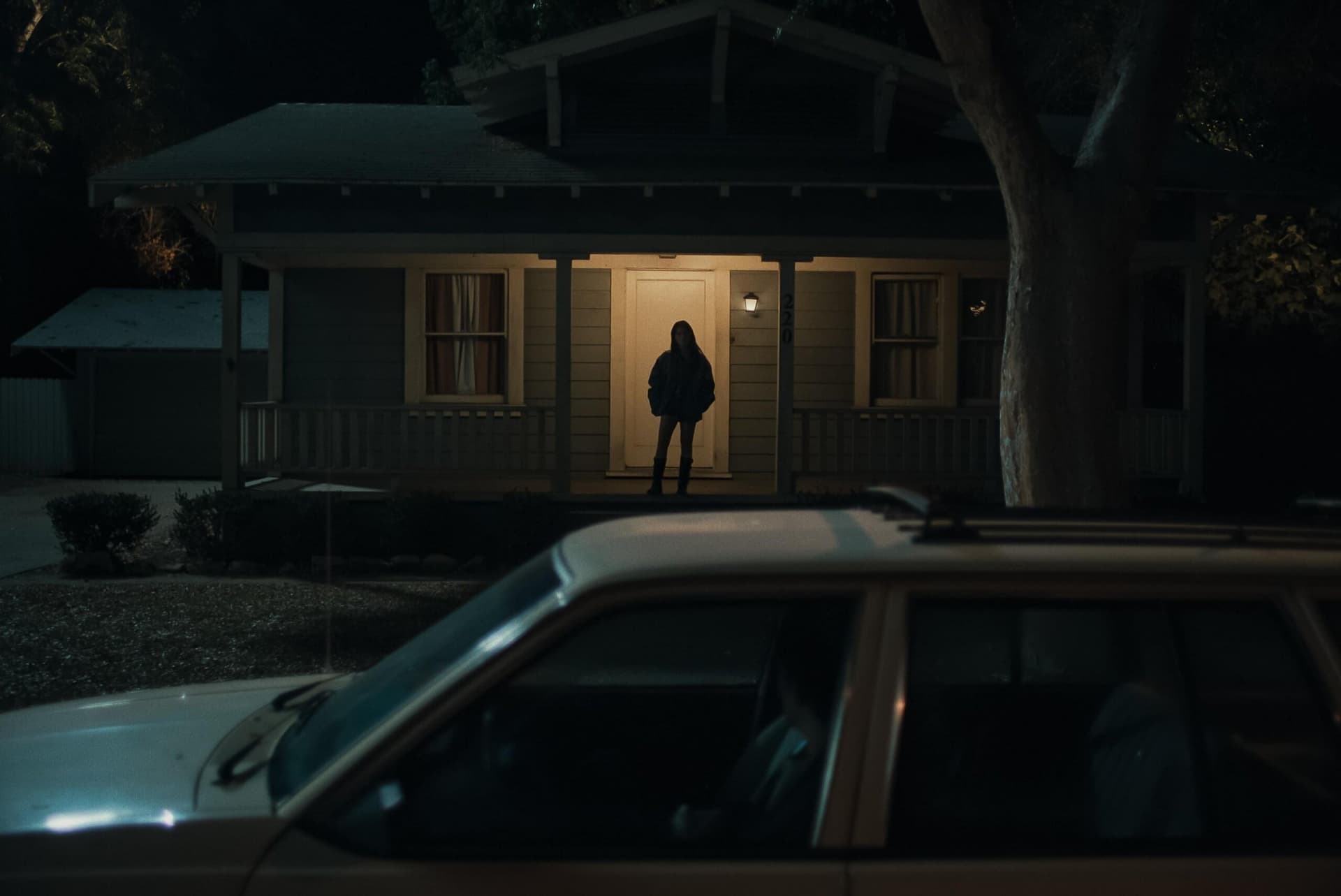
The smartest thing about *Obsession* is that it does not chase horror with chaos. It builds it with restraint: locked-off tripod frames, wide-open apertures, and a look that stays just soft enough at the edges to make you uneasy. Shot on an Arri Alexa 35 with Panavision Ultra Speed lenses, the film uses shallow depth of field not as a style flourish, but as a pressure point. You are always aware that something is happening just outside the slice of focus, and that uncertainty does a lot of the work.
That is the part still photographers can steal immediately. A portrait does not need more drama if the frame already feels sealed shut. A street frame does not need a frantic angle if the subject feels isolated by focus falloff. *Obsession* is a reminder that tension often comes from subtraction: less sharpness, less fill, less visual information, more room for the viewer’s mind to wander.
Locked camera, active frame
The film’s compositions lean hard on the tripod. That choice matters because a stable frame makes every small movement feel loaded. When the camera does not move, the subject’s stillness or discomfort becomes the action, and the viewer starts scanning for the smallest shift in expression, posture, or background behavior.
For photographers, that translates cleanly to portraits and personal projects. Set the camera down, choose a clean frame, and let distance do the unsettling work. Keep your subject centered longer than feels comfortable, or give them too little breathing room at the edge of the frame. A locked composition can feel calm on paper and oppressive in practice, especially when the subject is trapped in a rigid visual box.
Wide open, narrow world
The lensing is doing a lot of heavy lifting here. Panavision Ultra Speed lenses wide open create the shallow focus and bokeh that make the image feel beautiful and slightly wrong at the same time. The viewer gets a soft, dreamy foreground and background, but that dreaminess is unstable because the eye is never allowed to settle across the whole scene.
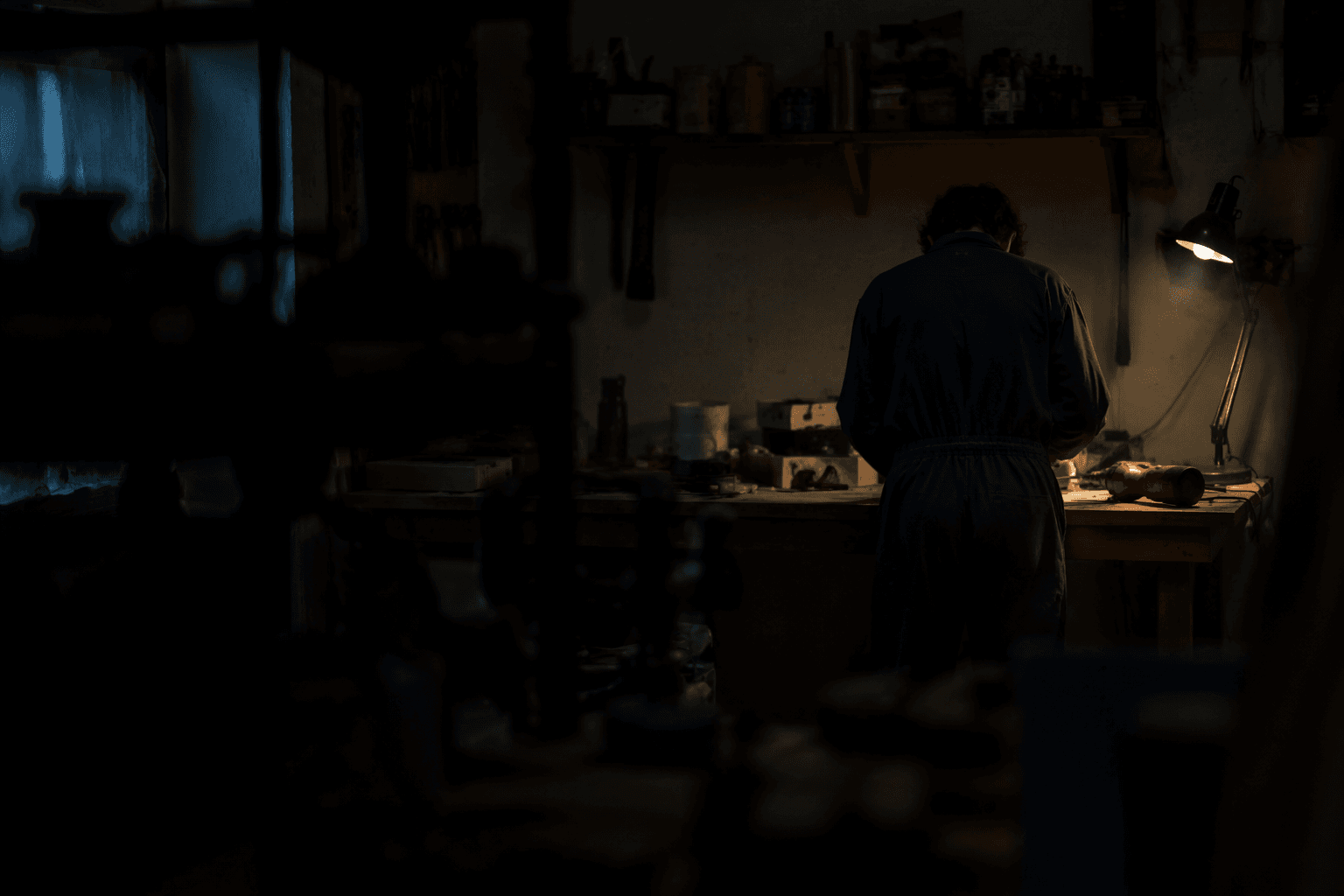
That is a useful tool for any photographer who wants unease without gimmicks. Shoot portraits at a wider aperture and let the ears, shoulders, or background drift out of focus just enough to feel incomplete. Push the subject separation so hard that the environment becomes a suggestion rather than a report. The trick is not simply blur for blur’s sake. It is controlling what the viewer is forced to imagine.
Underexposure as a mood decision
The film also leans into underexposure in places, and that is where the dread gets thicker. The image feels murky, but not so dark that it becomes unreadable. That balance matters: if everything disappears into black, tension collapses into frustration. If the exposure is too clean, the world loses its menace.
The real lesson is that exposure can be emotional, not just technical. A slightly held-back frame can make skin look colder, shadows feel heavier, and empty corners seem suspicious. In portraits, that might mean letting the background fall off a stop more than usual. In a documentary or street frame, it might mean preserving the shape of a face while allowing the surrounding scene to sink into ambiguity. Underexposure works here because it narrows the viewer’s certainty.
Why the bright scenes hit harder
What gives the look real shape is the contrast between those murky stretches and the brighter scenes. The film uses that shift like a pressure valve, creating a rhythm of tension and release instead of flattening everything into one grim register. When the image opens up, it does not just feel clearer. It feels dangerous in a different way, because the viewer has been trained to expect the dark.
That is a smart lesson for anyone building a photo series. If every frame is moody, none of it lands as sharply. Use a few brighter images to reset the visual baseline, then return to the darker material so it hits with more force. The contrast between restraint and relief is what keeps a sequence from becoming one-note.

Small budget, serious visual discipline
Part of why the film’s visual language lands is that it was made lean. Much of it was filmed in the director’s apartment, which makes the polish feel less like money and more like intention. That matters because it strips away the excuse that strong images require big sets or expensive gear. The real engine is consistency: the same optical choices, the same framing discipline, the same control over light.
That is good news for photographers working in small spaces. A bedroom, hallway, or apartment can become plenty cinematic if you commit to the look. Use the same lens across a sequence, keep the camera height consistent, and shape the light so it falls off instead of filling everything evenly. The space matters less than the logic behind the frame.
Why the film has become such a visible breakout
The movie’s reach makes the visual strategy worth paying attention to. *Obsession* is a 2026 supernatural horror film written and directed by Curry Barker, released by Blumhouse and Focus Features, with a release date listed as May 15, 2026. It runs 108 minutes, opened with $17.2 million domestically, and by Friday, May 29, 2026, had grossed $86,537,650 domestically. Focus Features acquired it in a deal reportedly worth $14 million, and the film has already been framed in trade coverage as a breakout for a first-time director. IndyWire even called Barker the director of 2026’s first great horror movie, while *Variety* singled out the lead performance by Inde Navarrette.
That level of attention is a reminder that visual choices are not decorative when the story is built on mood. They are the story. Focus’s own coverage around the film, including cinematographer and filmmaker Q&As, points to the same thing: this is a movie where the image language is part of the selling point, not an afterthought.
If you want to borrow anything from *Obsession*, start with the simplest pieces. Lock the camera. Open the lens. Let shadows stay a little murky. Leave the frame just incomplete enough that the viewer starts doing the frightening work for you.
This article was produced by Prism’s automated news system from verified source data, official records, and press releases, then run through automated quality and moderation checks before publishing. The system is built and supervised by the people who set the standards it runs under. Read our full AI policy.
Did this article answer your question?