Panasonic L10 review, a fixed-lens Four Thirds compact with a twist
The L10 looks like a compact, but its crop behavior, price, and feature set split photographers between charm and compromise.
Why the L10 is dividing photographers
The Panasonic L10 is not being judged like a normal compact, and that is exactly why it is already provoking arguments. On paper it looks like the kind of camera many of us have been asking for for years: fixed lens, Four Thirds sensor, real controls, a fast zoom, and a body small enough to carry without planning your day around it. But the moment you dig into how it actually works, you hit the fault line. Some photographers see a smart revival of the enthusiast compact. Others see an expensive camera that does not quite behave like a full-sensor tool and does not quite justify its price if you are thinking in mirrorless terms.
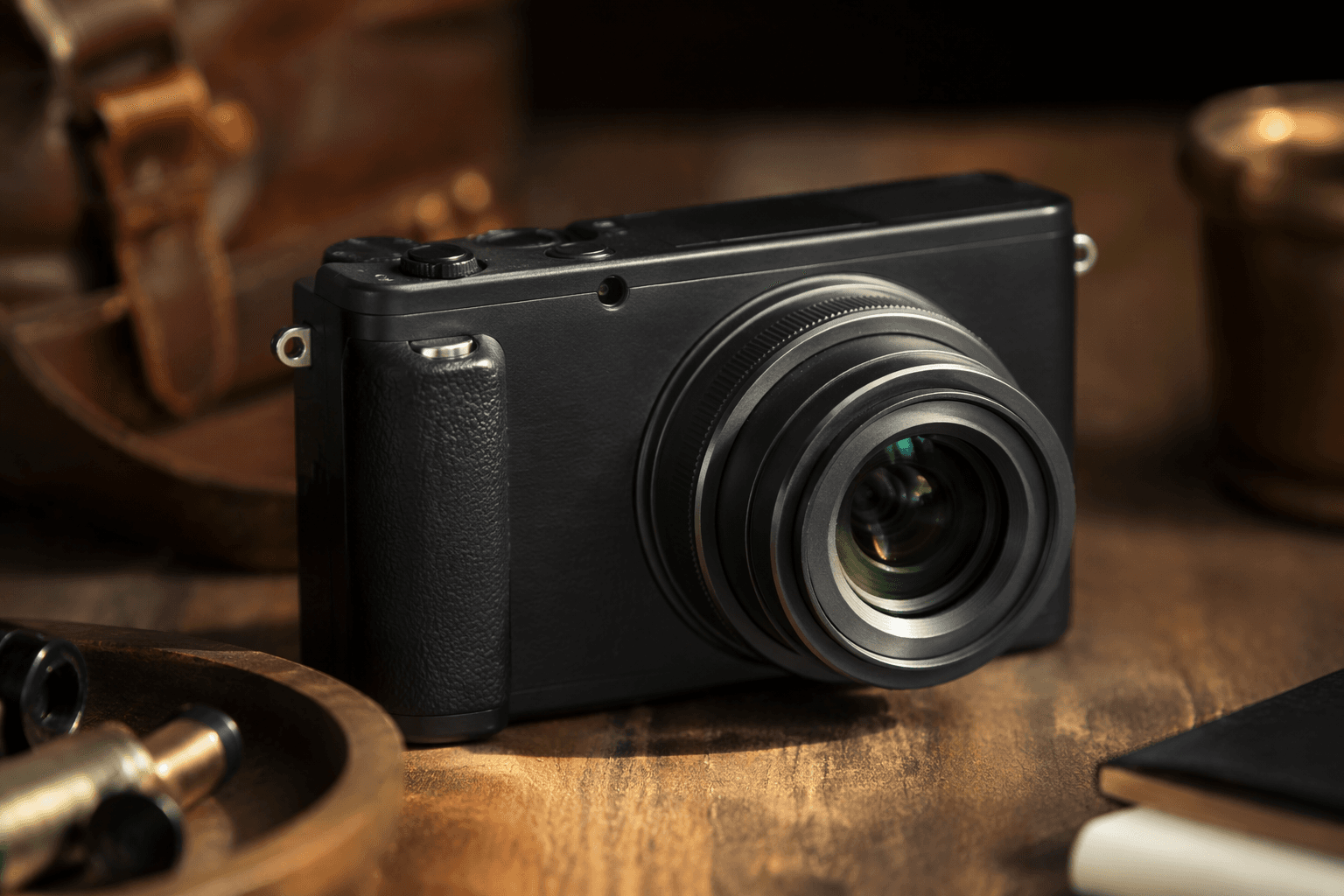
That tension is the whole story. If you want compactness, character, and a camera that feels intentional every time you lift it, the L10 makes a very strong case. If you want the cleanest possible value equation, full sensor usage, and the kind of flexibility that makes a camera system feel complete, the L10 starts to look more like a beautifully made compromise.
What Panasonic actually built
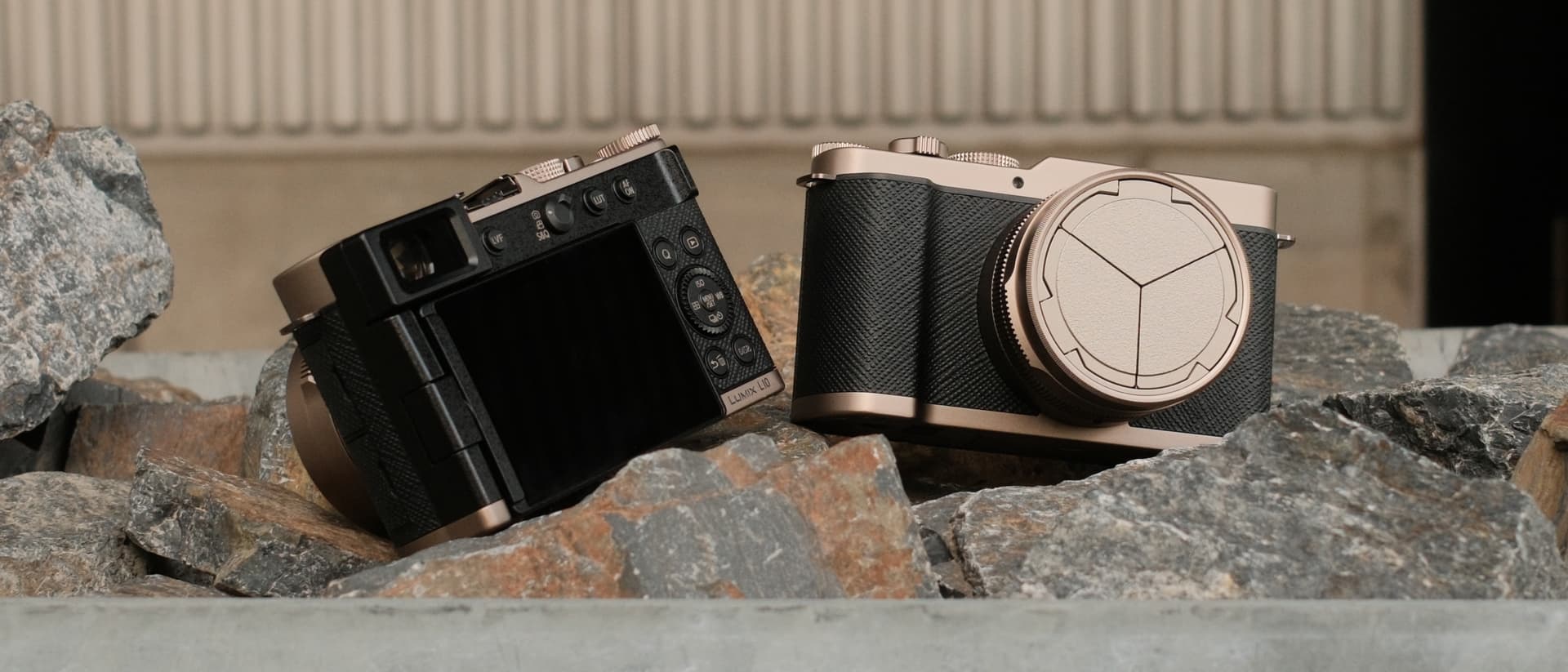
Panasonic officially announced the L10 on May 12, 2026, and framed it as part of Lumix’s 25th anniversary celebrations. The camera is a fixed-lens model with a 24-75mm equivalent F1.7-2.8 motorized zoom and optical stabilization, which immediately places it in the LX100 and Leica D-Lux lineage rather than the tiny-sensor compact category most buyers are used to now.
This is not a stripped-down snapshot machine. The spec sheet reads like Panasonic wanted to make sure no one confused the L10 with a toy: a 26.5MP BSI CMOS Four Thirds sensor, up to 20.4MP output, a 2.36-million-dot OLED viewfinder, a 1.84-million-dot fully articulating display, phase-detect autofocus with six subject-recognition modes, a metal body, and 5.2K open-gate recording at up to 30p. That is a serious enthusiast feature list packed into a fixed-lens shell.
The price tells the same story. The standard L10 in black or silver lands at $1,499. Panasonic also offers a Titanium Gold special edition that costs $100 more, with a themed menu interface, subtle rear branding, and limited-channel availability. In other words, this is positioned less like a casual carry camera and more like a premium object for people who want to feel the difference when they use it.
The twist that will make or break the camera for you
The controversial part is how the L10 handles its sensor. DPReview notes that the camera does not use the entire sensor all at once. Instead, it crops from a larger Four Thirds area depending on aspect ratio, preserving the diagonal field of view while using up to about 81% of the sensor.
That is the sort of detail that sounds minor until you start comparing notes with other photographers. For some shooters, this is clever engineering, because it lets Panasonic preserve the camera’s compact proportions while shaping the image circle around different aspect ratios. For others, it is exactly the kind of thing that makes the camera feel less like a true enthusiast bargain and more like a beautifully polished limitation. If you care about making the most of every millimeter of sensor area, the crop behavior will bug you. If you care more about the shooting experience and the final image than about abstract efficiency, you may never think about it again.
That is why the L10 is already splitting opinion. It promises a bigger-sensor compact experience, but it does so with a design choice that makes some photographers lean in and others back away.
Why the LX100 legacy matters here
The L10 makes more sense when you look at Panasonic’s old LX formula. Panasonic’s own LX development story describes the original concept as “an easy-to-carry camera with a large image sensor and large-diameter, high-performance lens.” That idea was never about making the smallest possible camera. It was about building a camera that felt deliberate, with enough optical ambition to justify the larger sensor and enough portability to carry it everywhere.
The original LX100 was announced on September 15, 2014, and the LX100 II followed in 2018. When the LX100 II was later listed as discontinued in Japan in October 2022, Panasonic left a gap that a lot of enthusiasts noticed immediately. That is why the L10 has generated so much reaction. It is not just another product launch. It is Panasonic stepping back into a category many photographers thought the company had quietly abandoned.
That context also explains the emotional language around the camera. PetaPixel described having been “straight-up demanding” a compact Micro Four Thirds camera from Panasonic for years, and that mood captures the appetite for this kind of machine. The L10 feels like a return to a formula that once made a lot of sense: bigger sensor than a 1-inch compact, faster lens than most small zooms, and a shooting experience that rewards actual camera handling.
Who the L10 is for, and who will bounce off it
The L10 makes the most sense if you want a compact camera with real intent behind it. It is a good fit if you care about a built-in zoom, a fast aperture range, a metal body, a proper viewfinder, and an articulating screen that supports both deliberate stills work and video-friendly angles. The 508g weight with battery and SD card keeps it portable without making it feel disposable, and the 5.2K open-gate mode gives it video credibility that old-school enthusiast compacts never had.
It is less compelling if your priority is system value or maximum sensor use. At $1,499, the L10 is competing not just with premium fixed-lens compacts, but also with interchangeable-lens mirrorless bodies that open up a much wider path over time. That is the tradeoff Panasonic is asking buyers to accept: pay for a highly focused camera that is easy to carry and enjoyable to use, or buy into a more versatile system with a different kind of freedom.
- Buy it if you miss the compact camera era but still want modern autofocus and video.
- Buy it if you want a fast fixed zoom and do not want to juggle lenses.
- Pass if you need the broadest possible system flexibility for the money.
- Pass if the crop behavior feels like wasted sensor potential rather than a clever design choice.
The bottom line
The L10 is controversial because it understands exactly what kind of camera it wants to be, and that confidence will delight one camp while irritating another. It is compact without being cute, ambitious without being universal, and expensive enough that every design decision gets scrutinized. That is why the debate around it is so sharp: Panasonic has brought back the enthusiast compact as a serious object, and the result is a camera that feels like a comeback for some shooters and a carefully polished compromise for everyone else.
This article was produced by Prism’s automated news system from verified source data, official records, and press releases, then run through automated quality and moderation checks before publishing. The system is built and supervised by the people who set the standards it runs under. Read our full AI policy.
Know something we missed? Have a correction or additional information?
Submit a Tip