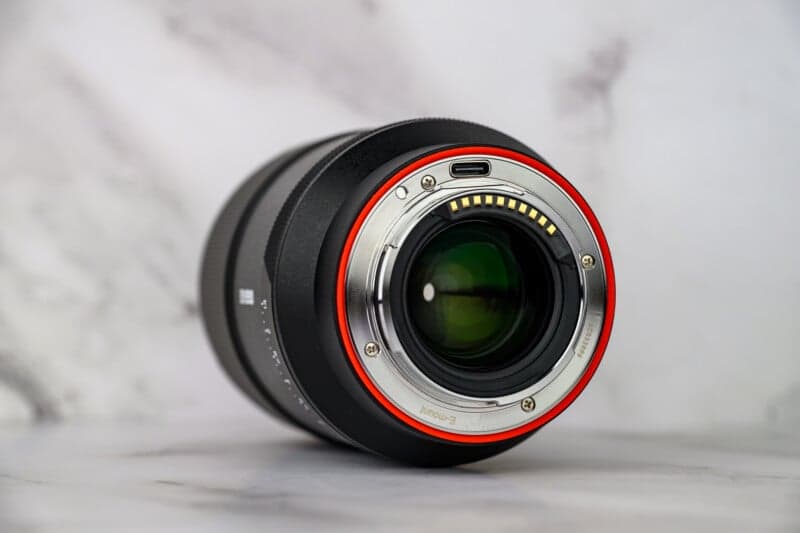
Peak Design Seeks Photographer Feedback to Shape Its Upcoming L-Bracket Design
Peak Design is crowdsourcing its L-bracket design before specs are locked, giving photographers a direct line to influence battery-door access, Arca-Swiss tolerances, and port clearance.
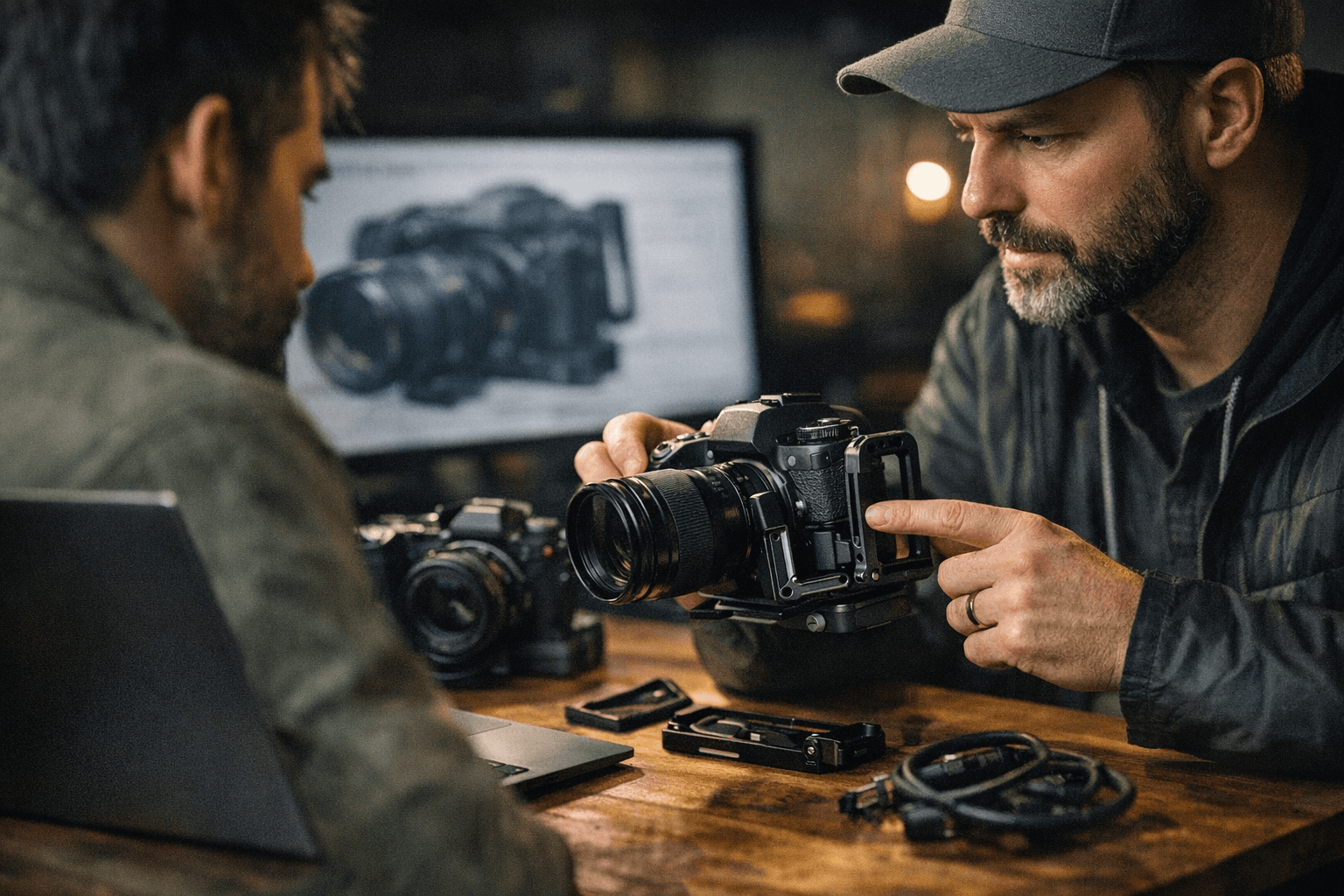
The gap between a $69 SmallRig L-bracket and a $250 plate from Really Right Stuff is not just a price difference; it is a philosophy gap that Peak Design is now asking photographers to help navigate. The San Francisco company, which Peter Dering launched in 2010 with a Kickstarter campaign for the Capture Camera Clip, posted a public survey soliciting detailed workflow input before committing to final specifications for an upcoming L-bracket.
DPReview published coverage of Peak Design's outreach on April 10, 2026. The survey asks pointed questions about preferred screw patterns, Arca-Swiss compatibility, integrated cable routing, and quick-release engagement mechanics. "Given that the product is still in the works, details are relatively scarce, but that's where your answers come in," DPReview summarized Peak Design's call to its user base.
L-brackets serve a specific and irreplaceable role for landscape, portrait, and architectural photographers. Bolted to the base and side of a camera body, they allow rotation between horizontal and portrait orientation on a ball head without losing the camera's center of gravity over the tripod pivot or scrambling to recompose. The mechanical precision required to do this reliably is where the category fractures: cheap brackets introduce rotational play under heavy glass, block battery doors, obstruct USB-C and tether ports, and sit unevenly on Arca-Swiss clamps.
Those are precisely the pain points worth detailing in the survey. If you shoot with a battery grip, say so explicitly; a bracket designed for a bare body will block the vertical shutter release and extend past the grip's base. Specify your current plate ecosystem, whether that's Peak Design's own Capture system, standard Arca-Swiss, or a brand-proprietary rail. Describe how often portrait orientation is a primary shooting mode rather than an occasional one, since that distinction directly affects vertical arm length and clearance requirements around grip controls.
Anti-twist security is the issue that most sharply separates model-specific brackets from generic plates, and it deserves explicit attention in the response. Really Right Stuff and Kirk Enterprises both machine anti-rotation features into their plates to prevent axial camera rotation under telephoto loads. If you have experienced a camera drifting on a ball head clamp mid-composition, include the context: lens weight, tripod head model, and whether the slip occurred in portrait or landscape position.
Weight is the hardest trade-off to convey in survey language. A bracket machined from aircraft-grade aluminum adds torsional stiffness but also grams; a lighter alloy cuts both. If you shoot handheld most of the time and reach for a tripod only for long exposures, specify that a gram-conscious design outweighs bulletproof rigidity. Studio and architectural photographers should argue the opposite.
Peak Design's history of building product launches directly from community input, beginning with that original Capture Clip, suggests it treats survey data as genuine design constraint rather than marketing copy. Its L-bracket will need to earn space on Arca-Swiss clamps already occupied by Really Right Stuff plates that command a premium for a precise reason: tight dovetail tolerances, repeatable fit, and machined anti-twist geometry. Matching that standard while integrating cleanly with Peak Design's strap and bag ecosystem is effectively the design brief photographers now have the chance to write. Submit feedback through Peak Design's official channels; the company indicated it will publish follow-ups as decisions are refined.
This article was produced by Prism’s automated news system from verified source data, official records, and press releases, then run through automated quality and moderation checks before publishing. The system is built and supervised by the people who set the standards it runs under. Read our full AI policy.
Did this article answer your question?