Photography Life spotlights Prime Day camera deals from Nikon, Canon, Sony
Prime Day body discounts were real, but the smarter buys were often cards, storage, and a few accessory steals. Photography Life flagged Nikon, Canon, Sony and more before the sale window closed.
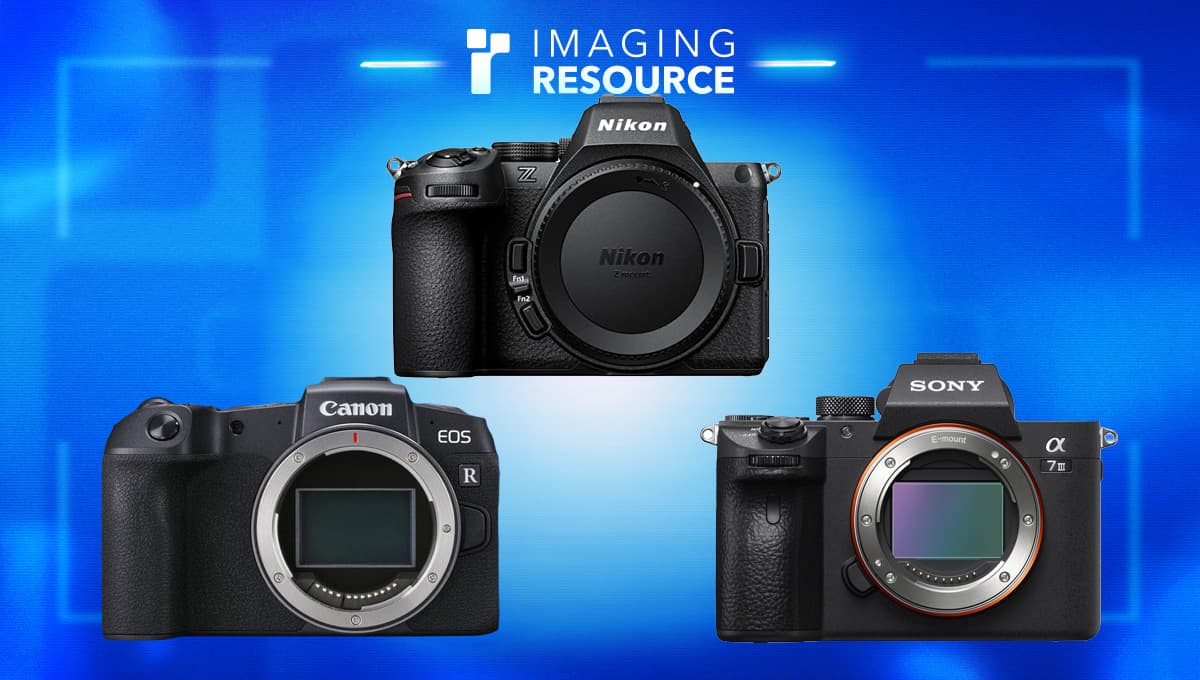
The useful part of Prime Day was never the flood of storefront noise; it was the handful of camera prices that actually changed what you could afford to shoot with next. Photography Life zeroed in on Nikon, Canon, Sony, Fujifilm, Panasonic, and OM System bodies that dropped enough to matter, while B&H Photo Video ran competing sales so you were not forced to accept Amazon’s price as the only reference point.
What Prime Day actually was
Amazon ran Prime Day 2026 as a four-day summer event from June 23 through June 26, ending at 11:59 p.m. PDT on June 26. The sale was limited to Prime members and stretched across more than 35 categories with millions of deals, so camera gear had to compete for attention with everything from home goods to headphones.
Amazon also pushed AI shopping tools during the event, including Alexa for Shopping, which could build a personalized deals guide and set deal alerts. That matters because it changes how you browse: the company was not just offering discounts, it was actively steering shoppers toward its own recommendations and reminders.
The event also ran outside the United States. Amazon said Prime Day 2026 was live in Canada, the United Kingdom, Germany, France, Italy, Spain, and Japan as well, which turned it into a broader shopping moment rather than a strictly domestic sale.
The bodies that moved the needle
The most useful camera discounts were the ones that moved a body from “maybe someday” to “actually within reach.” Nikon’s prices did that across a few clear tiers:
- Nikon Z5 at $900
- Nikon Z5 II at $1,600
- Nikon Z6 II at $1,400
- Nikon Z7 II at $1,900
That spread tells you exactly where Nikon was trying to pull buyers. The Z5 at $900 is the kind of number that gets full-frame into the conversation without a refurb hunt, while the Z6 II and Z7 II were aimed at shooters who already knew they wanted more speed or resolution.
Canon’s lineup followed the same pattern, but with a clearer split between entry full-frame, APS-C reach, and high-end ambition:
- Canon EOS R8 at $1,300
- Canon EOS R7 at $1,450
- Canon EOS R5 Mark II at $3,900
The R8 is the price that matters if you have been waiting to get into Canon full-frame mirrorless without blowing past a sensible budget. The R7 is the practical choice if you want crop-sensor reach for wildlife, sports, or travel. The R5 Mark II is not impulse-buy territory, but a $3,900 sale price is still the sort of discount that gets attention from shooters who were already planning a serious upgrade.
Sony’s standout was simpler and easier to parse: the a7 III was listed at $1,600 with a kit lens. That bundle matters because the body price alone is only half the story. A kit lens turns the deal into something you can actually shoot with immediately, instead of another body sitting on the shelf while you decide which lens to buy next.
Fujifilm, Panasonic, and OM System also had meaningful body offers on the board:
- Fujifilm X-S20 at $1,400
- Fujifilm X-T50 at $1,500
- Panasonic S5 II X at $1,800
- Panasonic S1R II at $3,000
- OM System OM-1 Mark II at $2,000
Those prices are the kind of cuts that matter if you already know your system. The X-S20 and X-T50 sit in the range where portability and color science are part of the appeal, while the Panasonic and OM System bodies appeal to shooters who care about stabilization, hybrid use, or keeping a kit relatively compact.
Where the smarter money usually goes
DPReview’s broader Prime Day coverage pointed out the part of the sale that experienced buyers already know: the more compelling discounts are often hiding in memory cards and storage, not cameras. That is the practical warning label on the whole event. If a body deal is merely good, cards and storage can still be the better purchase because they solve an immediate, unglamorous problem you will feel on every shoot.
DPReview also warned that Prime Day prices can change without warning in the middle of the sale. That is exactly why body shopping on a big event like this should be a threshold decision, not a mood decision. If the Nikon Z5 at $900 or Canon EOS R8 at $1,300 gets you into a better mount right now, fine. If not, there is nothing wrong with using the same budget on cards, SSDs, or a bigger memory-card stack and waiting for a cleaner body deal later in the year.
The accessory deals that actually help your kit
Photography Life did not stop at bodies. The roundup also pointed to promotions from Viltrox, WANDRD, Lume Cube, SmallRig, GoPro, and NiSi, which is exactly where a lot of real-world value lives during Prime Day. A good body price is nice; a discounted accessory often fixes the annoyance you keep running into every weekend.
That mix covers the parts of shooting that photographers actually notice in the field:
- Viltrox for lenses and mount-specific value
- WANDRD for bags and carry
- Lume Cube for lighting
- SmallRig for rigs, cages, and support gear
- GoPro for action and second-angle use
- NiSi for filters and optical accessories
Those are not glamorous buys, but they are the items that make a kit easier to carry, faster to deploy, or more useful in bad light. If you already own the camera you want, accessory discounts can be the most rational spend of the sale.
How to treat Amazon’s own deal tools
Amazon’s Alexa for Shopping tools were meant to streamline discovery, with personalized deal guides and alerts built into the sale experience. That is convenient, but it is also a reminder to stay skeptical. The platform is designed to keep you in its ecosystem, so the best defense is still cross-checking the same body at B&H Photo Video before committing.
That comparison matters because Prime Day is not just about a single sticker price. It is about whether a Nikon Z5, Canon EOS R8, Sony a7 III kit, or one of the other bodies in the roundup actually changes your shooting options enough to justify buying now. When the discount crosses that line, buy it. When it does not, the smarter Prime Day move is often a card, a drive, or a filter that you will use every time the camera comes out of the bag.
This article was produced by Prism’s automated news system from verified source data, official records, and press releases, then run through automated quality and moderation checks before publishing. The system is built and supervised by the people who set the standards it runs under. Read our full AI policy.
Did this article answer your question?